Why the Best Bali Homes Blur the Line Between Inside and Out
By Des Res Bali
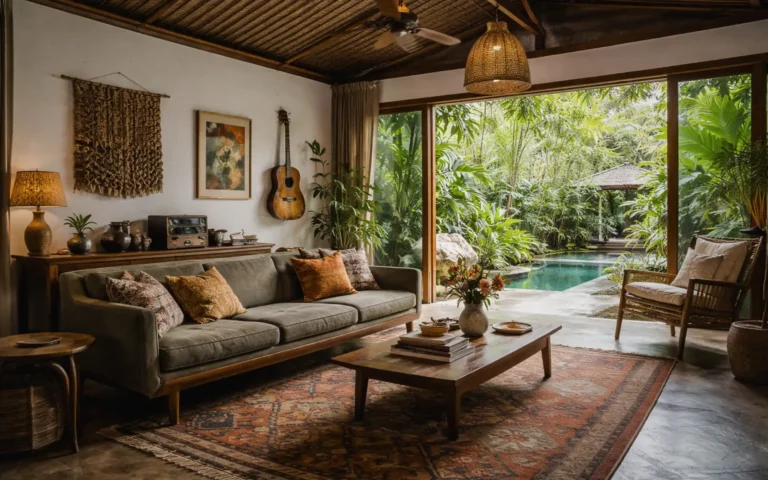
One of the things Bali does particularly well is make the boundary between indoors and outdoors feel almost irrelevant.
Not everywhere, obviously. Air conditioning, mosquitoes and tropical downpours have a way of reminding you that walls exist for a reason. But in many of the island’s best homes, architecture works with the climate rather than trying to seal it out completely.
And that changes how a house feels.
It starts with the climate
In colder climates, the building envelope is usually a fairly definitive line: inside is controlled; outside is not.
Tropical architecture has always had more room to play.
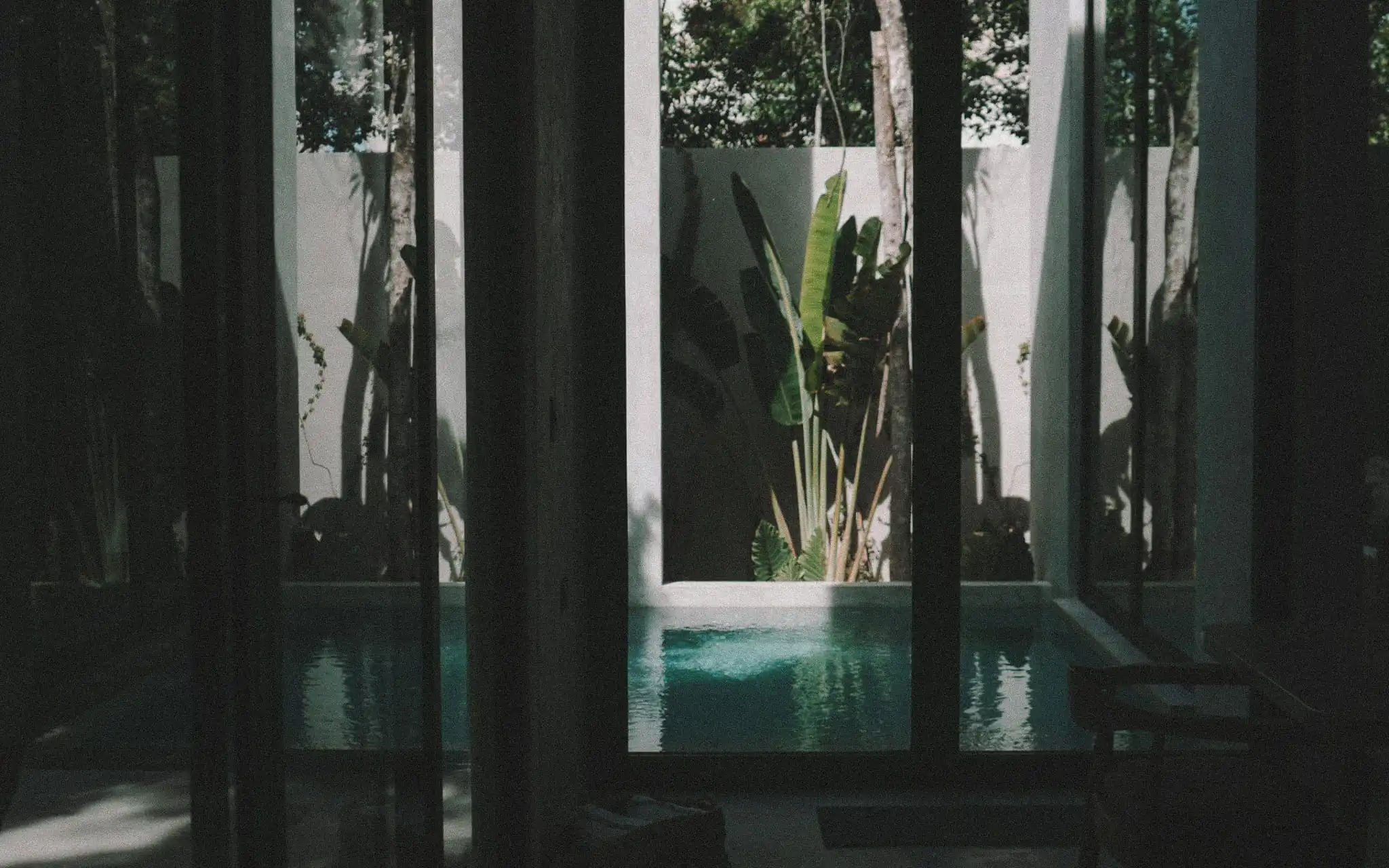
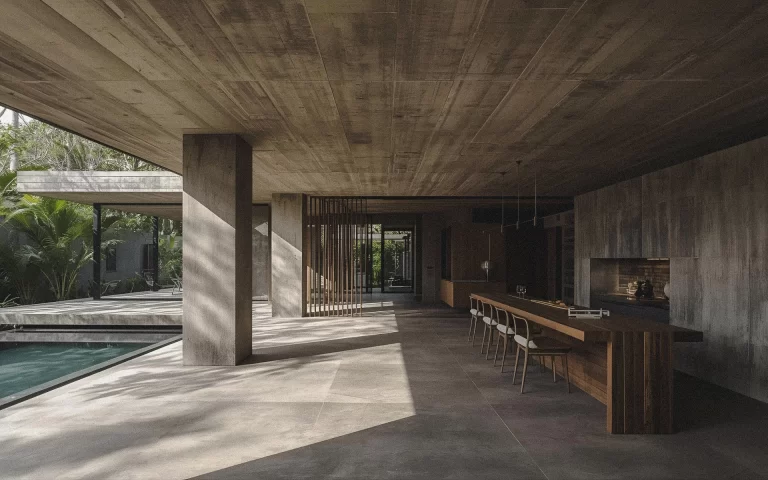
Deep overhangs can create protected outdoor rooms. Courtyards bring light and ventilation into the centre of a house. Sliding doors disappear into walls. Covered terraces become living rooms for much of the year.
The result isn’t simply an “indoor-outdoor lifestyle.” It’s a house with more layers.
The garden becomes part of the architecture
A well-placed garden does more than provide something nice to look at.
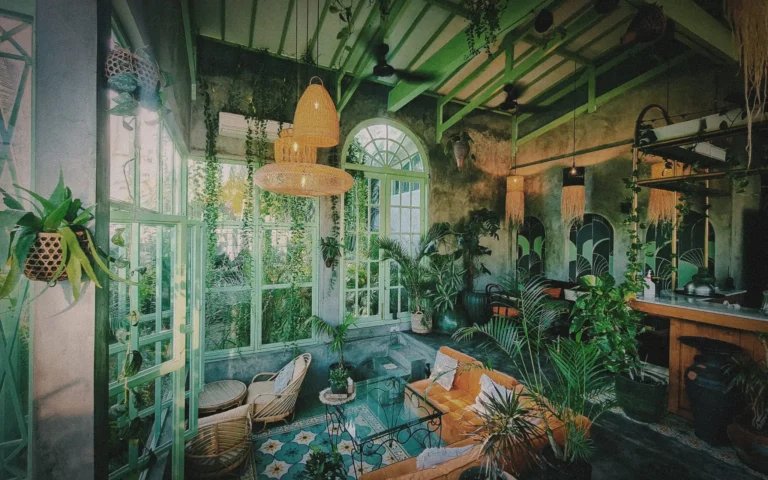
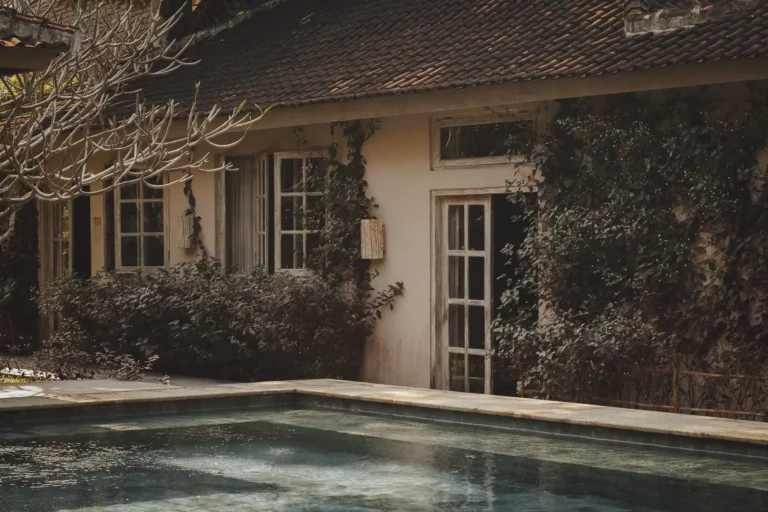
Planting can create privacy between rooms, soften hard architectural lines and make relatively compact spaces feel considerably larger. A bathroom opening onto a small courtyard can feel more generous than one twice its size with four enclosed walls.
The same principle applies to bedrooms, kitchens and living areas. When the eye continues beyond the physical edge of the room, the space tends to feel bigger.
That doesn’t require an enormous villa or an enormous budget. Sometimes it requires surprisingly little land.
It just requires the land to be considered as part of the house.
Covered space matters
This is also why some of Bali’s most comfortable homes devote so much attention to the spaces that are technically neither fully inside nor fully outside.
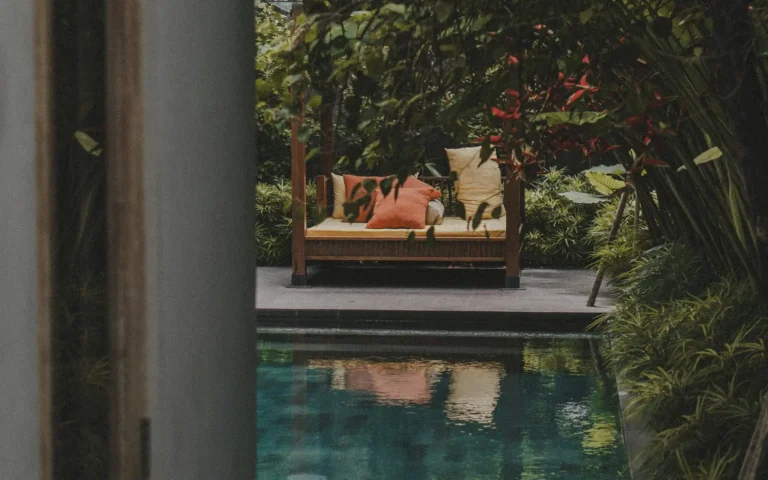
They provide protection from intense sun and heavy rain while still allowing air to move through the building. Done well, they also become some of the most-used spaces in the house.
In a tropical climate, that in-between territory isn’t leftover space.
It’s often the good bit.
It’s not about being completely open
Of course, open-air living isn’t automatically good tropical design.
Bali is hot. It rains. Bugs exist. Privacy matters. And sometimes you absolutely want to shut a door and turn on the air conditioning.
The best homes tend to offer both: protected, enclosed rooms when you want them and an easy relationship with the landscape when you don’t.
That flexibility is perhaps the real luxury.
Not simply bringing the outdoors in, but designing the house so that, much of the time, you barely notice where one ends and the other starts.