Designing Indoor–Outdoor Living in Bali (What Actually Works)
By Des Res Bali
Open-plan living has become one of Bali’s defining design signatures. But creating a home that genuinely blurs the line between indoors and out takes more than opening a few oversized doors and hoping for the best.
There’s a reason so many people fall in love with indoor-outdoor living in Bali.
When it works, it really works.
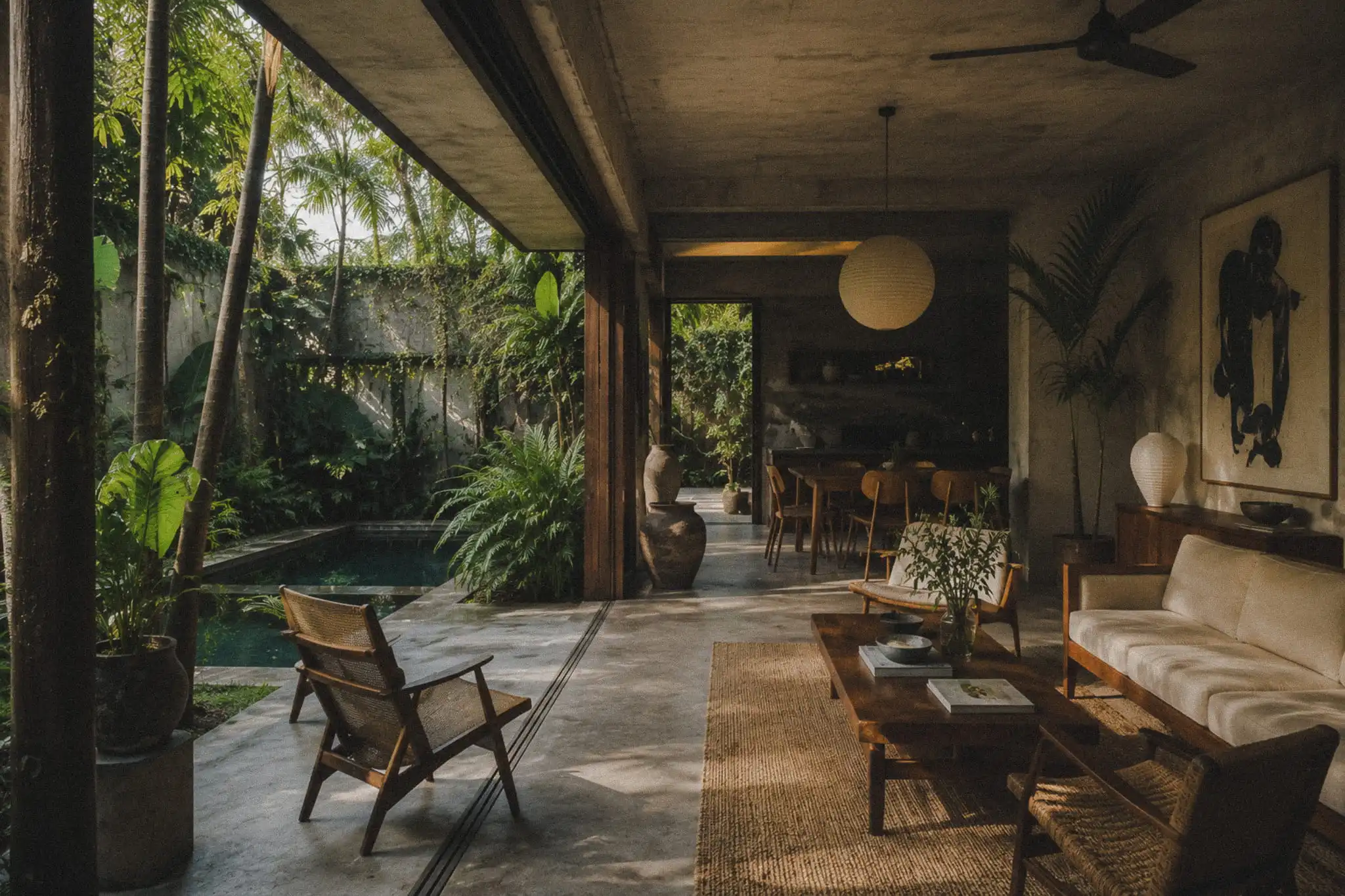
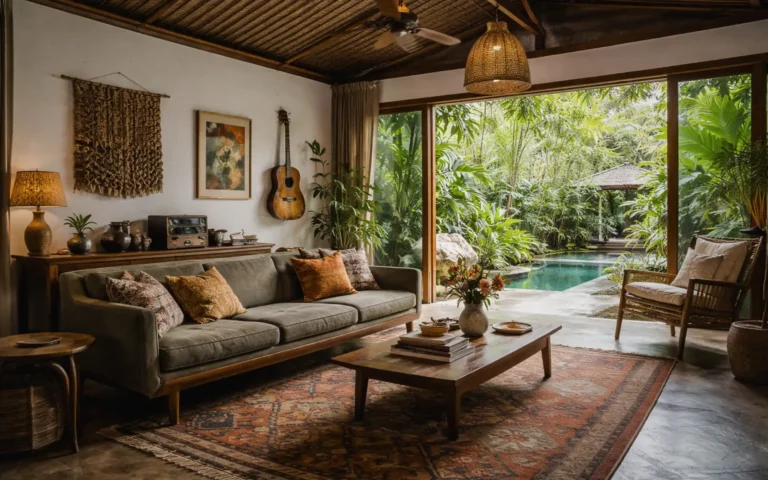
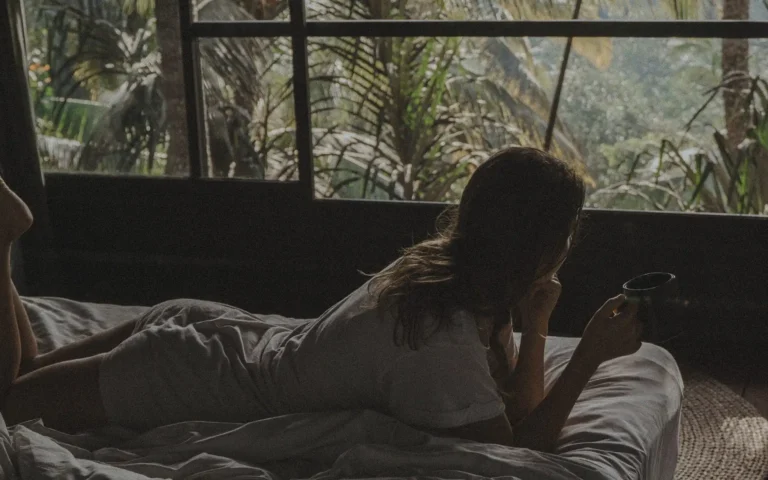
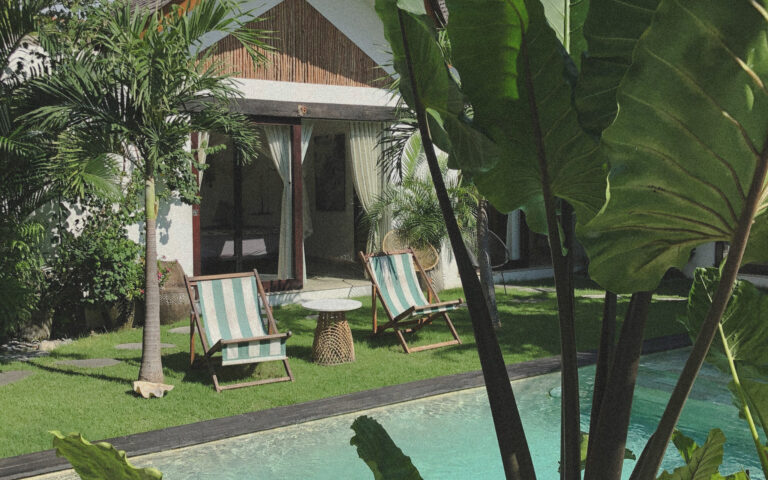
Morning coffee with a soft breeze drifting through the house. Bare feet wandering from polished concrete onto cool grass. The garden feels like another room instead of something you admire through a pane of glass.
It isn’t just the architecture that creates that feeling, either. The materials beneath your feet play a surprisingly big role in creating that feeling, too. If you’re weighing up finishes, our guide to choosing flooring in Bali explores which materials actually work in a tropical climate.
It’s easy to see why so many people try to recreate that feeling.
The funny thing is, the homes that pull it off best usually aren’t trying very hard.
One of the biggest misconceptions about tropical architecture is that indoor-outdoor living simply means opening everything up. Bigger doors. Fewer walls. More glass.
Not necessarily.
Some of Bali’s most liveable homes aren’t the most open. They’re the ones that understand the climate they’re built in.
In many ways, that’s the thread running through the best tropical architecture. It’s less about making bold design statements and more about making everyday life feel effortless.
The thing with indoor-outdoor living is this:
It’s less about removing walls and more about creating better transitions.
Spend enough time wandering around thoughtfully designed homes in Bali and you’ll start to notice something.
The really memorable ones don’t throw you straight from the living room into the garden.
They slow you down.
A covered terrace becomes an outdoor lounge.
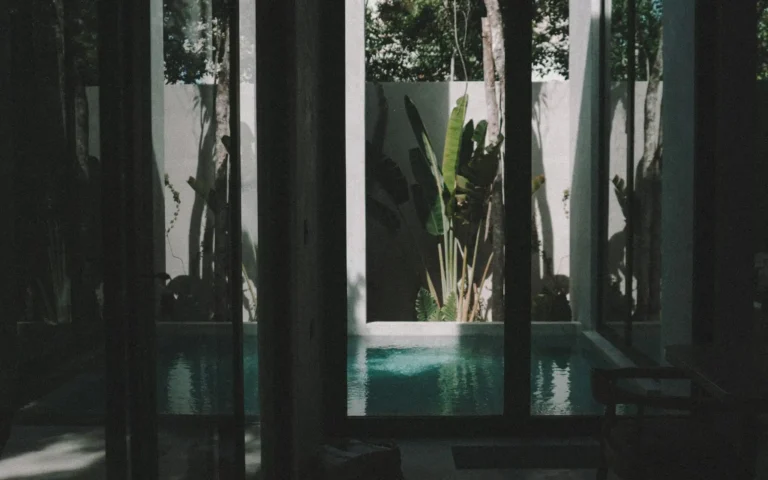
A courtyard quietly draws natural light deeper into the home.
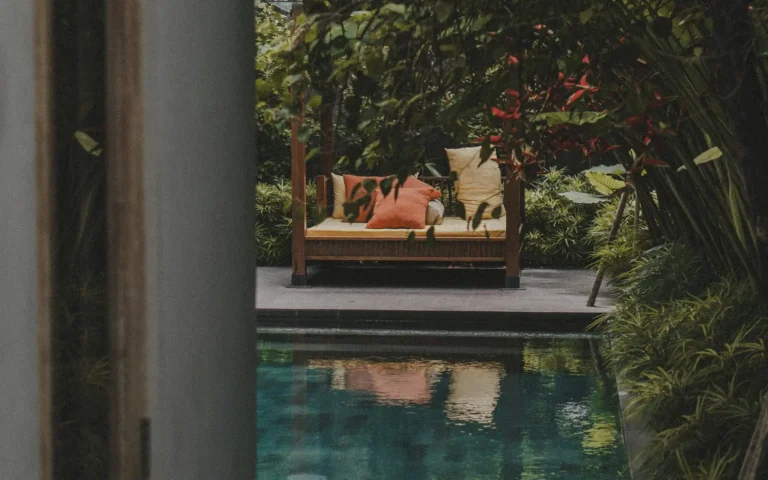
A pathway through tropical planting gives you a moment to pause before stepping inside.
Even something as simple as a change in ceiling height can make a house feel calmer without you quite knowing why.
People often assume that if one sliding door is good, an entire disappearing wall of glass must be even better.
Not always.
The thing that really keeps a tropical home comfortable isn’t simply bigger openings—it’s air movement.
Cross ventilation, shade and orientation all work together, often making a far bigger difference than people expect. It’s something we’ve explored in more depth in our guide to passive cooling principles here.
Sometimes two carefully positioned windows will do a better job than an entire wall of glass that has nowhere for the air to go.
Good tropical architecture isn’t trying to let everything in.
It’s quietly encouraging the right things to move through the house.
These ideas apply just as much to renovations as they do to new builds. If you’re updating an older home, we’ve also written about how to renovate a Bali villa without losing its soul—because some of the island’s most memorable homes aren’t the newest ones.