When Tropical Brutalism Ages Well (and When It Really Doesn’t)
By Des Res Bali
There was a moment — not that long ago — when exposed concrete in Bali felt radical.
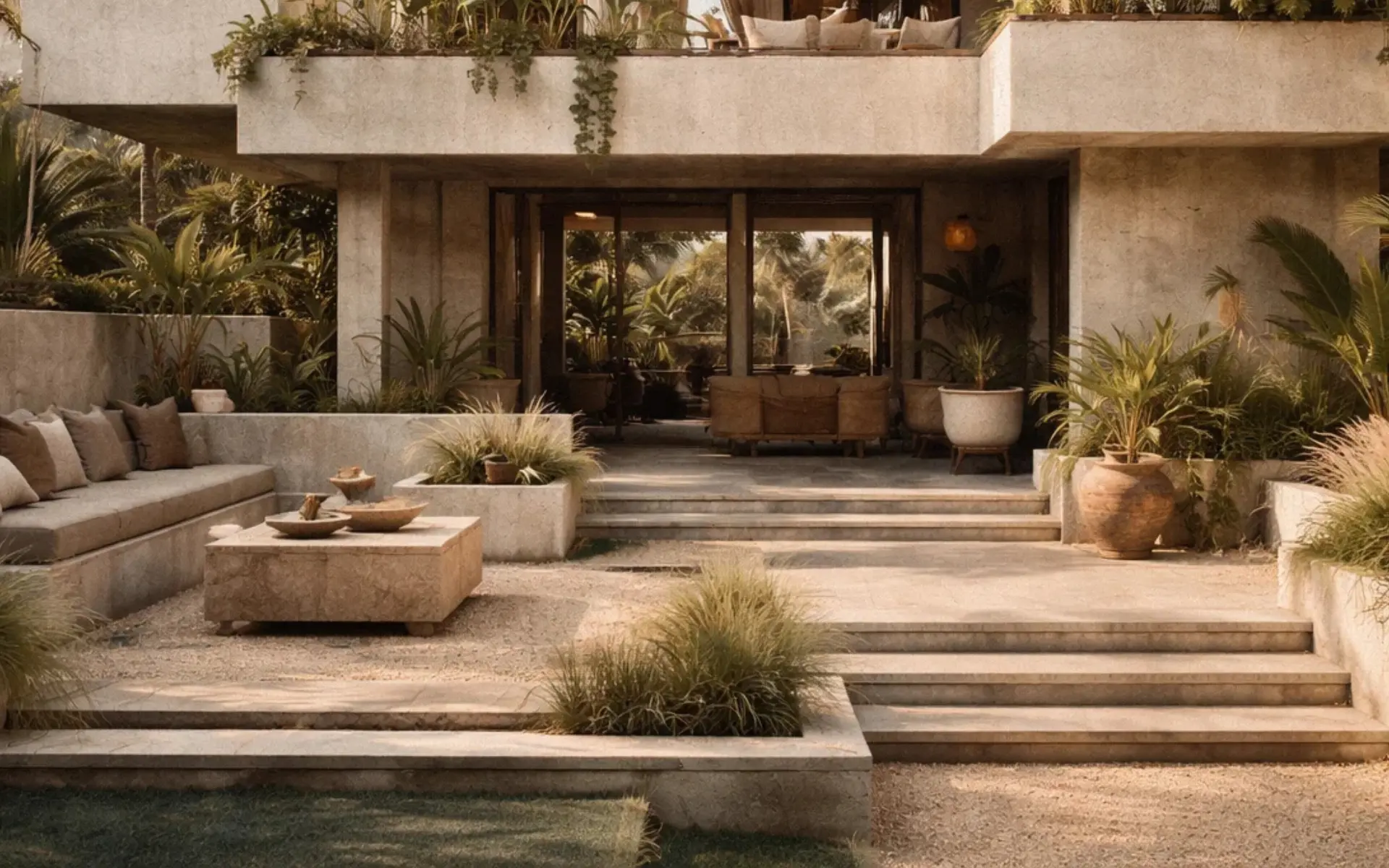
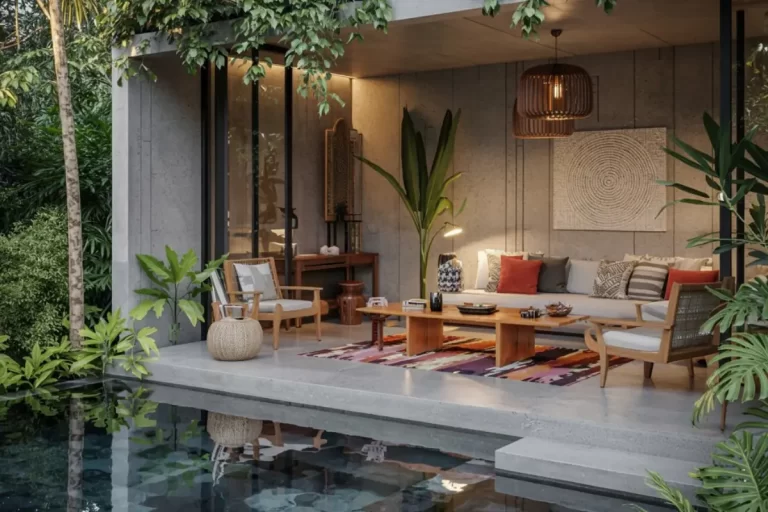
Raw walls. Hard edges. Big planes of grey softened by palms, pools, and a bit of jungle creeping back in. Tropical brutalism arrived as a kind of architectural rebellion: anti-villa-villa, anti-thatched-roof pastiche, anti-everything-Instagram had already exhausted.
And for a while? It worked. Really well.
But Bali, like concrete itself, has a way of revealing cracks over time.
Now that tropical brutalism has moved beyond the honeymoon phase, a quieter, more interesting question is emerging: which of these homes are aging with grace — and which are already feeling tired?
Because brutalism, tropical or otherwise, was never meant to be cosmetic. It was meant to be honest.
And honesty shows.
When Tropical Brutalism Gets It Right
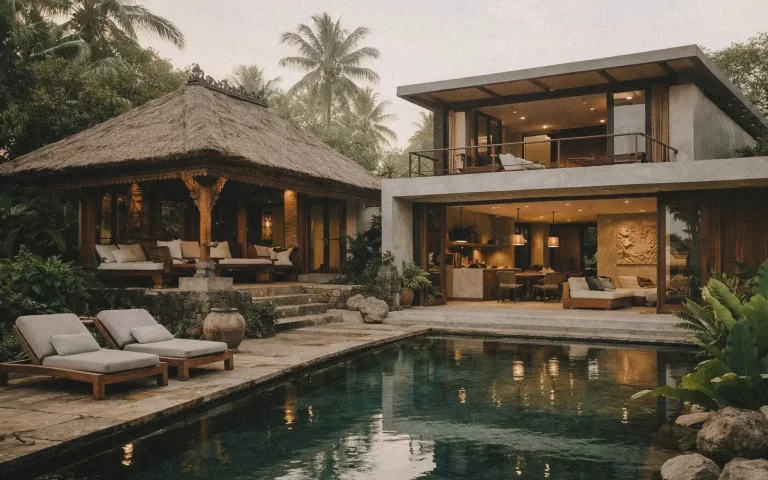
The best tropical brutalist homes in Bali don’t shout. They settle.
They understand that concrete isn’t the point — restraint is.
These are the houses that:
sit low instead of towering
prioritize shade over spectacle
let plants soften edges naturally, not decoratively
design for airflow first, drama second
They’re often tucked away in villages or older neighborhoods, not perched precariously on the last remaining cliff edge. They work with the climate instead of arm-wrestling it into submission with air-con.
And crucially, they age well because they were never trying to be trendy.
Concrete darkens. Moss appears. Rain leaves marks. In the right build, that patina isn’t a flaw — it’s the whole point.
When It Starts to Fall Apart (Quietly)
Then there’s the other version.
The kind that looks incredible in year one… and slightly exhausted by year three.
This is tropical brutalism as aesthetic, not architecture:
materials imported without thinking about maintenance, humidity, or mold
In Bali, you don’t get to fake functionality for long. The climate always wins.
And when a “brutalist” home starts relying on constant cooling, aggressive chemical treatments, or endless cosmetic fixes to stay sharp, the honesty that brutalism promises quietly collapses.
The Maturity Phase: Less Statement, More Sense
What’s exciting now is that tropical brutalism in Bali is evolving.
The strongest new projects — and renovations — aren’t trying to reinvent the wheel. They’re blending:
exposed concrete with limewash and timber
heavier forms with softer spatial planning
modern geometry with traditional orientation principles
You see it especially in renovations of:
older concrete structures
half-finished builds abandoned mid-dream
early “industrial” villas that were overbuilt but under-considered
These projects don’t demolish — they refine. They keep the bones, correct the mistakes, and let the house breathe again.
It’s tropical brutalism, but calmer. More confident. Less performative.
Why Renovation Is Where Brutalism Really Shines
Here’s the quiet truth: tropical brutalism works best when it’s not starting from zero.
Reworking an existing structure:
reduces material waste
avoids unnecessary land disturbance
allows concrete to be used where it actually makes sense — structure, not decoration
In Bali especially, renovation-led brutalism often feels more ethical, more contextual, and frankly more interesting than brand-new builds chasing a look.
A house with history — even a flawed one — gives brutalism something to respond to.
And that tension? That’s where the good design lives.
The Homes That Will Still Feel Good in Ten Years
The tropical brutalist homes that endure tend to share a few things in common:
They prioritize comfort over concept
They accept imperfection
They allow nature to intrude instead of resisting it
They’re designed for daily living, not just photos
They don’t ask concrete to be precious. They let it do its job — quietly.
Because in Bali, architecture doesn’t need to dominate the landscape to feel powerful.
Sometimes the most radical thing a house can do is age honestly.
In equatorial climates, architecture reveals its intentions quickly. Homes designed around airflow, drainage, and shade mature with grace. Those built for image alone tend to show strain. In Bali, time is the ultimate design critic.
FAQs
1. What is tropical brutalism in Bali?
Tropical brutalism in Bali combines exposed concrete architecture with climate-responsive design, prioritizing airflow, shade, and integration with nature.
2. Is tropical brutalism suitable for Bali’s climate?
Yes — when designed correctly. Poor ventilation, drainage, and material choices can cause issues, but well-executed brutalist homes perform beautifully in the tropics.
3. Do concrete homes in Bali age well?
They can. Homes designed with proper detailing, drainage, and maintenance often develop a natural patina that enhances character rather than detracts from it.
4. Is renovation better than building new for brutalist homes?
Often, yes. Renovating existing concrete structures reduces waste, preserves land, and allows tropical brutalism to be applied more thoughtfully.
5. Why do some tropical brutalist villas fail?
Failures usually come from prioritizing aesthetics over performance — ignoring airflow, climate, and long-term maintenance needs.