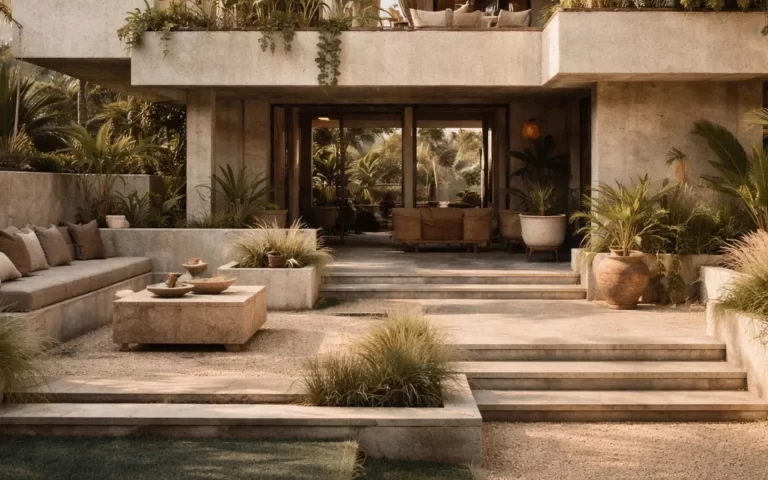
Tropical Brutalism in Bali: Why It Works (and When It Doesn’t)
Editor's note — 2025 Update:
First published in August 2025, this piece remains one of our most-read deep dives into Bali’s architectural landscape. We’ve refreshed it with new context and updated examples. We’ve also published a brand-new follow-up — Tropical Brutalism Revisited 2026: From Raw to Refined— exploring where the movement is heading next.
Brutalism is here, and it's not going unnoticed.
In Bali — where architecture traditionally leans toward the ornate, the organic, and the spiritual — the sudden rise of monolithic concrete villas has sparked everything from quiet admiration to loud criticism.
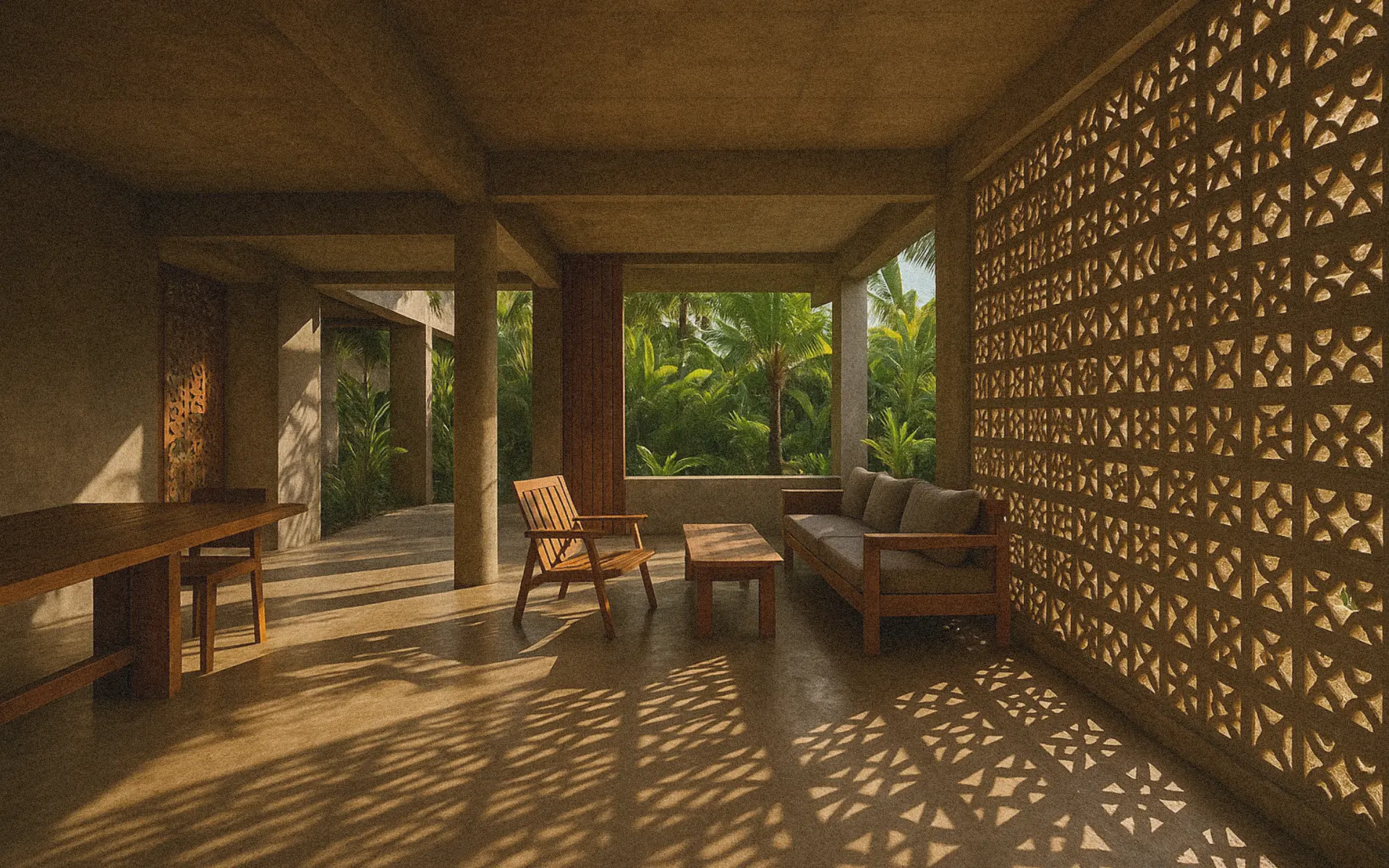
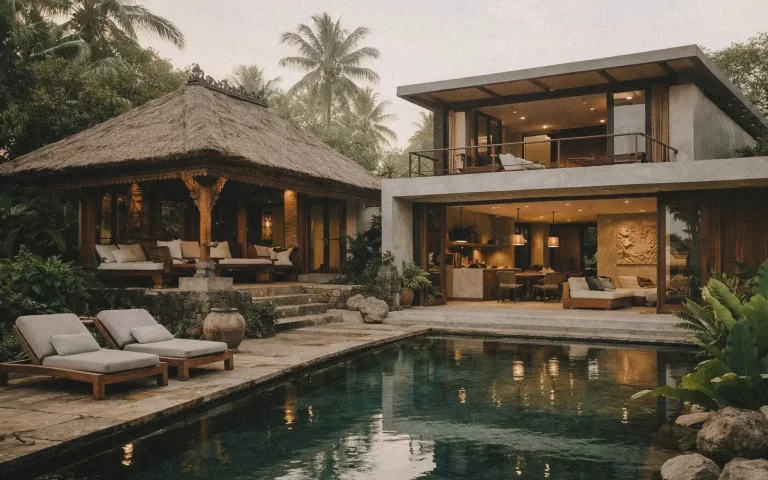
Rooted in post-war European modernism, Brutalism was originally about functionality, raw materials, and architectural honesty. In Bali, that ethos gets a tropical twist: open-air corridors, lush gardens spilling over from stark lines, and cool concrete interiors that feel like minimalist temples.
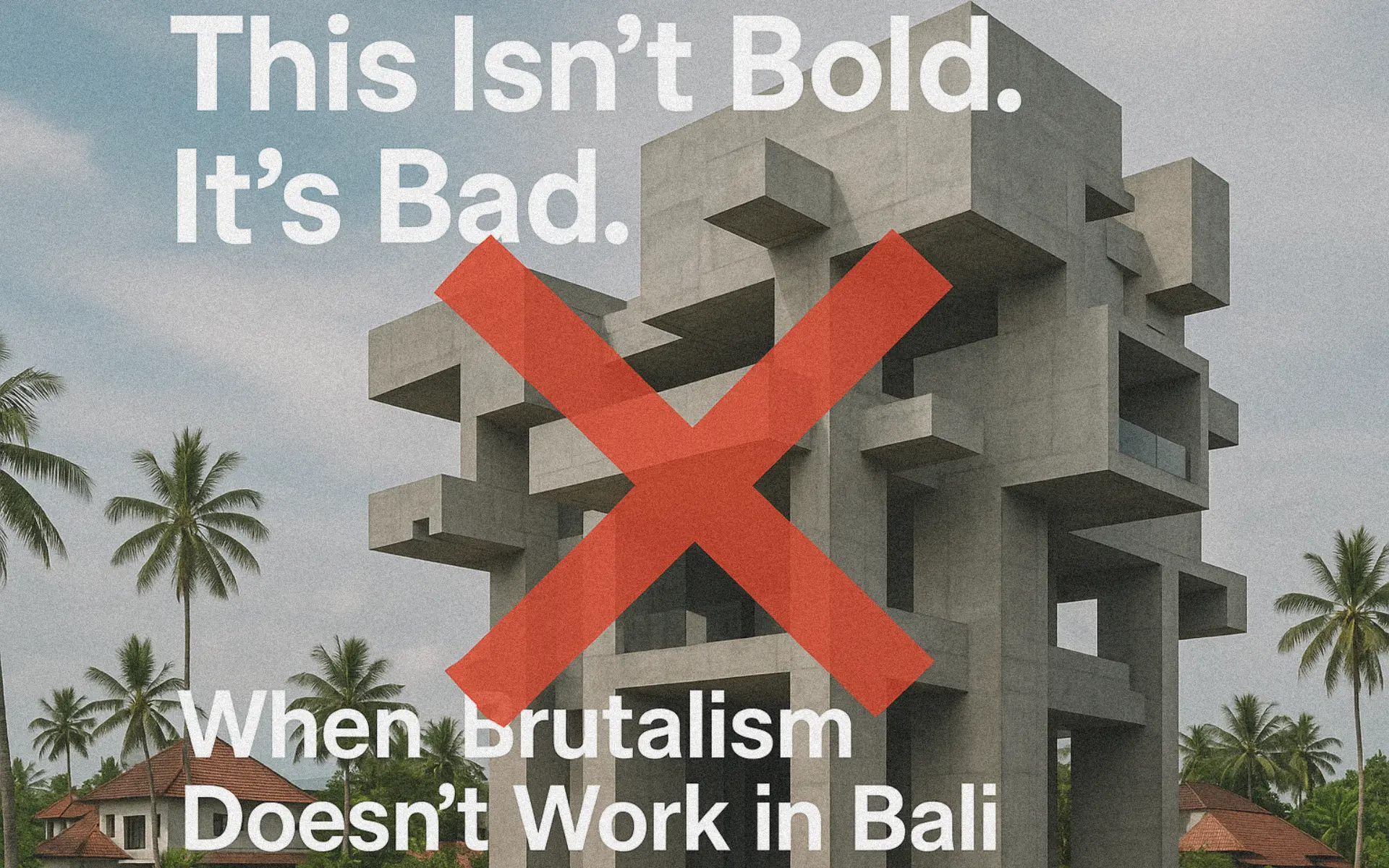
Done well, Tropical Brutalism is timeless. Done poorly, it’s a bunker with palm trees.
Here’s what works — and what doesn’t — when you take Brutalism to the jungle.
What Makes Tropical Brutalism Work in Bali?
1. Climate Compatibility: Concrete as a Cooling Strategy
Concrete is naturally cooling, making it a smart material choice in Bali’s equatorial heat. Thick walls absorb heat during the day and release it slowly at night, stabilizing interior temperatures.
When it works:
Proper ventilation (clerestory windows, open voids, breezeways)
Passive cooling is prioritized over full-time AC
Concrete is used to temper heat, not trap it
Why it matters:
In a humid climate, Brutalism can be more than aesthetic — it can be ecological.
2. Nature vs. Concrete: The Power of Contrast
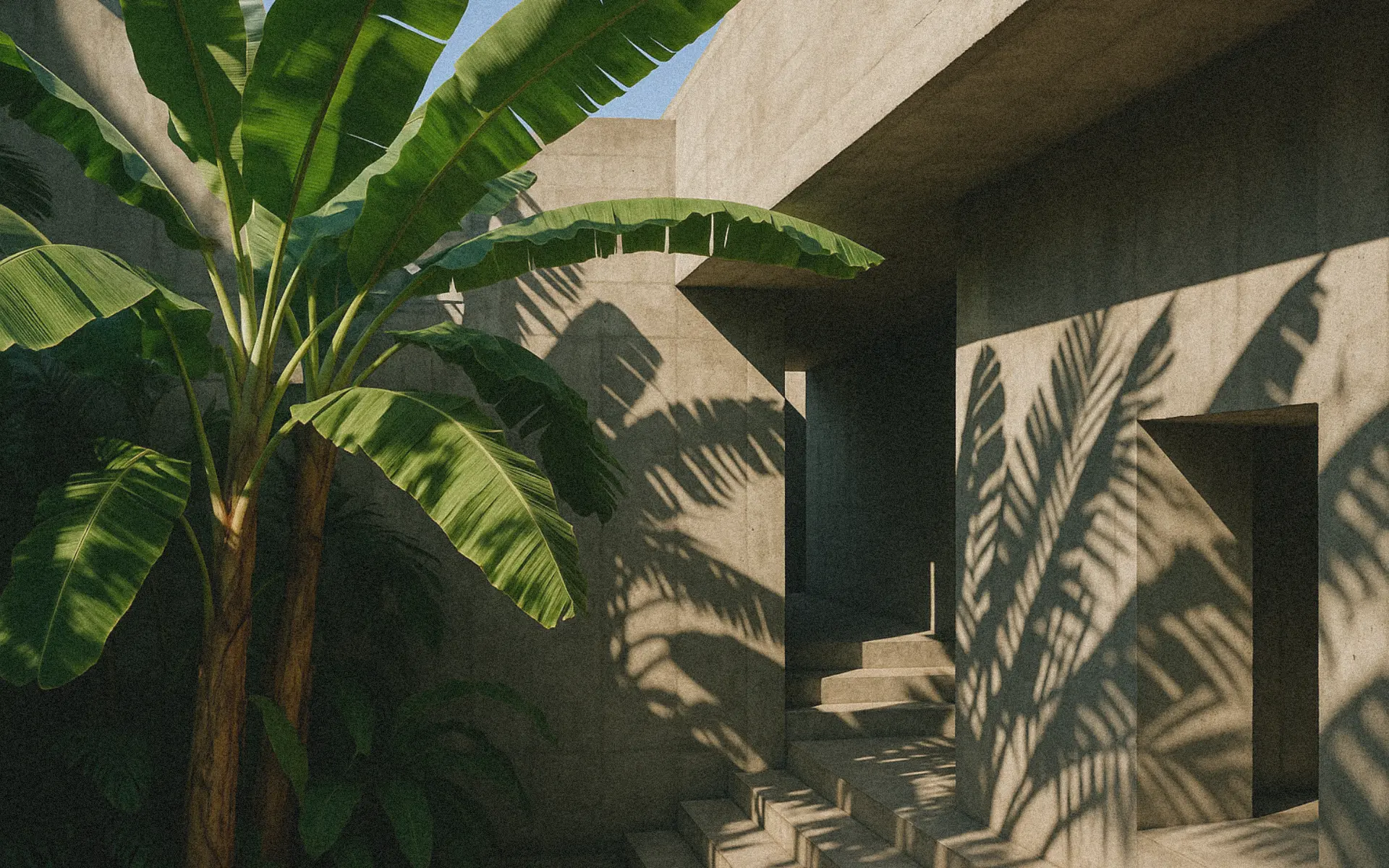
Few things are more satisfying than the tension between hard concrete and wild tropical growth. It’s the contrast that makes the style come alive.
When it works:
Landscape design is integrated from the start
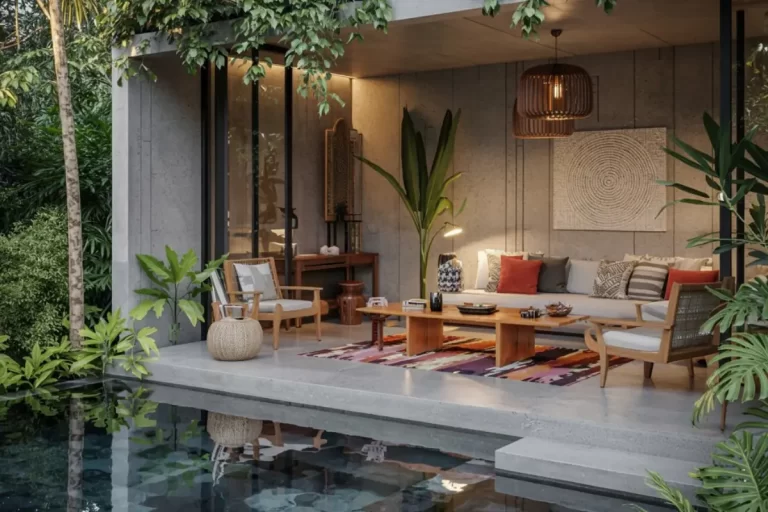
Organic textures (wood, stone, rattan, linen) soften the rigidity
Nature is framed, not flattened
Why it matters:
Without this balance, tropical Brutalism can feel sterile. With it, it feels intentional.
3. Restraint and Precision: Letting the Architecture Speak
Brutalism is at its best when every choice is deliberate.
When it works:
The architecture leads; décor is minimal but meaningful
Material palette is simple and refined
Form follows function — with moments of quiet poetry
Why it matters:
In Bali, where architectural trends swing between ornate tradition and rapid modernity, precise Brutalism offers something rare: clarity.
When Tropical Brutalism Doesn’t Work
1. When It’s Just Aesthetic, Not Structural
Some builds mimic the brutalist look without respecting the principles behind it. Faux-concrete finishes. Unnecessary massing. Designs that are better suited to colder climates or urban settings.
The result:
Heavy-feeling structures that don’t breathe, don’t age well, and feel disconnected from the landscape.
2. When It Ignores Local Context
Brutalism, by nature, is assertive. In Bali, that assertiveness can feel jarring when a villa looms over a temple wall or ignores the lines of the land.
What goes wrong:
No relationship to the village around it
No dialogue with the terrain or views
A sense of imposition, rather than invitation
This isn’t just a design issue — it’s a cultural one.
3. When Interiors are Overdone (Concrete Overload)
Raw concrete walls, polished concrete floors, concrete counters, and a concrete tub? It’s easy to overdo it. What starts as minimal quickly becomes monotonous.
The fix:
Break it up with wood, textiles, art, and warm lighting
Use concrete as a grounding material — not the whole vocabulary
Let certain rooms breathe in other directions
Even the most die-hard minimalist needs somewhere soft to land.
The Future: Tropical Brutalism 2.0 (2025 and Beyond)
A more refined version of the trend is emerging across Bali:
Board-form concrete with visible grain
Reclaimed wood softening mass
Integrated garden pockets in facades
Warmer palettes and indirect lighting
More sensitivity to context and culture
It’s still bold — but it’s gentler. Less bunker, more breathing room.
In Bali’s equatorial climate, climate-first design isn’t optional — it’s foundational. Cross-ventilation, deep overhangs, shaded transitions, and a genuine relationship with the landscape are what separate architecture that breathes from architecture that battles the elements.
Final Word
Brutalism in Bali can be breathtaking when it’s used with care, humility, and vision. But if you’re building for trend or effect — without grounding your decisions in climate, culture, and composition — it’s just concrete.
Bali deserves better. And honestly, so do you.
FAQs
What is Tropical Brutalism?
Tropical Brutalism is a design approach that blends classic brutalist architecture — raw concrete, strong geometry, and structural honesty — with tropical climate considerations like open airflow, landscaping, and natural light.
Why is Brutalism popular in Bali?
Concrete performs well in hot, humid climates, and the minimalist aesthetic appeals to modern villa design. The style also photographs beautifully — which contributes to its popularity on social media and in real estate marketing.
Is concrete sustainable in tropical climates?
Concrete can be sustainable when used thoughtfully: proper ventilation, passive cooling, reduced reliance on AC, and integrating natural elements. But overuse or poor design can lead to heat retention, moisture issues, and environmental impact.
What makes a tropical brutalist villa successful?
A successful build balances climate responsiveness, landscape integration, and restrained design. It considers airflow, shade, views, and cultural context — not just the concrete aesthetic.
What are the mistakes to avoid in tropical Brutalism?
Copying the look without understanding structure, using too much concrete indoors, ignoring the surrounding village or terrain, and failing to integrate greenery early in the design process.