Tropical Brutalism Revisited 2026 — From Raw to Refined
By Des Res Bali
The New Evolution of an Architectural Underdog
Brutalism is often misunderstood: too cold, too heavy, too stark. But in Southeast Asia — and especially in Bali — a new architectural wave is reimagining the movement for a tropical climate. Concrete is no longer merely raw or imposing. It’s sculptural, sensual, and softened by the landscape.
Heading into 2026, tropical brutalism isn’t just a style. It’s a climate response. A lifestyle. A way to build with permanence in a place that changes daily.
And its newest iteration is surprisingly refined.
What Exactly Is Tropical Brutalism? (And Why Now?)
At its core, tropical brutalism merges:
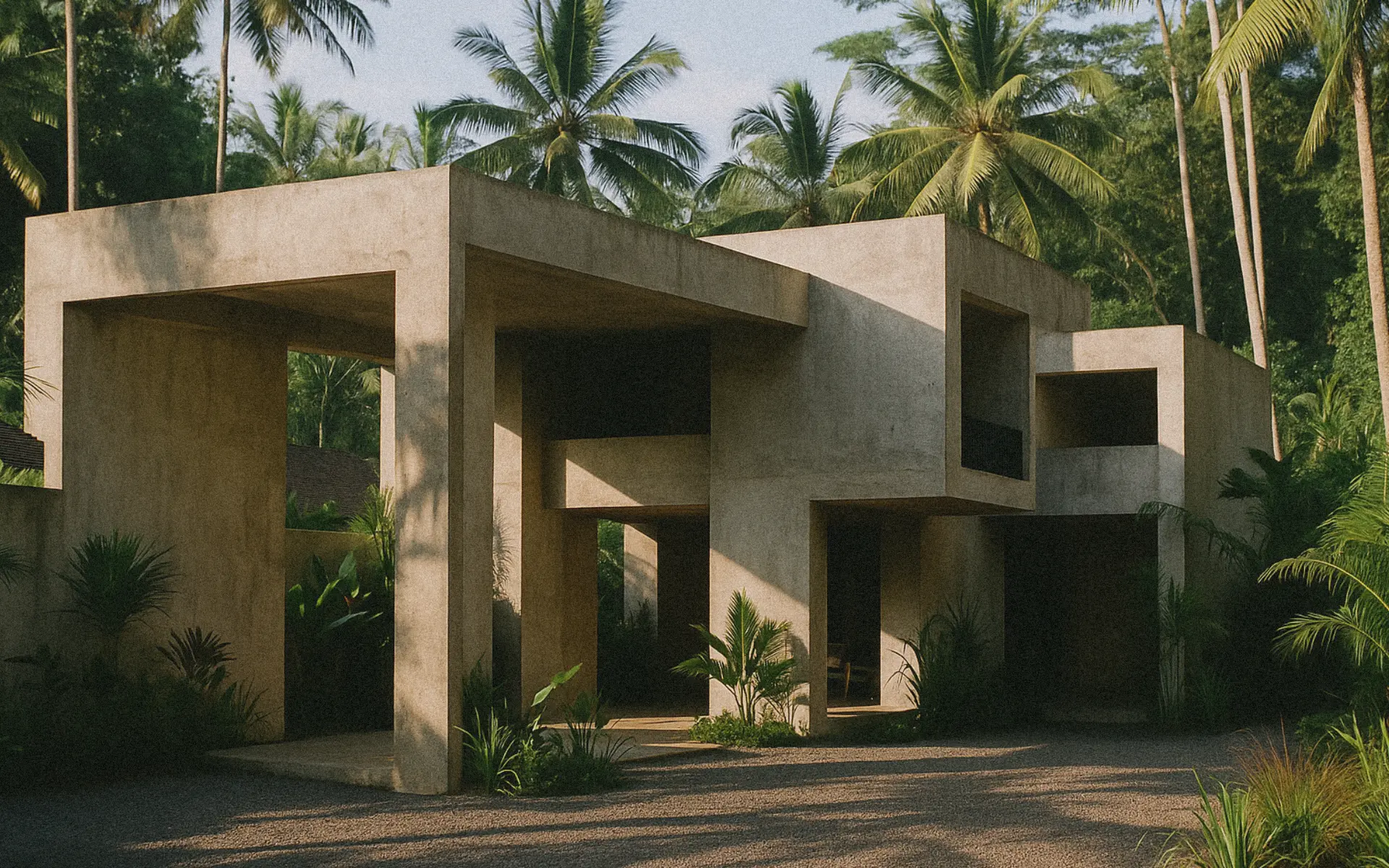
Raw materials Concrete, steel, exposed formwork.
Passive cooling principles Orientation, breeze corridors, deep overhangs.
Lush integration with nature Not decorative — structural.
It strips architecture back to its bones and then invites the tropics to do the rest.
But the 2025 shift has now evolved into something richer — and 2026 is where it truly takes shape. The movement has grown up. Concrete is still center stage, but now it’s paired with:
natural stone
warm timber tones
sculptural lighting
artisan-made finishes
indoor/outdoor fluidity that feels more gallery than bunker
The result?
A new architectural language that’s equal parts raw and refined — muscular but elegant.
THE 2025 EVOLUTION
1. From Raw Concrete to Smooth, Polished Minimalism
Early tropical brutalism loved its rough edges — literally.
But 2025 brings a softening:
polished-slab floors
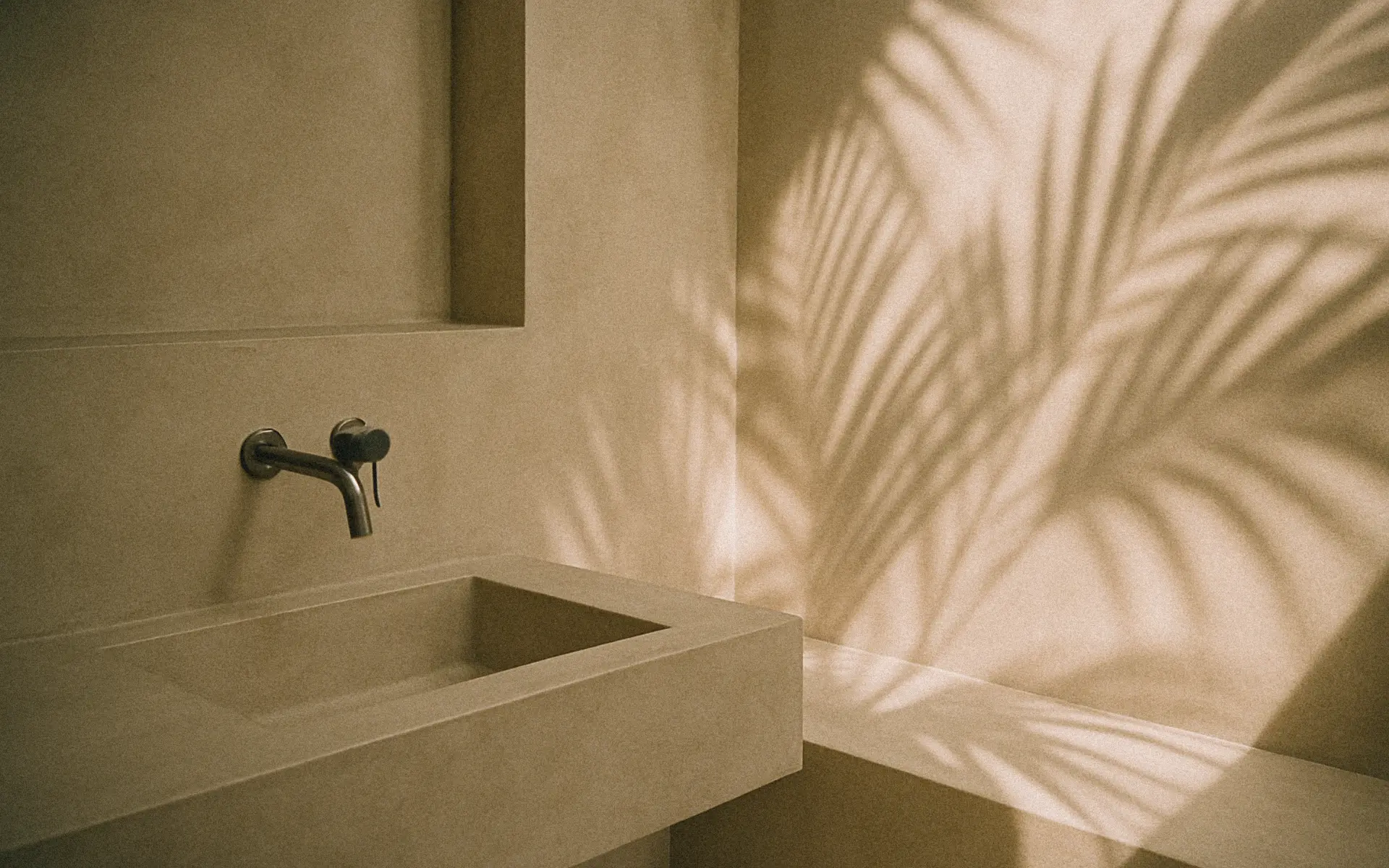
micro-cement bathrooms
matte-finish walls
seamless joints
curved volumes instead of sharp monoliths
Concrete now feels touchable.
Why this matters
It makes brutalism finally feel livable — a style people want to inhabit, not just admire.
For years, tropical brutalist homes relied on punched windows and small apertures.
Now the movement embraces:
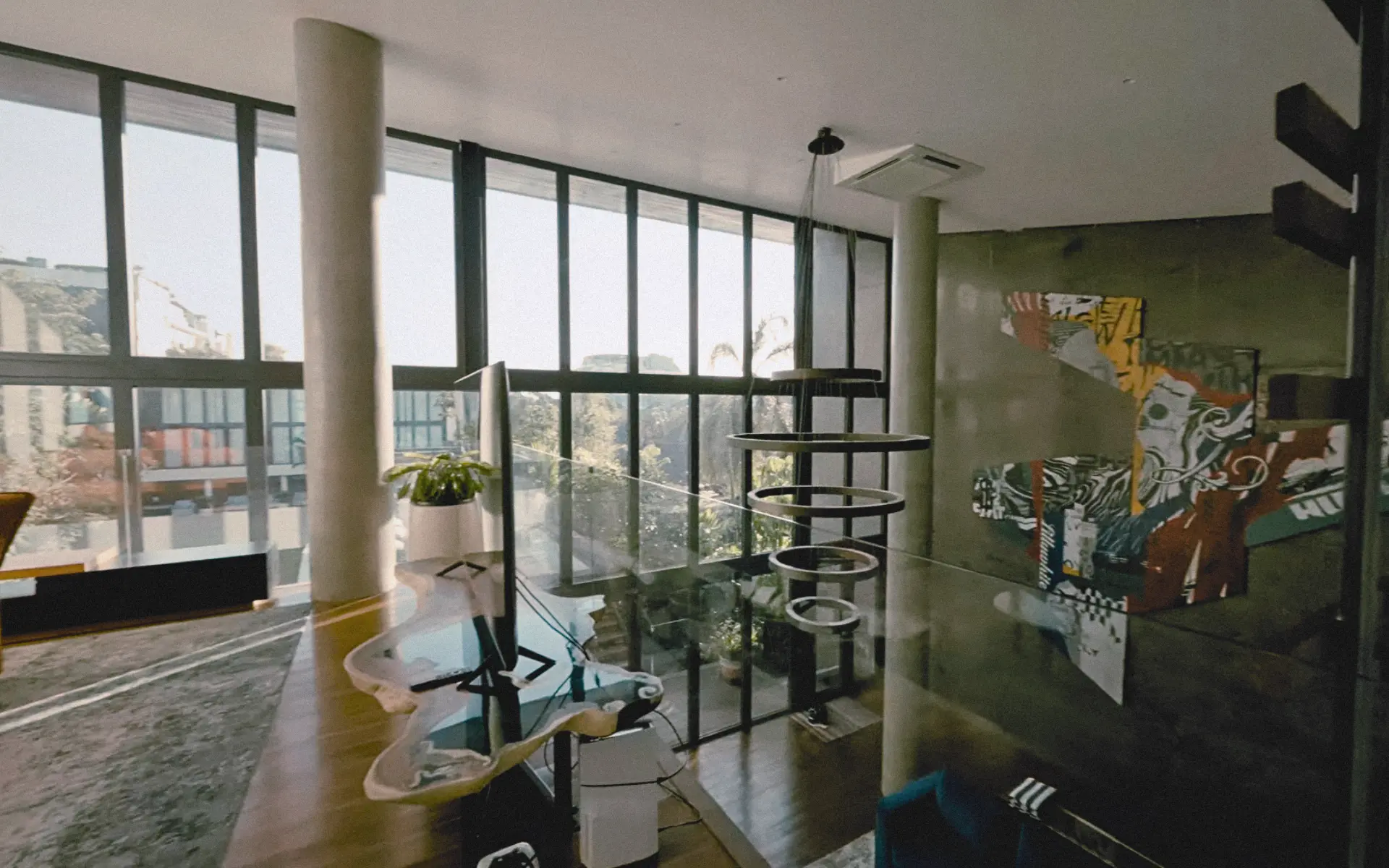
full-height sliders
extra-wide breezeways that function like lungs
clerestory glazing
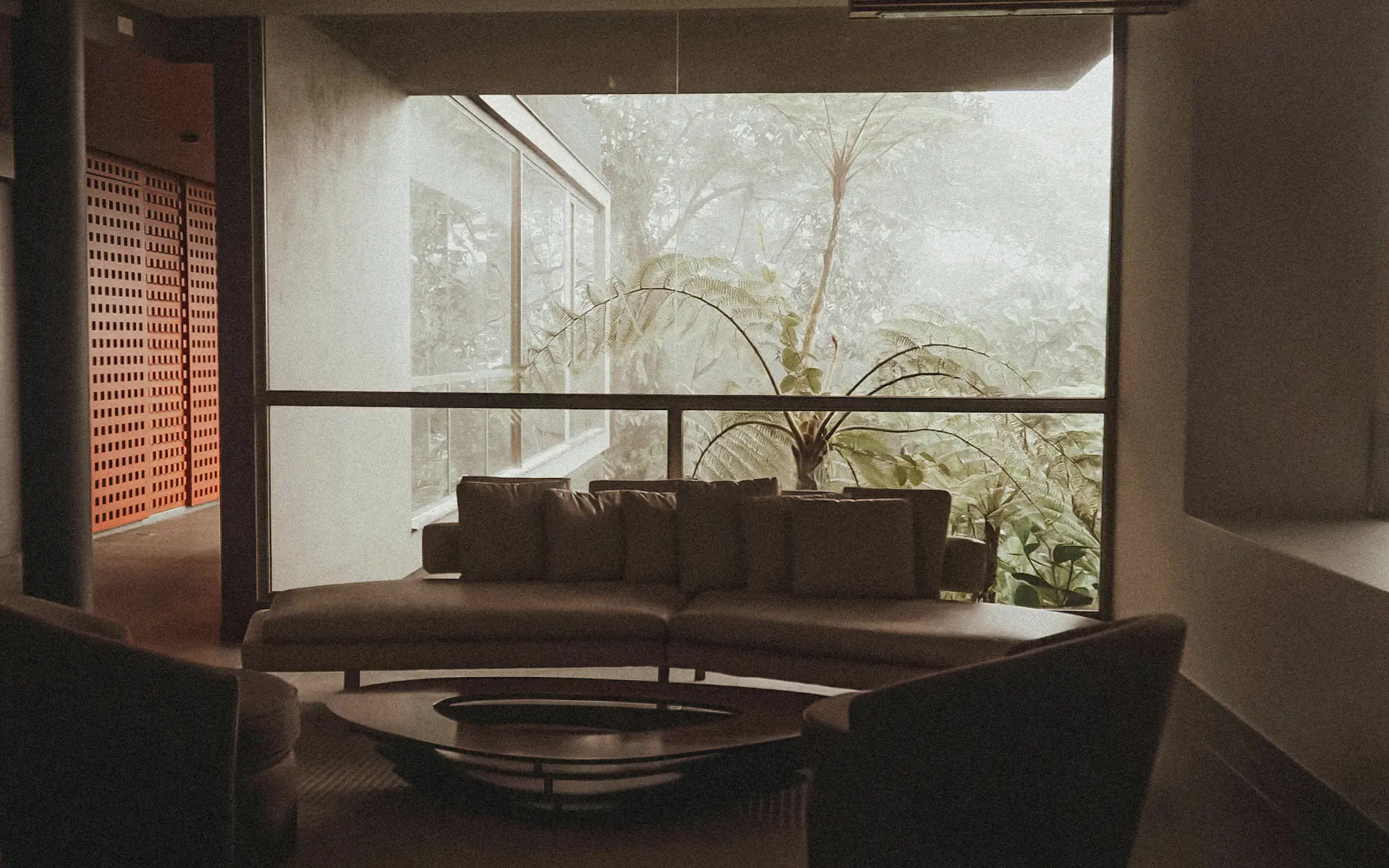
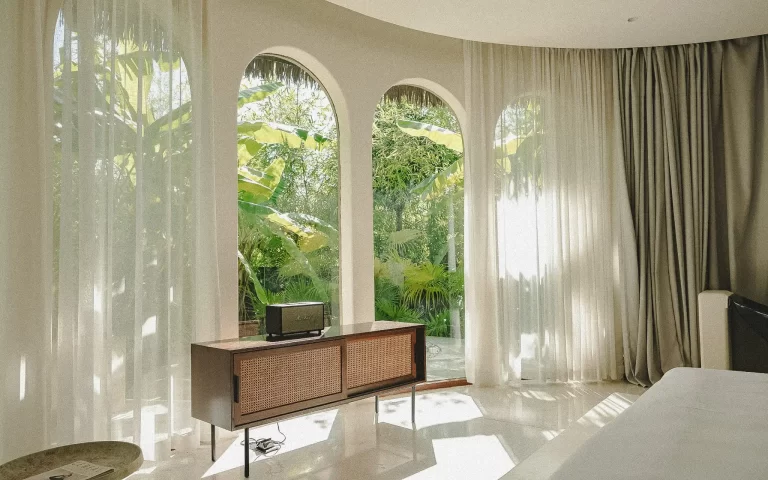
entire wallsthat open to the garden
The result: interiors that feel like outdoor pavilions carved from stone.
Passive Cooling > Aircon
Designers are doubling down on shade, cross-ventilation, and stack effect cooling — because Bali’s heat demands smarter architecture.
In equatorial climates, architecture reveals its intentions quickly. Homes designed around airflow, drainage, and shade mature with grace. Those built for image alone tend to show strain. In Bali, time is the ultimate design critic.
3. Integration With Landscape (More Than Just “A Garden”)
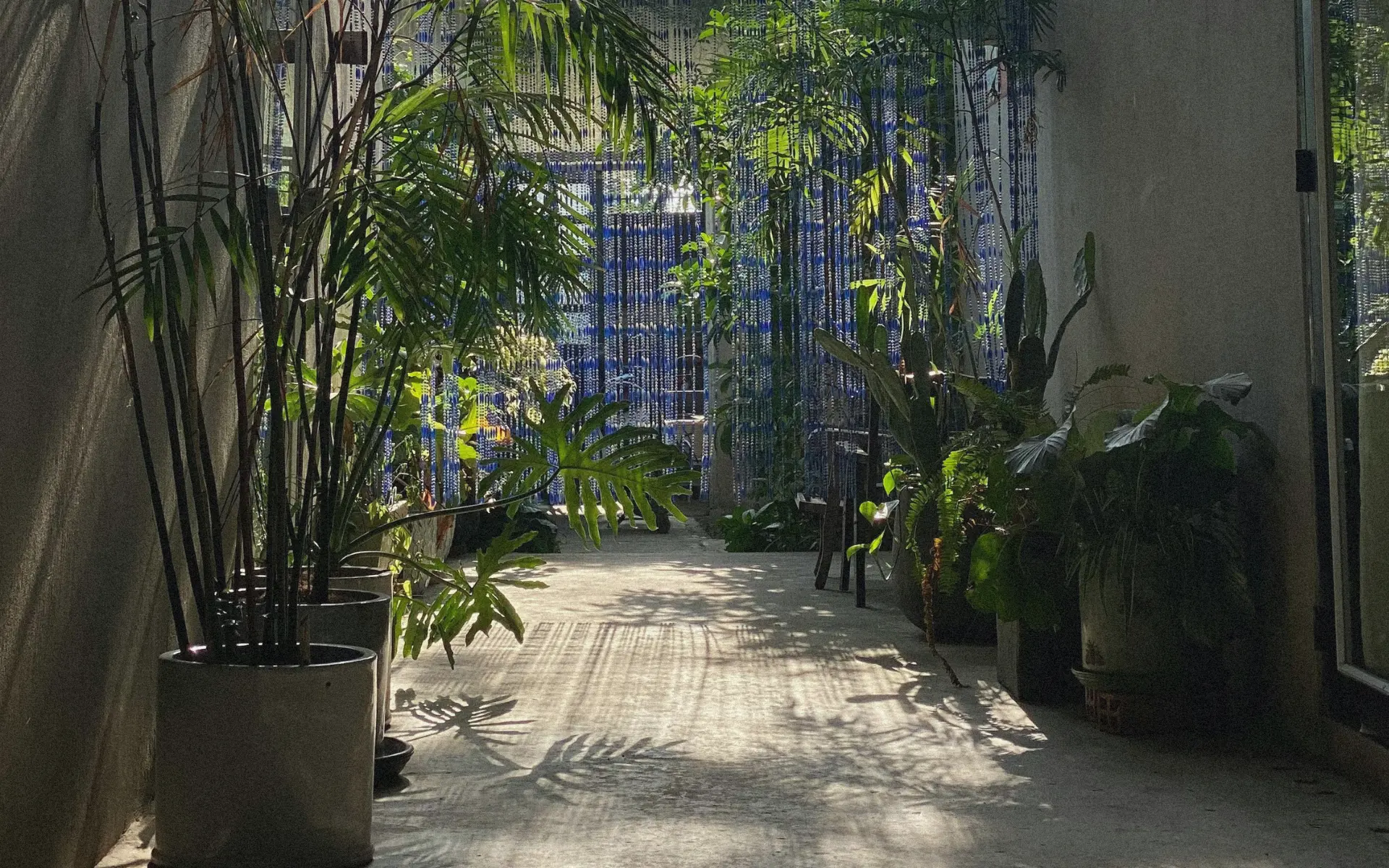
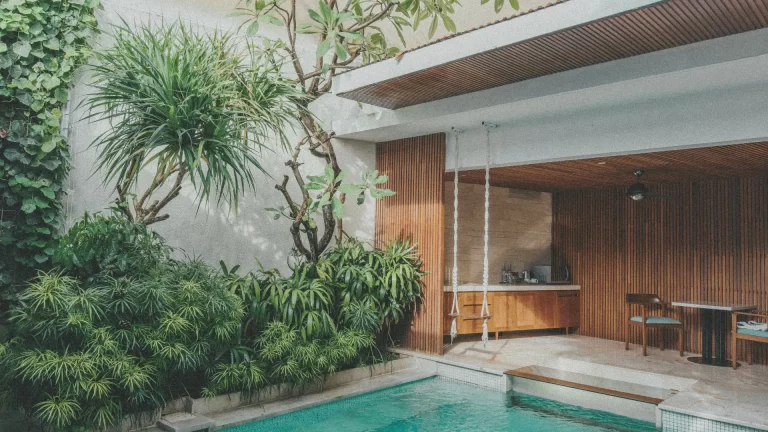
native plant corridors weaving into structural voids
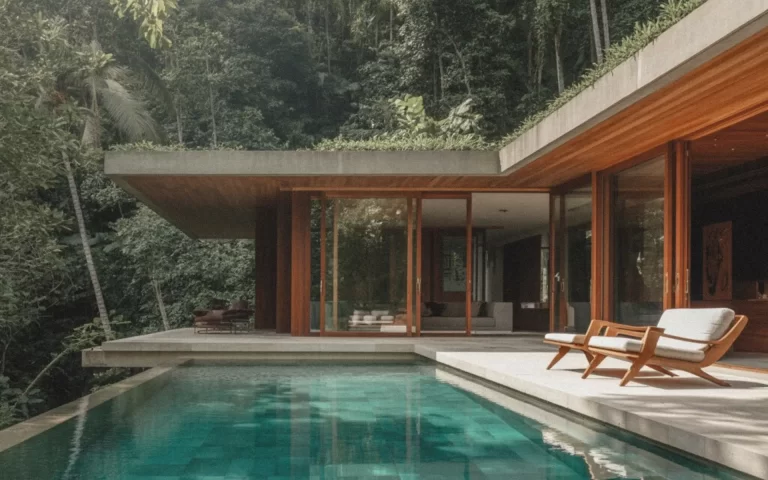
living roofs
courtyards carved into concrete slabs
ponds and pools cooling the air around circulation paths
This is soft brutalism — architecture that uses nature as a design material.
4. Sculptural Brutalism: Art + Architecture Merge
This new era is art-forward.
Brutalist spaces now serve as clean-walled galleries for:
contemporary Indonesian painters
sculptors working in volcanic stone
textile artists
large-format photography
installations integrated into walls and voids
Concrete becomes the frame. Art becomes the soul.
This is where interiors are heading — minimalist structure, maximalist storytelling.
5. The Rise of the Tropical Brutalist Villa
Bali, Sri Lanka, and parts of Thailand are leading the trend.
New builds are embracing:
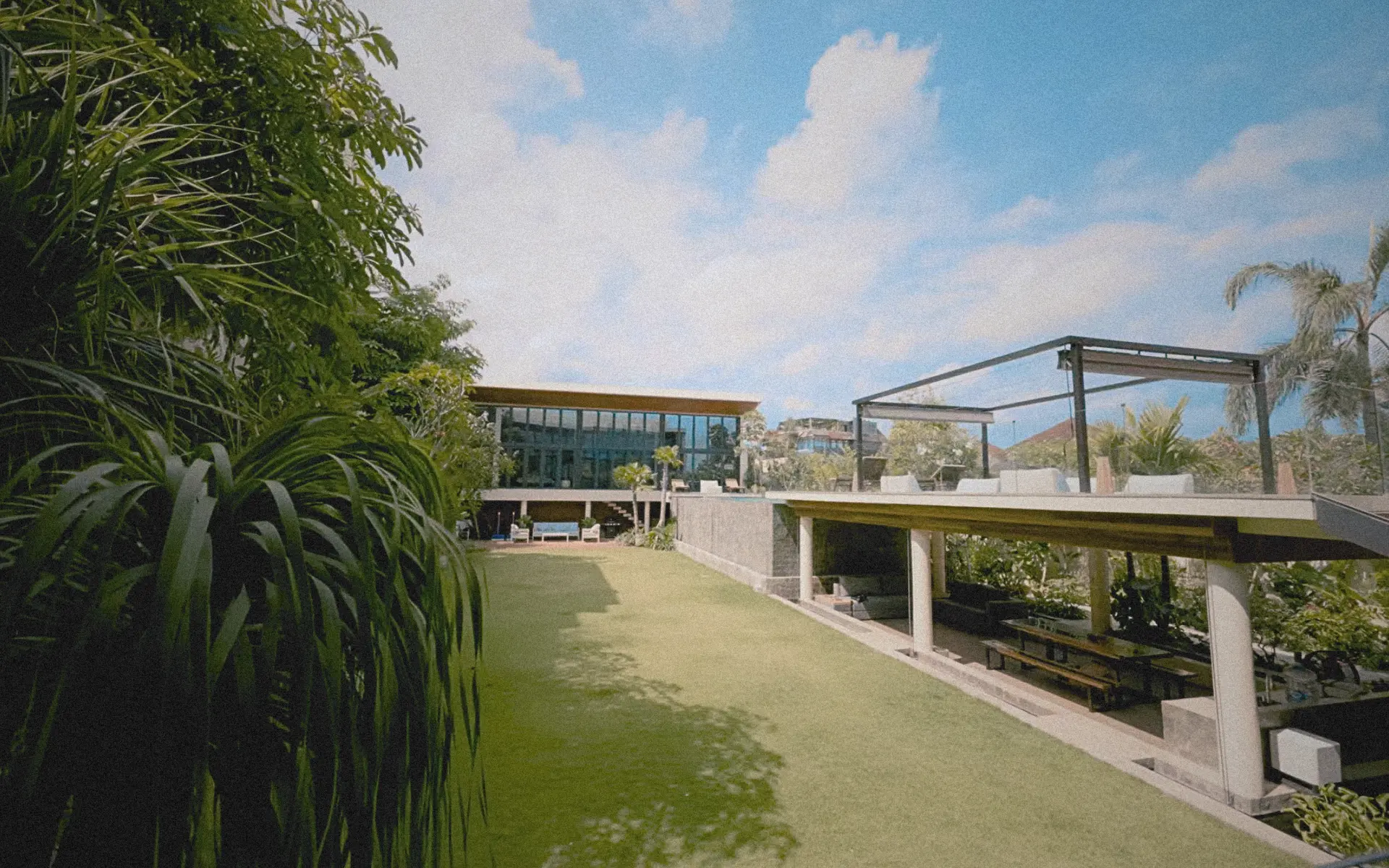
dual-volume layouts
floating stairs
sunken lounges
“box within a box” shading systems
geometric pools
semi-open bathrooms carved from concrete
These homes feel like a cross between a museum, a jungle temple, and a surfer’s daydream.
The Takeaway: Tropical Brutalism’s Softer Future
Tropical brutalism in 2026 isn’t abandoning its concrete DNA — it’s elevating it. The movement is shifting toward a softer, more human version of itself: one where hard materials meet filtered light, lush planting, locally made art pieces, and slow-lived spaces designed for the climate, not against it.
It’s less about the “brutal” and more about the honesty of the architecture. Less fortress, more sanctuary. Less spectacle, more soul.
And in Bali, where the landscape does half the work, this new era of brutalism feels not just inevitable — but right on time.
FAQs
What is Tropical Brutalism?
A regional evolution of brutalism that uses concrete, passive cooling, and nature integration to create raw yet livable tropical homes.
Why is tropical brutalism trending in 2026?
Climate-responsive design, the rise of soft minimalism, and a new generation of architects redefining concrete for tropical living.
Is brutalism too hot for tropical regions?
No — brutalism’s thermal mass plus passive cooling makes it ideal for heat-heavy climates when designed with airflow and shading.
How does tropical brutalism differ from classic brutalism?
It’s lighter, more porous, more ecological, and uses nature as a design material.
Is tropical brutalism expensive?
It can be — but it’s increasingly seen in mid-range villas using microcement and local concrete.