What Hidden Potential Lives Inside Bali’s Older Homes?
By Des Res Bali
Before We Dive In: We’re not architects, surveyors, or structural engineers. We’re two people who’ve lived here for a while and love cool architecture. This editorial isn’t professional advice. It’s a lens. A way of looking. If you’re taking on a project, definitely loop in the pros.
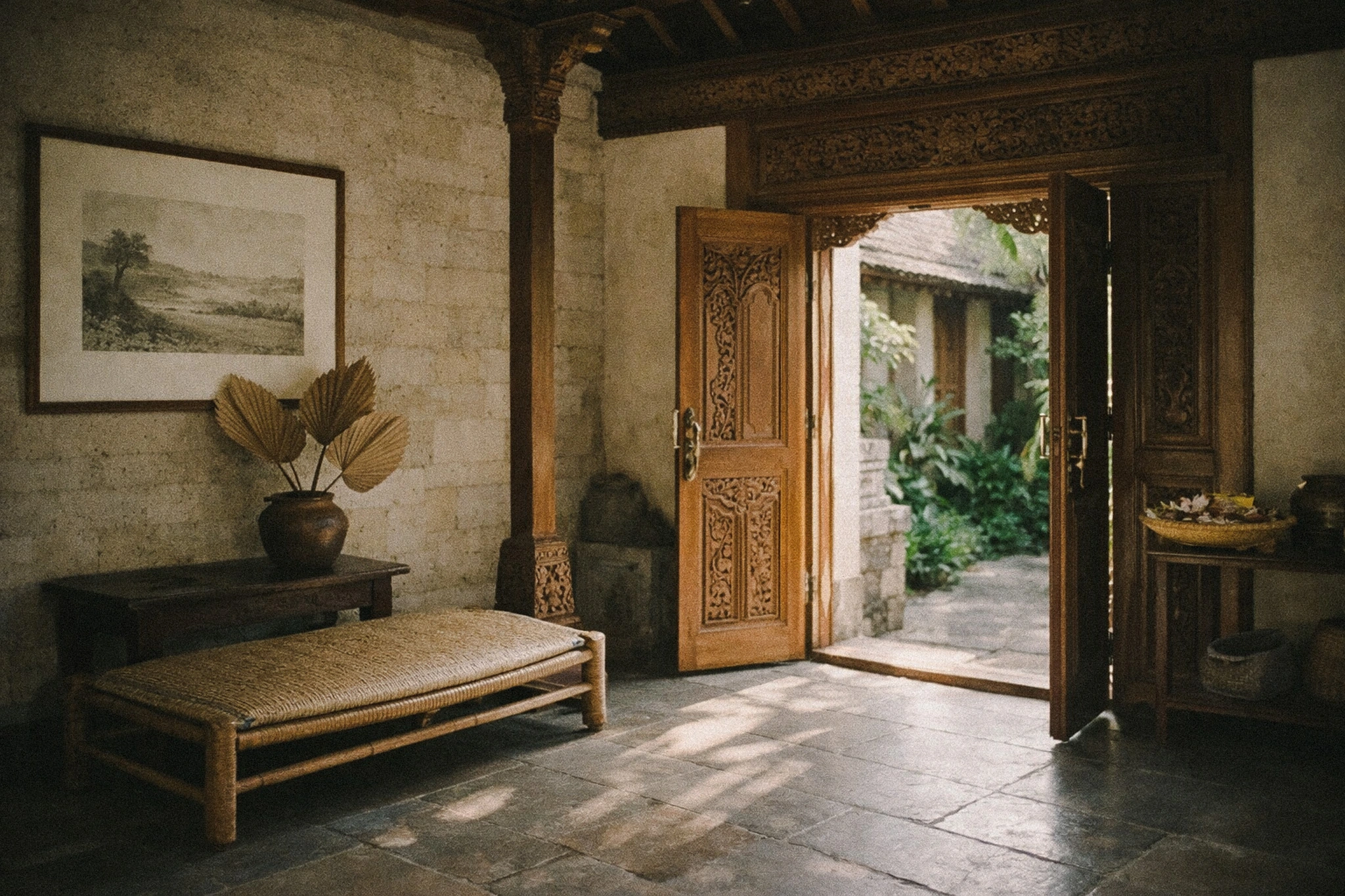
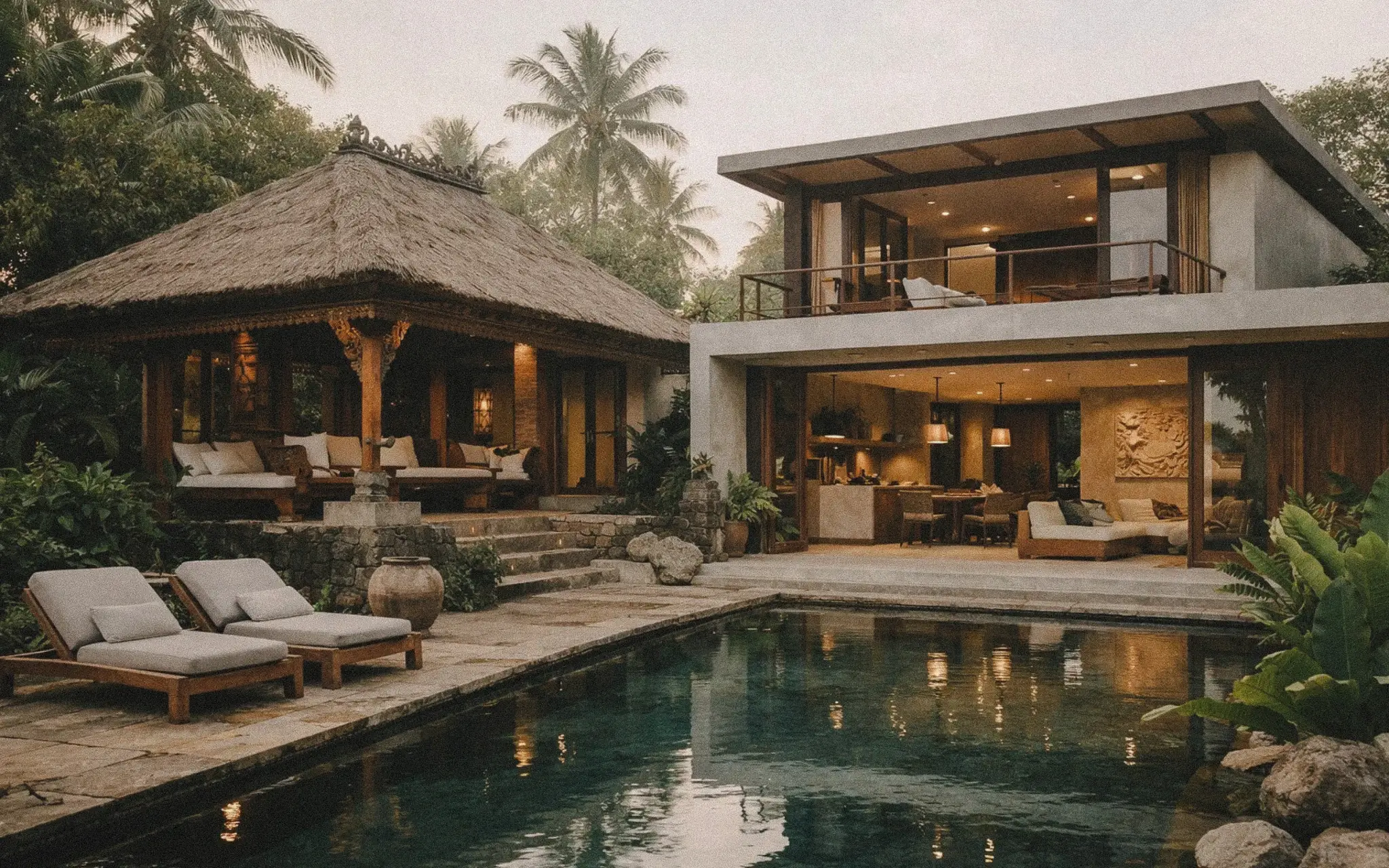
There’s something intoxicating about walking into an older Balinese home — even when it’s cracked, humid, dimly lit, and wildly overdue for a facelift. Under the old tiles, mismatched paint, and vines creeping in through window frames, there’s usually a moment where you go:
“Oh… this could be something.”
And that something?
It’s often bigger — and more magical — than anything you could build from scratch.
In this part of the series, we’re breaking down the underappreciated elements inside Bali’s older architecture that are worth noticing, keeping, celebrating, and yes, designing around.
1. The Kind of Airflow You Can’t Fake
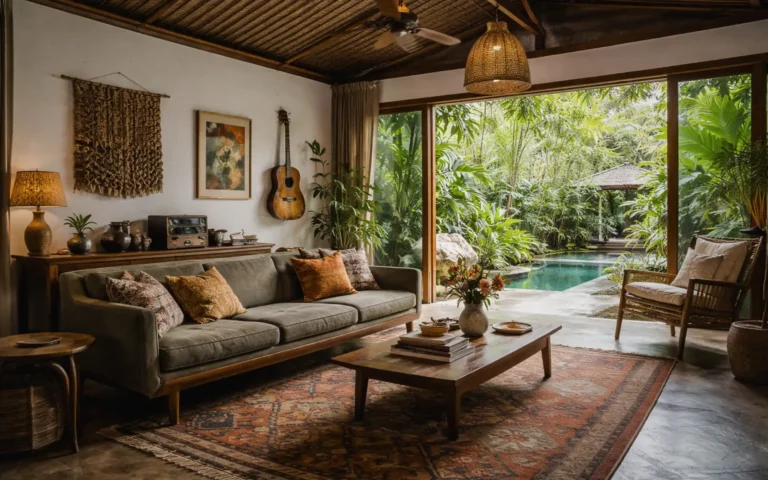
Older Balinese homes rarely require AC in every room because the layouts just… work.
High ceilings.
Cross-ventilation.
Large openings.
Thoughtful orientation.
The kind of tropical intelligence that doesn’t show up on mood boards but changes the way you live in a space.
When you renovate around this existing logic — instead of shutting it down with cramped layouts and over-insulation — the result feels cooler, quieter, and calmer.
2. Mature Gardens That Money Can’t Buy
New-build developers wish they could fast-track atmosphere like this.
We’re talking about:
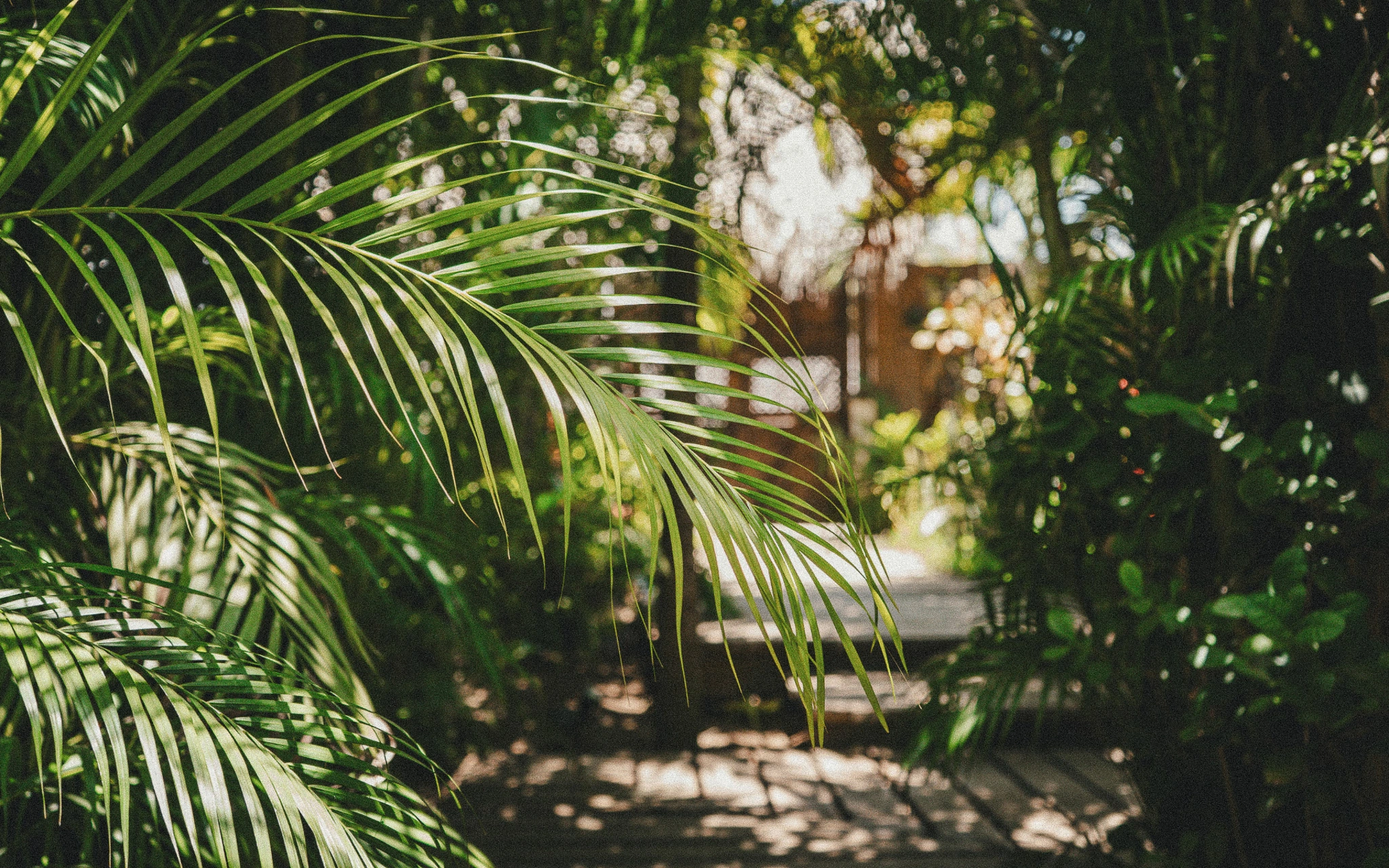
- towering palms
- established frangipani
- shade-providing banyans
- wild heliconias
- vines that have been gossiping with the fence for 15 years
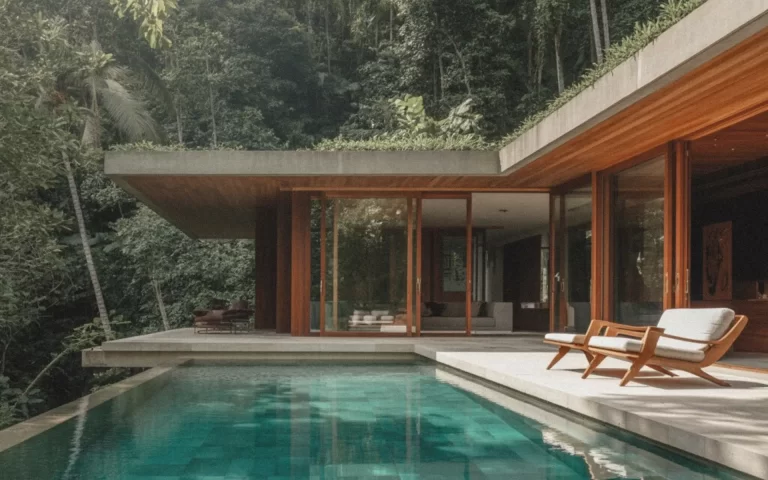
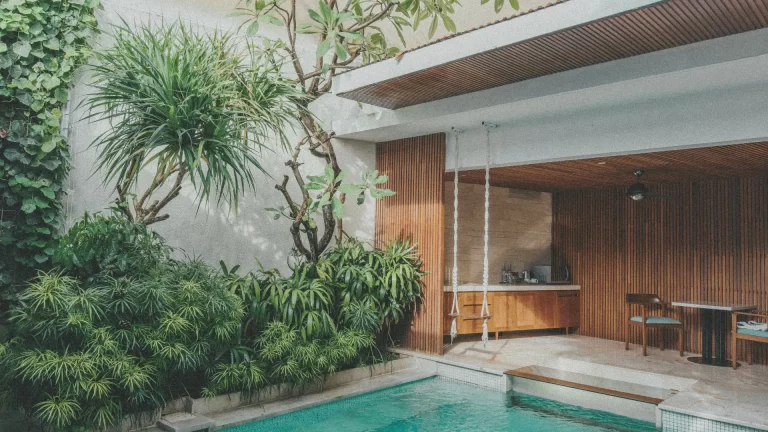
Renovating an older home often means inheriting a garden with personality — something lush, layered, and rooted in time. You can prune, shape, soften, and frame views around it, but you don’t have to create it.
It’s a built-in luxury.
3. Existing Footprints That Are Already Legal + Practical
This is one of Bali’s biggest secrets:
If a structure already exists, renovating it is almost always simpler than expanding onto untouched land.
You’re not reinventing the drainage system.
PYou’re not meddling in boundary politics.
You’re not digging new foundations in unpredictable soil.
You’re not crossing ethical lines with green zones or grey zones.
A footprint that already works is a gift.
4. Quirks With Endless Design Potential
Older Balinese homes — and the occasional Dutch-influenced or hybrid-era structure — come with:
- surprising courtyards
- elevated platforms
- deep roof overhangs
- beautifully weird room arrangements
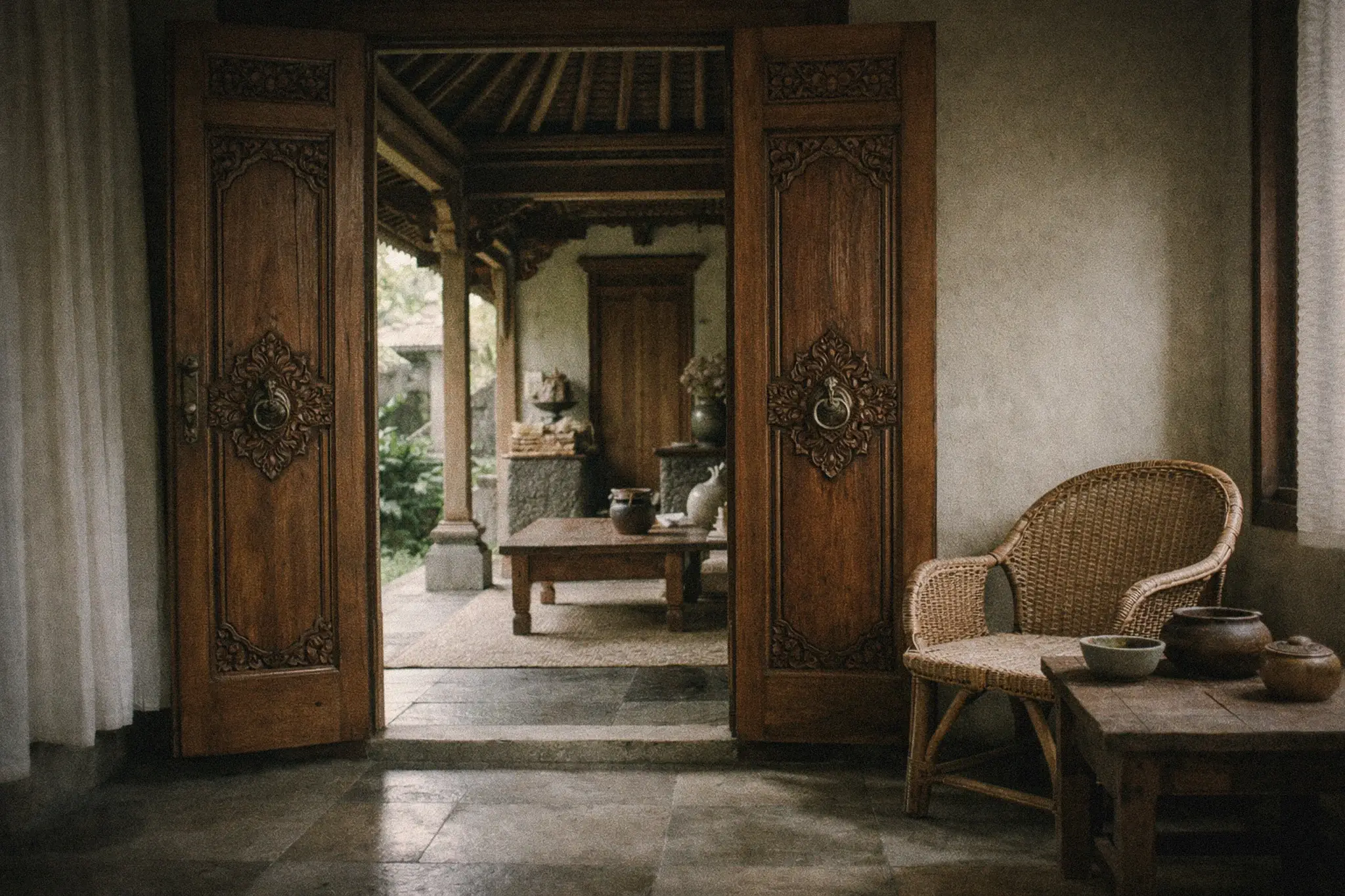
- teak elements hiding under layers of paint
- shadows and light play that feel cinematic
The imperfections are where the charm lives.
A good renovation doesn’t erase them — it amplifies them.
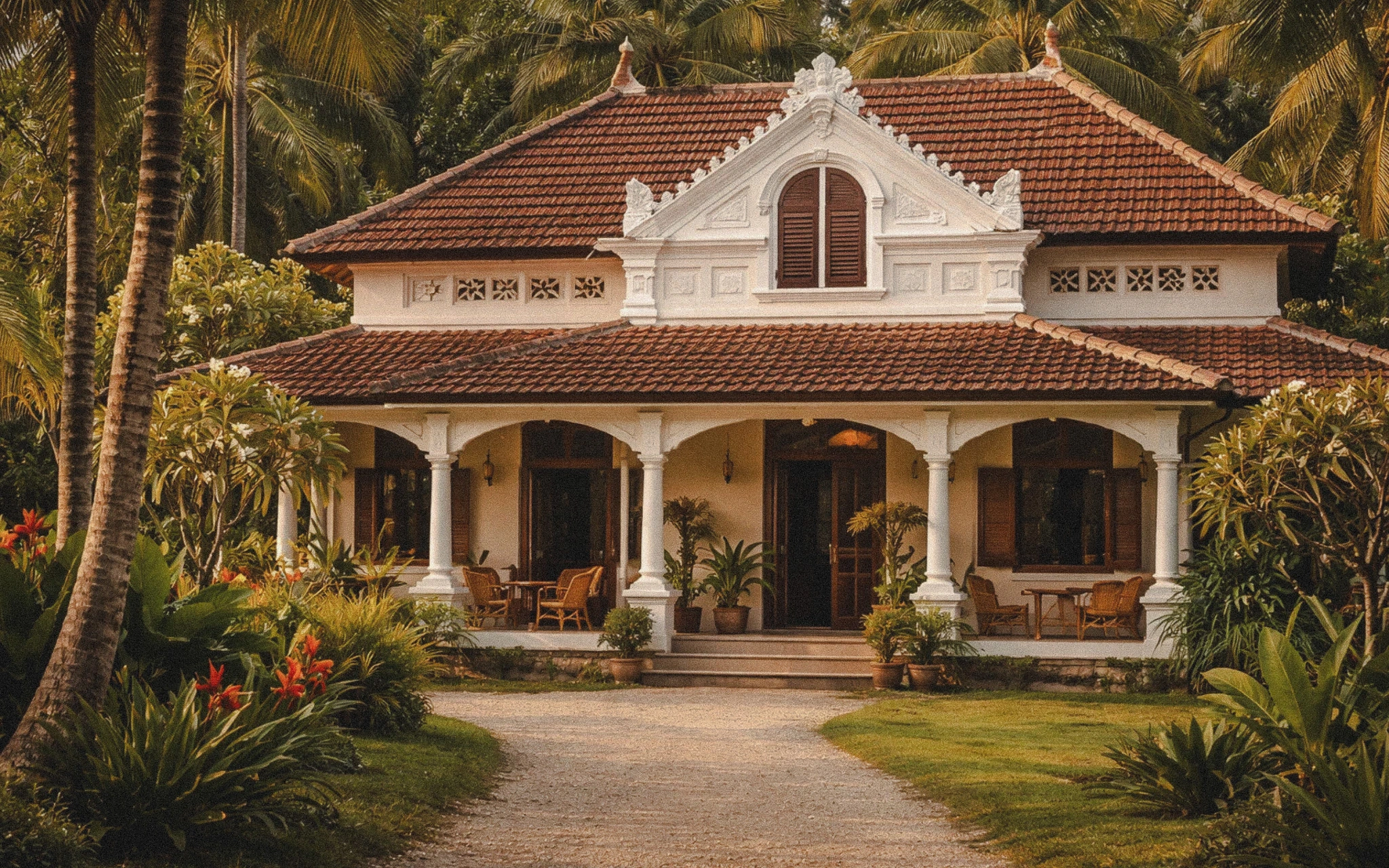
Note: Bali doesn’t have Dutch colonial architecture in the way Java does — but a handful of older homes and hybrid-era buildings still carry traces of that influence, often softened by local materials and tropical logic.
5. Materials That Age Like Good Denim
Teak doors.
Old brick.
Terracotta.
Local stone.
Hardwood columns with stories etched in them.
These materials hold patina — that soft, sandy, sun-worn quality you can’t buy new.
Renovating means preserving this texture while updating the things that matter: plumbing, electrical, waterproofing, layout flow.
6. Spaces Designed for Real Life, Not Pinterest
Older Balinese layouts are surprisingly practical:
- kitchens separated from living areas
- outdoor dining as a rule, not a concept
- breezy laundry zones
- tucked-away staff areas
- flexible multi-use pavilions
They just make sense in a way some modern builds don’t.
With the right renovation, you get practicality and modernity — without sacrificing soul.
7. Quiet Luxury That Doesn’t Try Too Hard
Sometimes a space feels luxurious simply because it feels settled.
Grounded.
Mature.
New builds often have that “fresh out of the showroom” energy.
Older homes have presence.
And a renovation can turn that natural presence into something astonishingly refined, without ever going loud.
FAQs
1. What makes older Balinese homes ideal for renovation?
Their airflow, orientation, mature gardens, and existing structural footprint make them highly adaptable and cost-efficient to modernize.
2. Do older homes in Bali stay cooler than newer villas?
Often yes — traditional layouts favor natural ventilation and passive cooling, reducing reliance on AC.
3. What architectural features are worth preserving in older Balinese houses?
Teak elements, terracotta tiles, high ceilings, courtyards, and existing landscape structure.
4. Are mature gardens valuable in Bali renovations?
Very — established trees and vegetation create shade, privacy, and instant atmosphere.
5. Is renovating an existing footprint easier than new construction in Bali?
Yes. Existing foundations, drainage paths, and legal footprints simplify the renovation process.
6. Are Dutch-influenced or hybrid-era homes in Bali good renovation candidates?
In limited cases, yes. While Bali doesn’t have widespread Dutch colonial housing like Java, some older Dutch-influenced or hybrid-era structures feature strong bones, generous proportions, and durable materials that renovate beautifully.
7. What materials age well in Bali’s climate?
Teak, hardwoods, terracotta, limewash, natural stone, and breathable plasters.
8. How do you modernize an older Balinese layout?
By improving plumbing, electrical, waterproofing, and spatial flow while respecting existing architecture.
9. Will renovating an older home add value?
Usually — properties with character + modern upgrades have high appeal to buyers and renters.
10. Do older homes handle Bali’s humidity better?
Many do, thanks to thoughtful traditional airflow and elevation practices.