loader image

Why Work With Bali’s Existing Architecture Instead of Starting Fresh?

By Des Res Bali

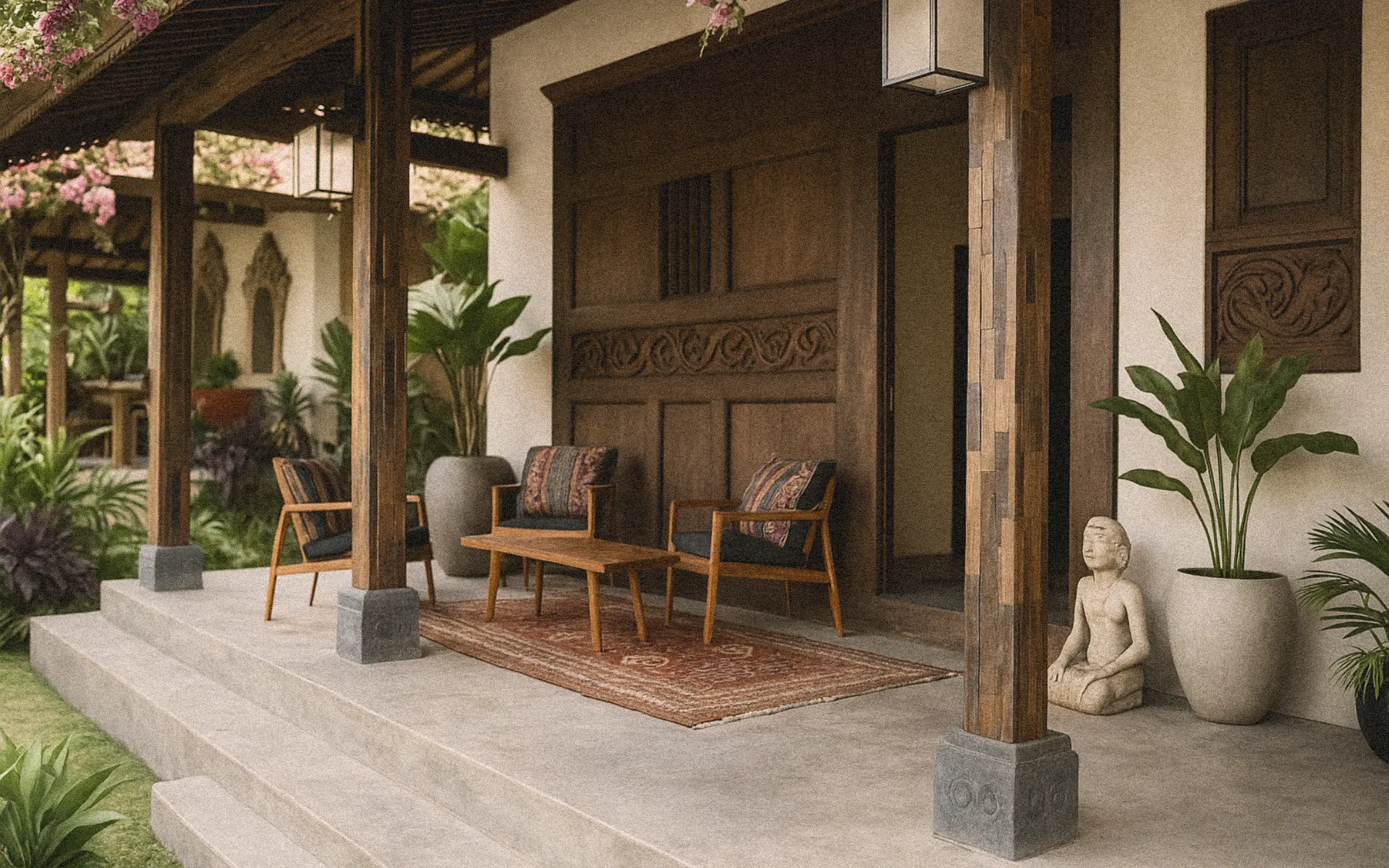
Renovated Balinese compound patio with mid-century furniture, kilim rug, and lush landscaping.

Before We Dive In

We aren’t architects or property consultants. We’re simply people who’ve lived here for a while, love good design, and care about how Bali is evolving. This editorial is meant to spark ideas, not replace professional advice. If you’re taking on a project, consult the experts — architects, engineers, and established agencies like Harcourts Purba Bali or Emerhub.

There’s a quiet shift happening across Bali right now — quieter than jackhammers but much louder than it used to be — and it starts with a simple question: what if we didn’t tear everything down?

What if Bali’s next design era isn’t about “bigger, newer, shinier,” but about working with what’s already here?

Because for all the stories people love to tell about Bali’s building boom — the jungle villas, the white-on-white Mediterranean fantasies, the rooftops that look suspiciously like Mykonos even though Mount Agung is right there — the real magic is often hiding in the bones of older Balinese homes, empty Dutch-era builds, and the half-finished tropical brutalist gems sitting quietly behind frangipani trees.

And maybe, just maybe, they’re ready for a second act.

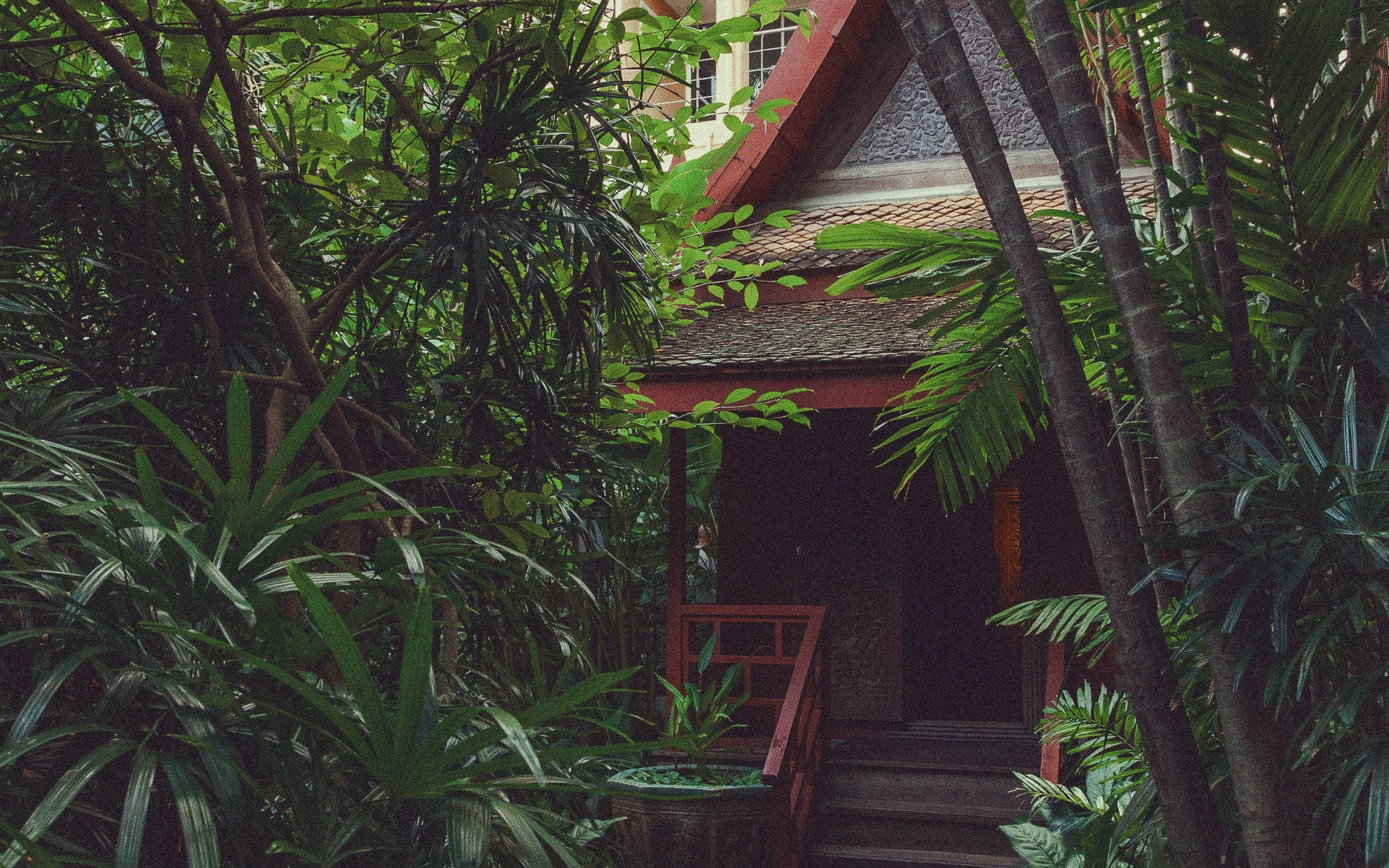
Colonial-style Bali house with red trim and railings, partially hidden behind tropical palms and lush greenery.

The Case for Keeping What’s Already Working (A Lot Is)

The funny thing about many older Balinese builds is that they’re often more attuned to the climate than half the new stuff going up.

Back before Pinterest existed, people designed around airflow, not aesthetics. Rooflines were tall enough to let hot air escape. Courtyards weren’t “conceptual”—they were practical. And windows? They weren’t tiny slits wrapped in double glazing; they were big, open, generous invitations for breezes to do their thing.

Renovating a good Balinese skeleton isn’t just charming — it’s smart. It’s cooler (literally). It’s less humid. And your AC won’t be screaming for help six months into the lease.

And yes, you can still go modern. You can still go minimal. You can still have your terrazzo bathroom if that’s your thing. But when the base is right, everything else becomes easier, cheaper, and far more beautifully “of Bali” instead of “could be anywhere.”

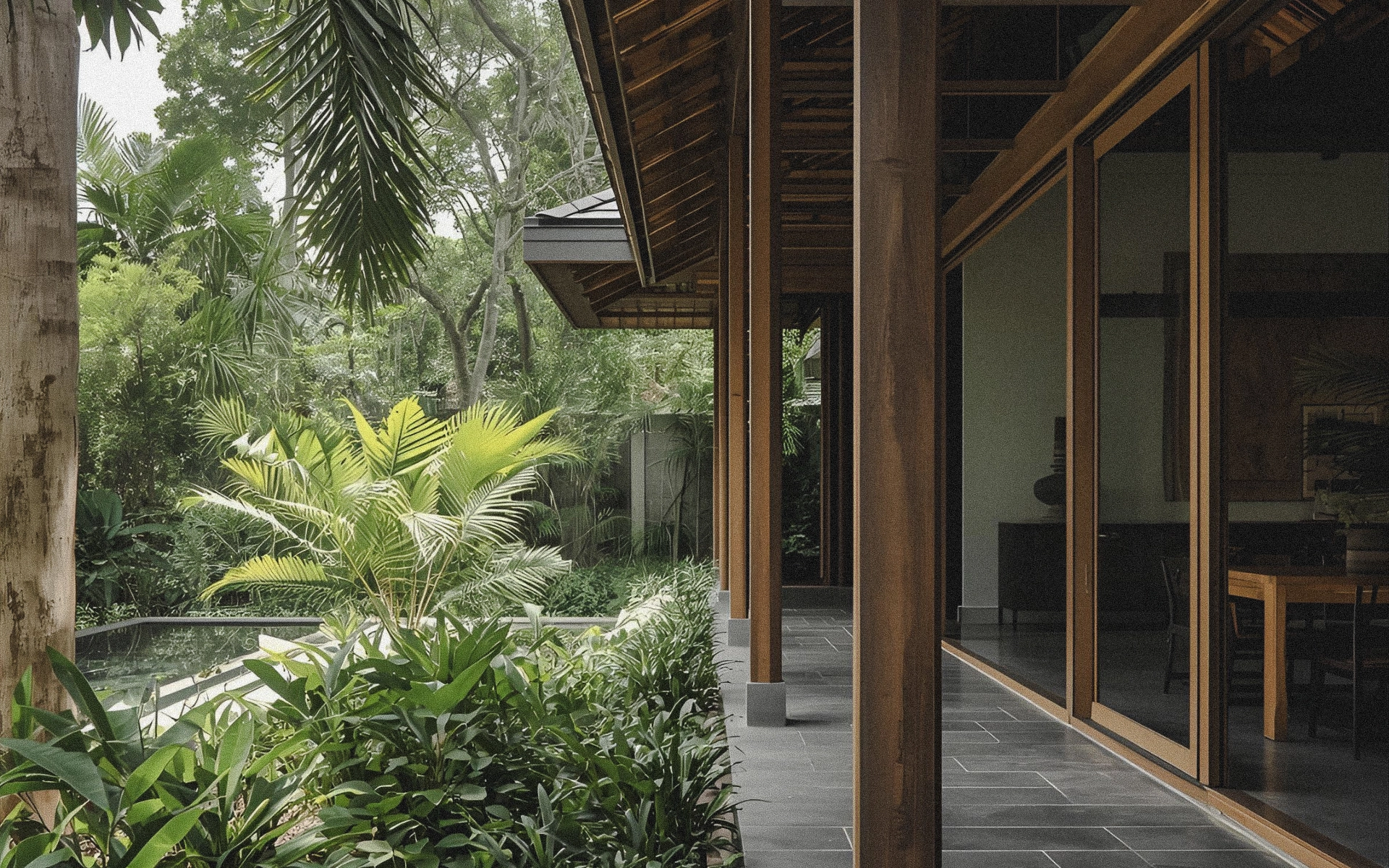
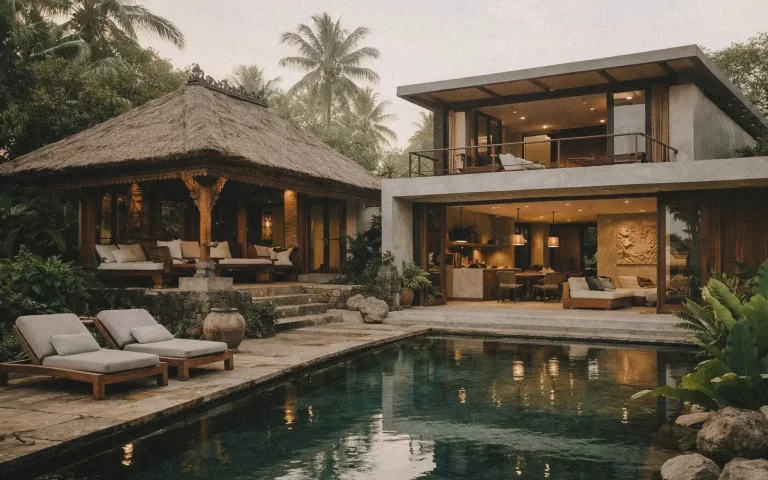
Refurbished Balinese compound with a modern teak-and-concrete poolside patio in warm earth tones.

Let’s Talk Land (Because That’s Where This Gets Real)

Here’s something people don’t always want to say out loud:
Bali is running out of land that should ethically be built on.
Not legally — ethically.

We all know the stories. Rice fields that “magically” become yellow land overnight. Green zones that aren’t so green anymore. Banjar meetings where someone with a big wallet pushes a project through because someone else needs the money that month. It’s complicated. And very human. And very Bali.

But building on existing footprints? 

Renovating instead of expanding

Using walls and foundations that are already there? 

That’s one of the few ways to grow responsibly in a place where the land’s natural drainage system is already strained, flooding is worsening every year, and demolition waste has nowhere truly regulated to go (ask anyone who’s ever done a reno here: the back of a truck is as “official” as it gets).

Renovating isn’t just “eco.” It’s literally reducing waste by the ton — especially in a place where waste management systems are still evolving.

*Pro tip: Always secure banjar approval early—consult the local community council for a letter of no objection, often involving a meeting and contributions to harmony (Tri Hita Karana principles). It’s essential for renovations too.

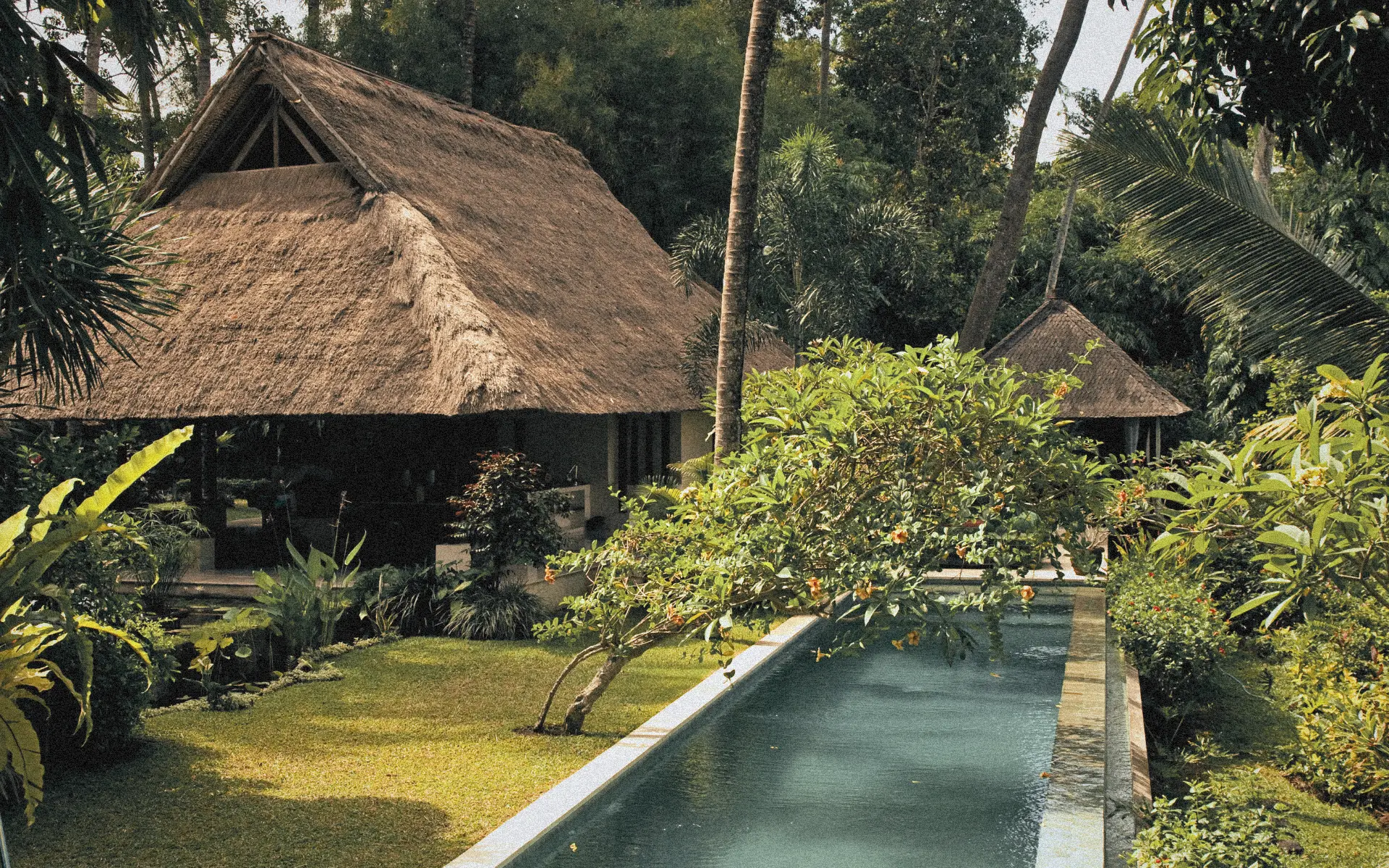
Renovated Bali villa with infinity pool, tropical plants, and a grassy roof surrounded by lush jungle.

Cultural Respect Isn’t a Trend — It’s Orientation

Balinese architecture isn’t random.
It’s built around Asta Kosala Kosali, a spatial philosophy rooted in cosmology and balance. The mountain-sea axis. The outer and inner realms. The way compounds open, breathe, and position themselves within the land.

When you take an existing Balinese structure and work with it rather than flattening it, something interesting happens: your design ends up feeling more grounded, more relaxed, more “correct” — even if you can’t quite articulate why.

It just feels right.

And modernizing this sensibility can be beautiful.
Keep the orientation. Open the sight lines. Refinish the wood. Swap the tile. Pull back the clutter. Add warmth. Add restraint. Let the tropical light do the heavy lifting.

Minimalism, but make it contextual.

The Tropical Brutalism Nobody Talks About

Maybe you’ve seen them around, hiding in plain sight.

Those half-finished concrete cubes tucked into villages and jungles, abandoned mid-dream by someone who ran out of time, money, or enthusiasm.
Somewhere between “industrial chic” and “beautiful mistake.”

Guess what?
They’re often the best renovation opportunities in Bali.

The structure is usually over-engineered (Indonesian builders don’t mess around with rebar), the material is already there (no carbon-heavy imports needed), and the design potential is huge.

A little polish. A few warm textures. Soft landscaping. Some timber. Suddenly you have a tropical brutalist dream house without pouring a single new foundation.

These are the kinds of projects we’re excited to see more people take on. They’re already half sustainable by accident.

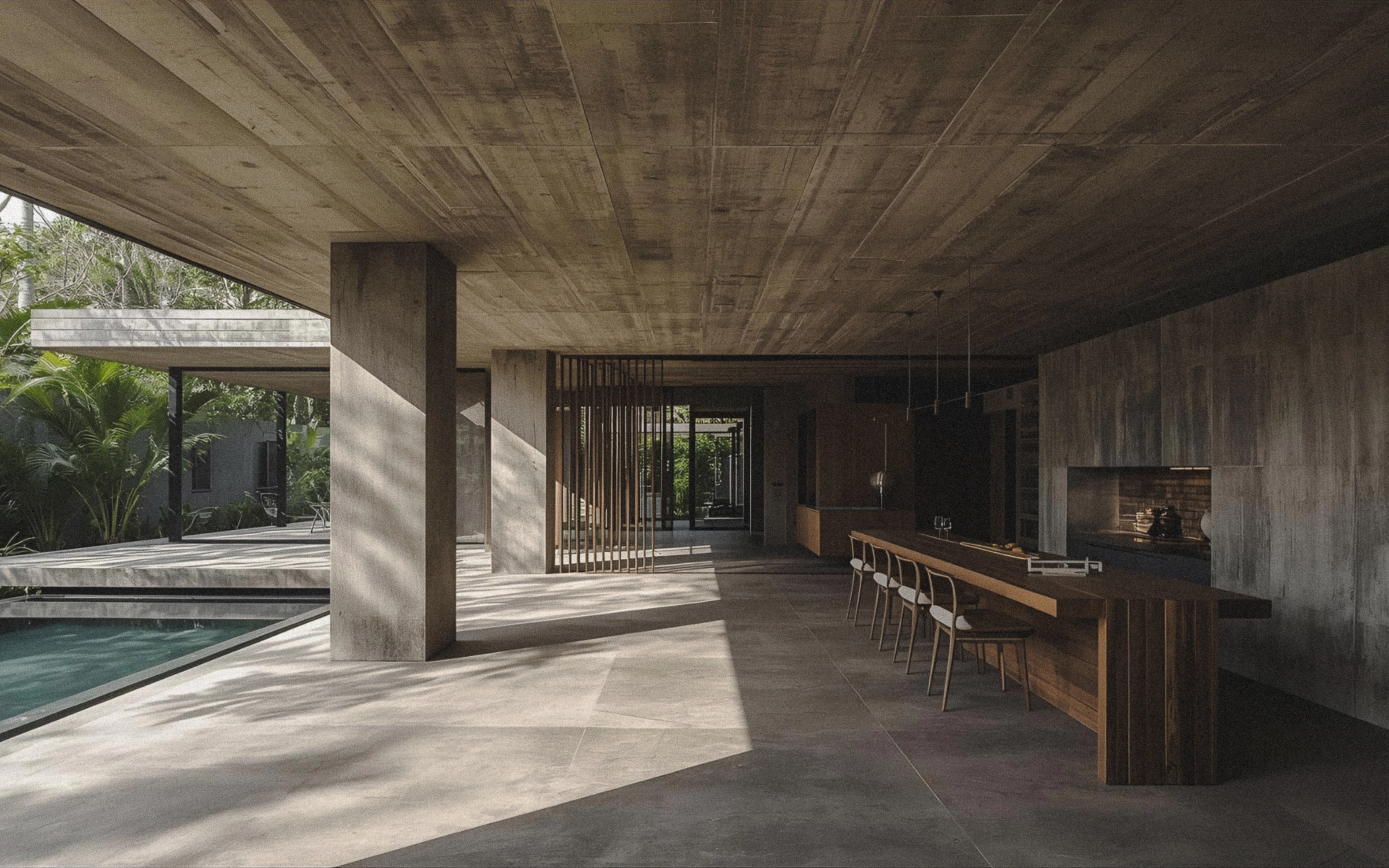
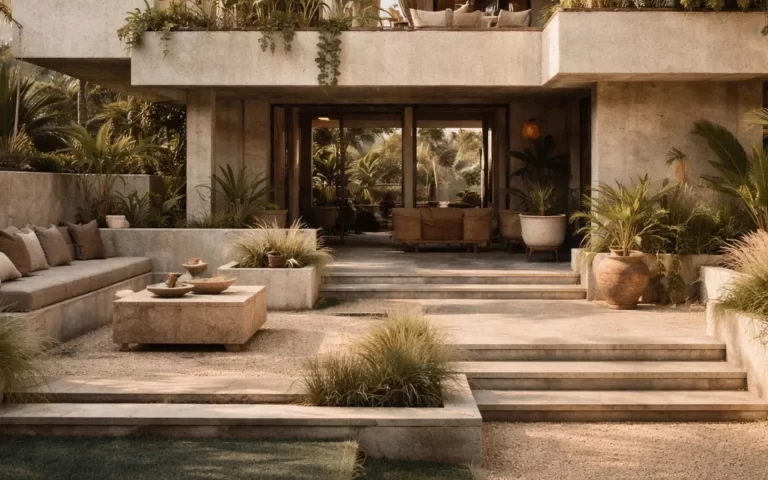
Minimalist tropical brutalist courtyard with a central pool, exposed concrete, and warm wood accents.

Modern Needs, Old Bones (Yes, You Can Have It Both Ways)

People often assume renovating means “compromising,” but it’s usually the opposite. You can:

  • Upgrade electrical and plumbing

  • Add rainwater catchment

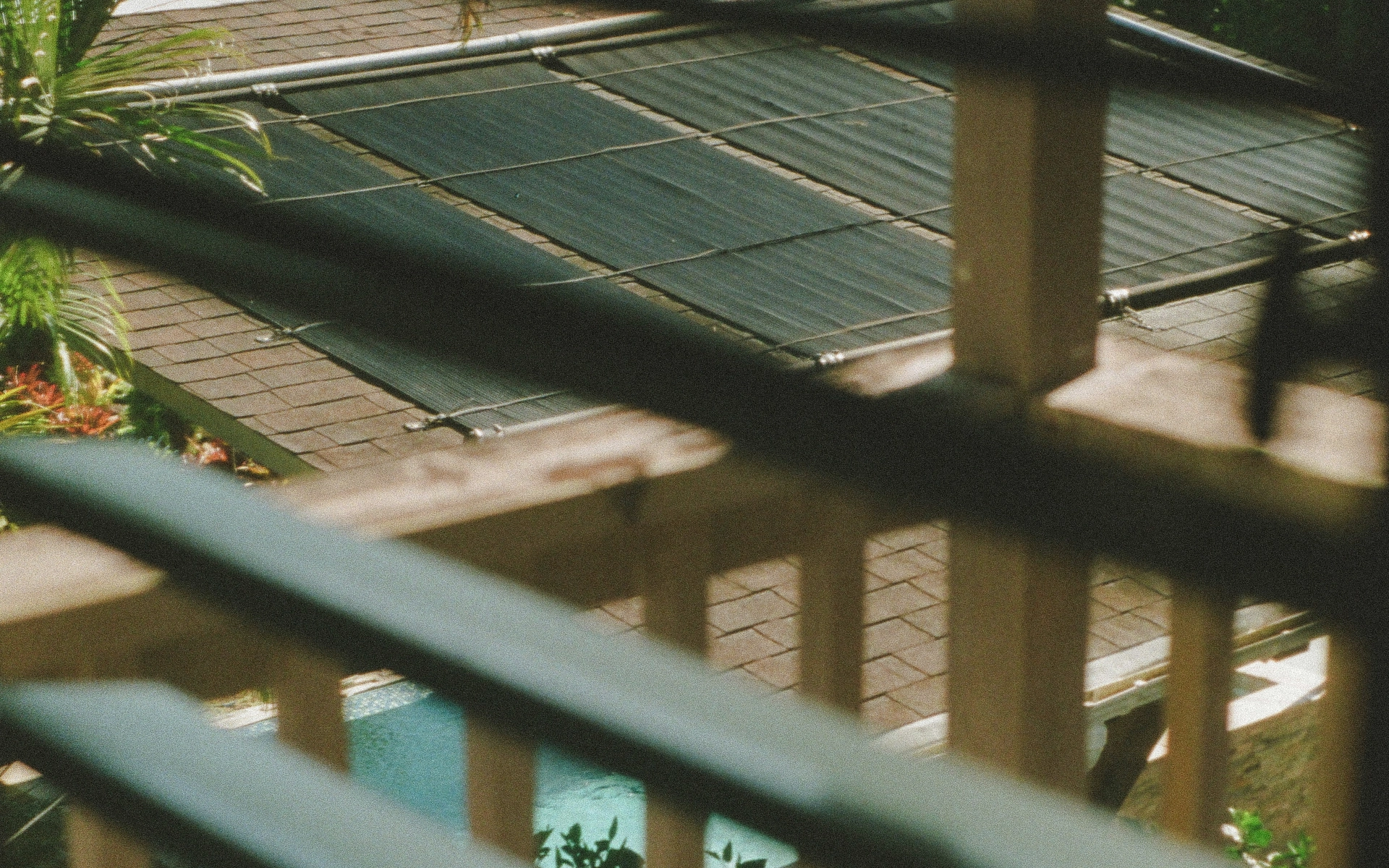
  • Install solar (so much easier now than even two years ago)

  • Improve insulation

  • Add ventilation systems

  • Re-clad facades

  • Rewrite the entire interior narrative

All without bulldozing the orchard, the sacred tree, or the neighbor’s drainage path (please don’t ever do that).

And because you’re not paying to build everything from scratch, you can invest more in craftsmanship, local materials, and details that matter.

Close-up of rooftop solar panels with palms and a pool visible through the deck railing.

The Truth? Renovations Are Just More Interesting

A perfectly blank canvas is nice.
But a canvas with a story?
A history?
A past life?
A few quirks?
A signature mango tree you design around because it refuses to be moved?

That’s where the charm is.
That’s where design gets soulful.

Bali doesn’t need more copy-paste villas pretending they’re in Santorini.
Bali needs design with intention — design that listens.

And the first thing worth listening to is what’s already standing.

FAQs

1. Is Renovating in Bali Cheaper than Building New?

Often — but not always. Renovations can reduce structural and permitting costs, but the final price depends on the condition of the existing property and the quality of the redesign.

2. Why are more people choosing renovations instead of new builds?

Because Bali already has beautiful architecture, a rising awareness of environmental impact, and more interest in authentic, place-sensitive design.

3. Does renovating help reduce Bali’s overdevelopment issues?

Yes. Renovating uses less land, preserves existing structures, and reduces the need to build on rice fields or green zones.

4. Can you modernize an older Balinese home without losing its character?

Absolutely. Many architects specialize in blending traditional forms with modern comforts — including airflow improvements, sustainable materials, and better spatial flow.

5. What materials work best for tropical renovations in Bali?

Teak, reclaimed timber, bamboo, natural stone, limewash, and breathable materials that perform well in humidity and heat.

6. Are solar panels and rainwater systems now easier to install in Bali?

Much easier. Supply chains have improved, and modern systems work smoothly even with PLN’s limitations.

7. Is renovation faster than a new build?

Generally, yes — though structural fixes or heritage-sensitive repairs can add time.

8. Are there unfinished buildings in Bali worth restoring?

Yes. Bali has many untouched tropical brutalist structures and colonial-era homes that respond beautifully to renovation.

9. Will renovating increase property value in Bali?

High-quality renovations typically add value, especially when they preserve or enhance unique architectural features.

10. Do I still need architectural and engineering consultations for renovations?

Yes. Even small projects require professional assessment for safety, permits, and long-term performance.

If you Enjoyed This, You Might Also Like:

Recent Posts

Design-led Bali home with clean architecture, tropical foliage, and warm interior light at sunset
When Design in Bali Feels Right (Even When It’s Bold)
Read More
Tropical brutalist villa in Bali with exposed concrete, hanging plants cascading from balconies, and a concrete courtyard seating area
When Tropical Brutalism Ages Well (and When It Really Doesn’t)
Read More
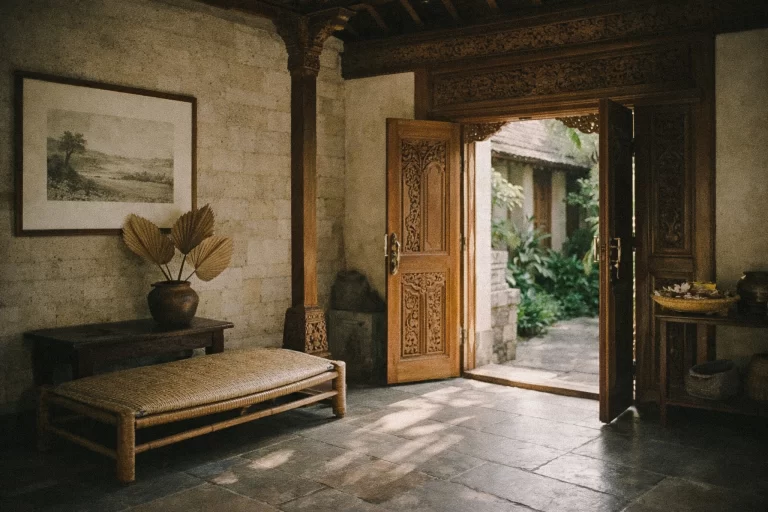
renovated-bali-compound-interior-v2
What Hidden Potential Lives Inside Bali’s Older Homes?
Read More
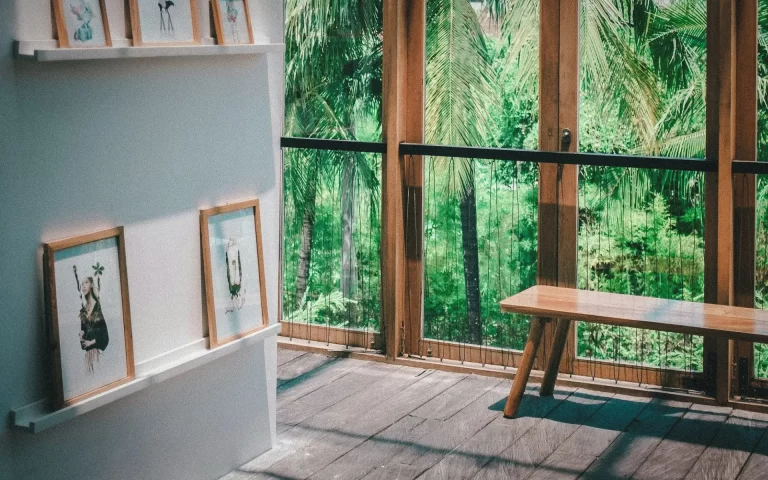
Close-up of framed artwork on wooden wall shelves with wood floors and glass doors opening to a tropical garden.
3 Ways to Make Your Villa Feel Like Home (Without Losing the Vacation Vibe)
Read More
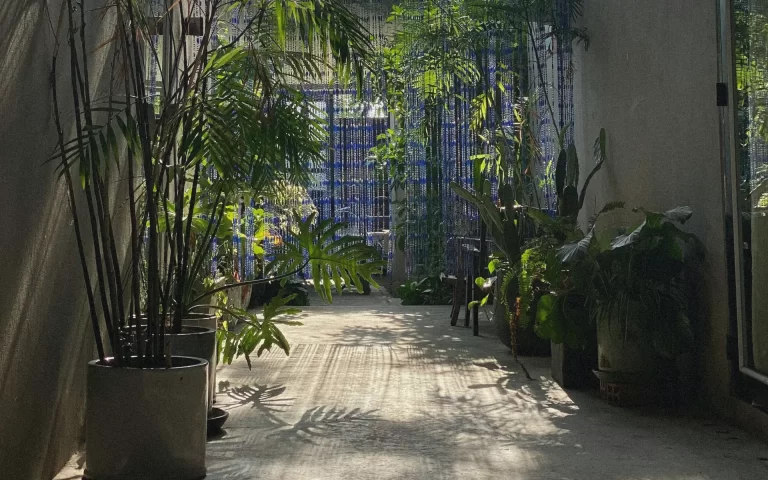
Tropical brutalist concrete courtyard with lush plants, soft daylight, and beaded outdoor curtains creating filtered shadows.
Tropical Brutalism Revisited 2026 — From Raw to Refined
Read More
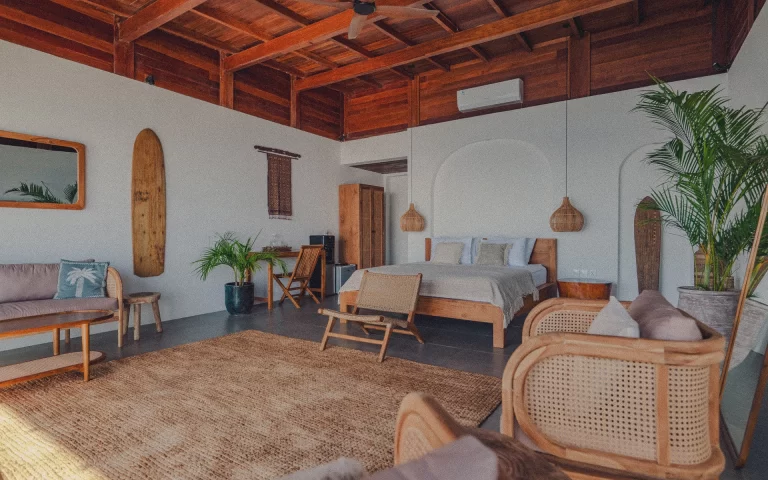
Luxury tropical villa interior in Bali with teak bed, wicker rugs, rattan furniture, wicker pendant lamps, mirrors, and tropical plants, bathed in soft afternoon light.
Renting Unfurnished in Bali? Here’s How to Make It Feel Luxurious
Read More
1 2 3 4 5
Scroll to Top