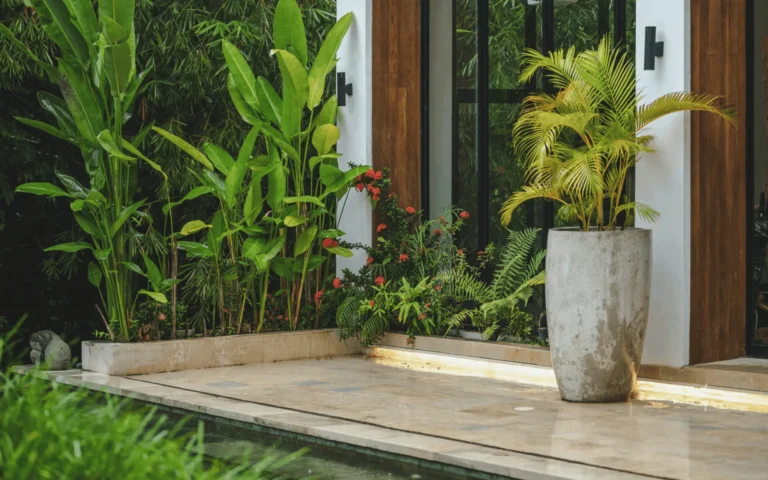
Why Thoughtful Spaces Matter More Than Ever in Bali
By Des Res Bali
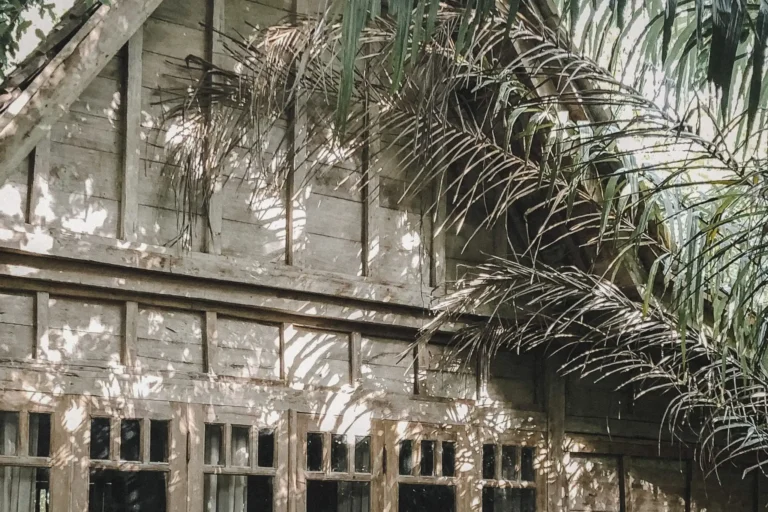
Photo: Polina Kuzovkova
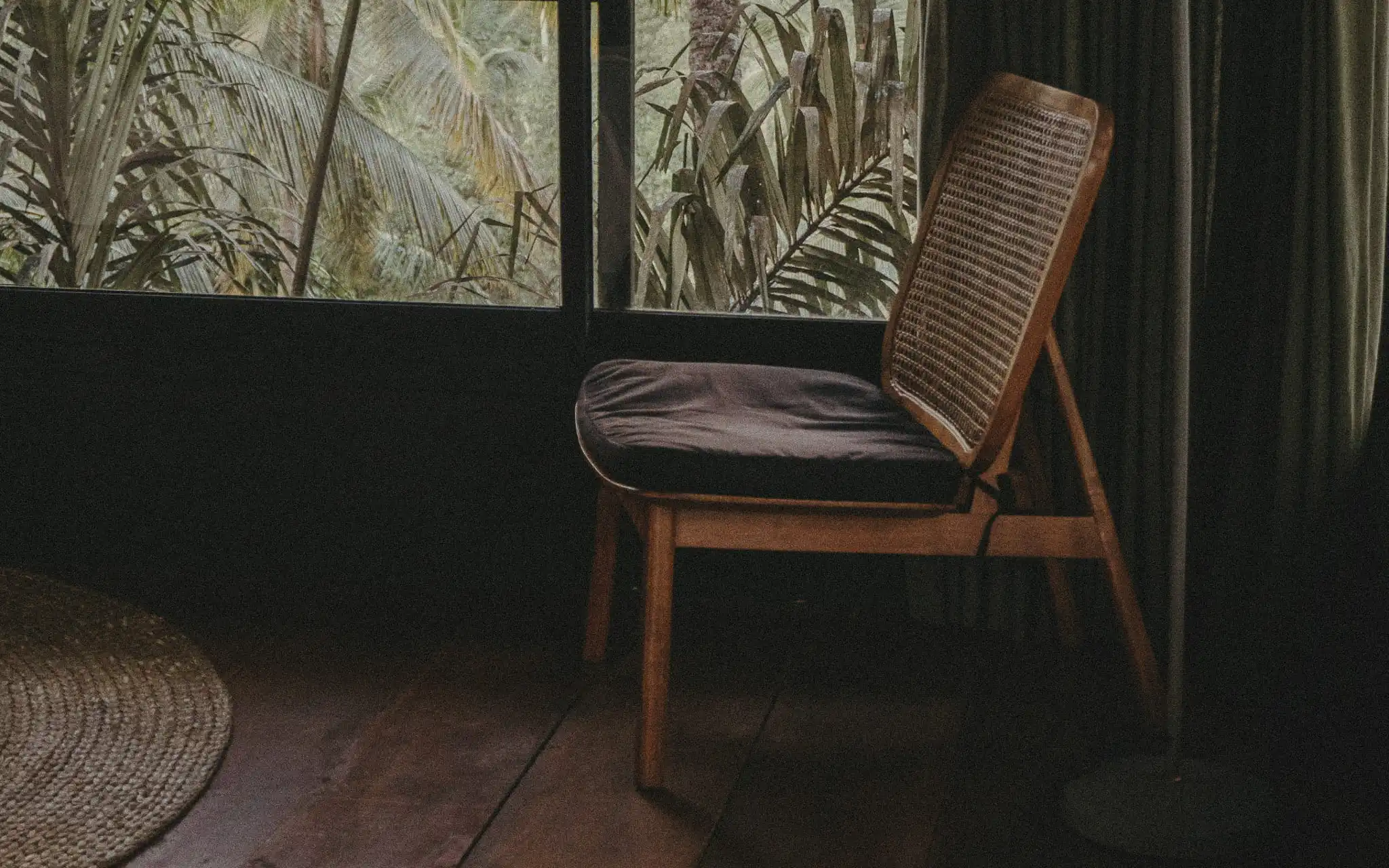
In Bali, the difference between a space that photographs well and one that actually feels good to live in tends to reveal itself slowly.
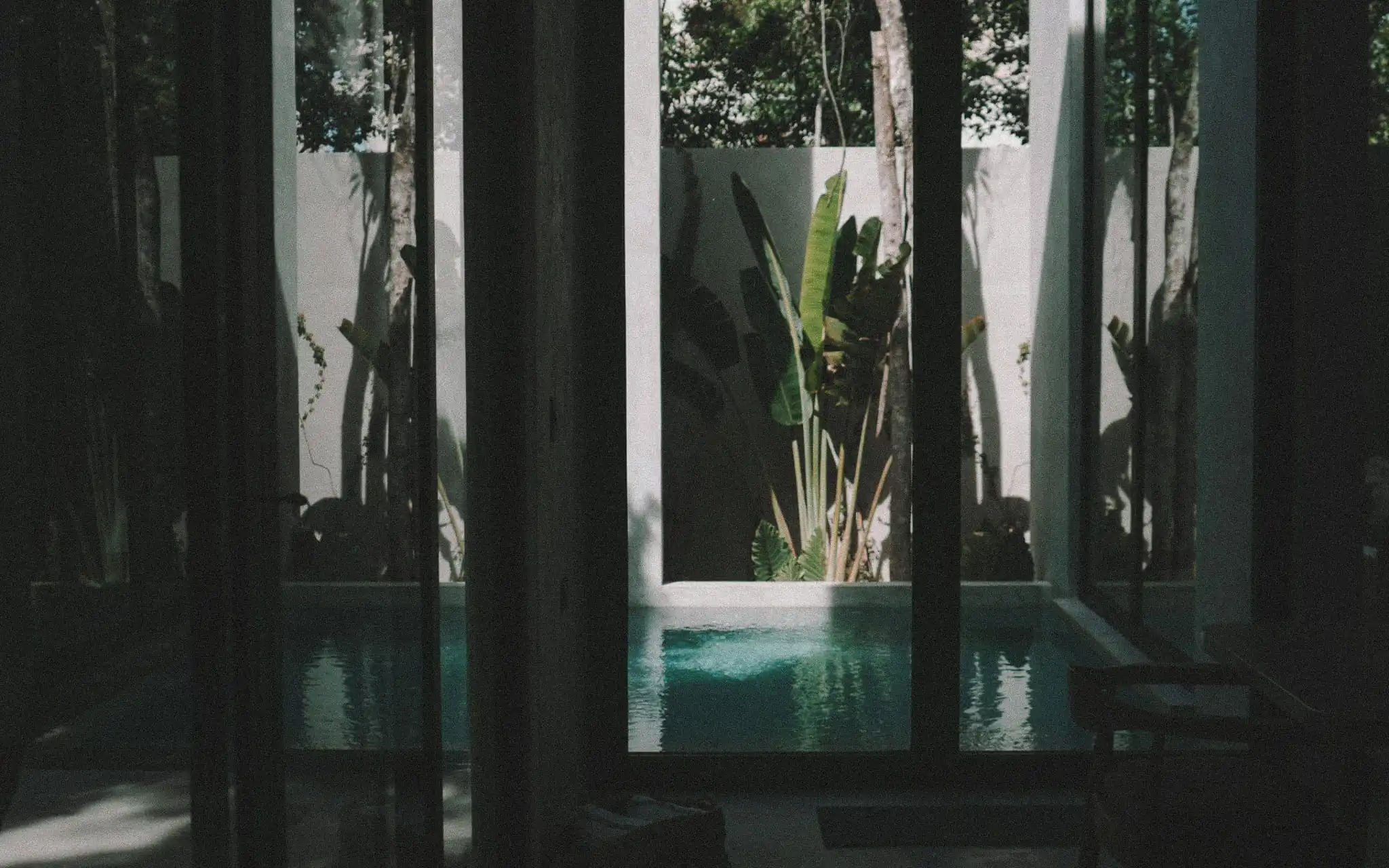
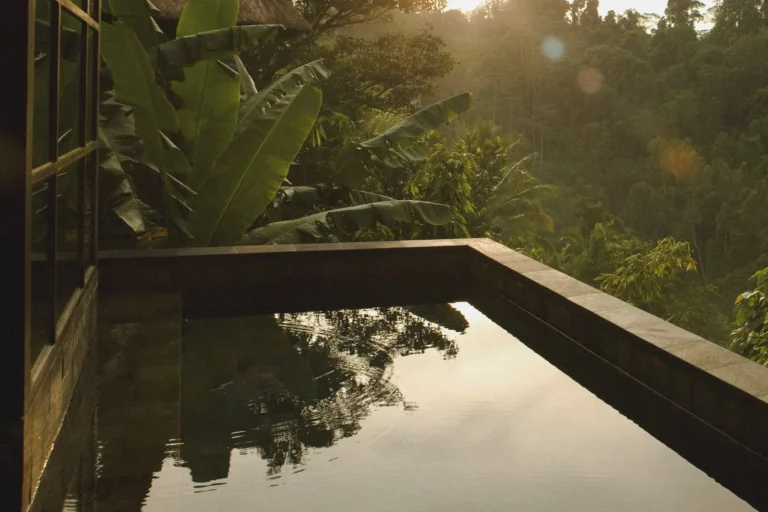
At first, almost everything feels beautiful here. Open-air living. Tropical light. Pools framed by palms. The novelty alone can carry a space for a while.
But over time, other things start to matter more.
How the air moves through a room in the late afternoon. Whether materials soften into the landscape or deteriorate against it. Whether a home feels grounded in its environment — or simply placed on top of it.
As Bali evolves, the conversation around design feels like it’s shifting too.
New villas rise quickly. Restaurants open faster than roads can keep up. Entire neighbourhoods seem to transform almost overnight — shaped as much by tourism and social media as by architecture itself. And somewhere inside all of it, the island’s quieter magic can sometimes feel harder to hold onto.
Not gone. Just easier to drown out.
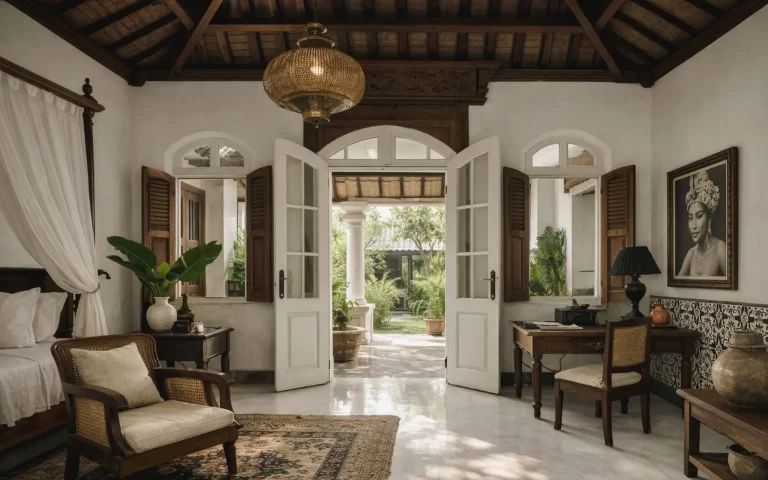
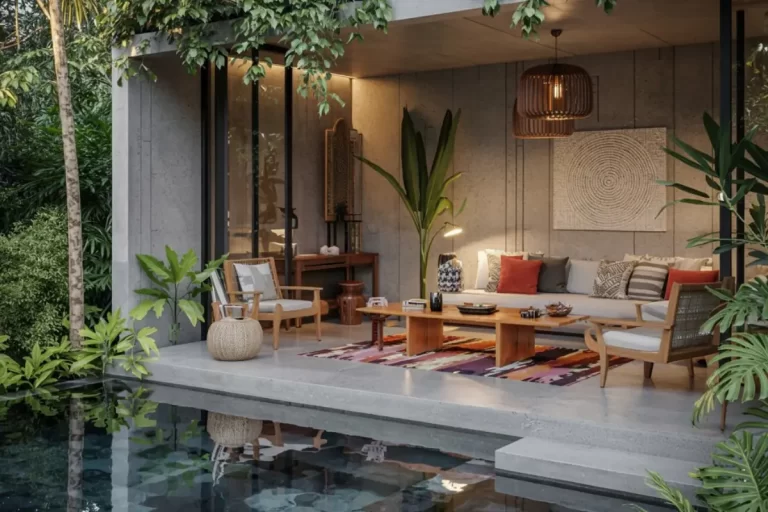
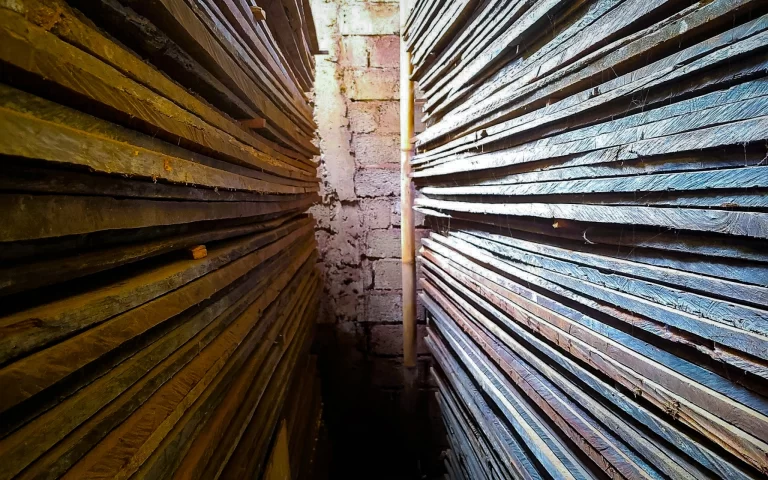
The spaces that tend to stay with people are rarely just the most visually impressive. More often, they’re the ones that work with Bali instead of against it — not through grand sustainability slogans or performative minimalism, but through smaller, quieter decisions: natural airflow that works alongside modern comfort, materials that age well in tropical conditions, shade, texture, and restraint, renovations that preserve character instead of flattening it, and spaces designed around how people actually move, gather, rest, and live.
That doesn’t mean luxury is the problem.
Some of Bali’s most memorable homes and hotels are expansive, layered, and undeniably beautiful. Comfort matters. Atmosphere matters. A well-designed villa can absolutely feel luxurious while still remaining connected to its surroundings.
But the places that linger tend to have something deeper holding them together — a sense of intentionality beneath the styling. Homes and hotels where atmosphere comes not just from aesthetics, but from how the space responds to climate, landscape, materials, and daily life. Places that feel lived in rather than over-performed. Spaces where the details feel considered instead of copied from the same rotating Pinterest moodboard.
And for all the ways Bali evolves, many of the island’s older architectural instincts still feel surprisingly relevant.
For decades, Bali maintained building height restrictions tied roughly to the height of a coconut tree — helping preserve a lower skyline and a stronger connection between architecture and nature. Traditional rooflines, open-air layouts, natural materials, and lower-density building weren’t just aesthetic choices. They shaped the feeling of Bali itself.
Of course, Bali shouldn’t be frozen in time. Growth is inevitable, and good contemporary architecture absolutely has a place here. But there’s real value in building with a lighter footprint — in creating spaces that feel connected to the island rather than imposed onto it, and in remembering that part of Bali’s beauty has always come from restraint: allowing nature, light, texture, and landscape to remain part of the experience rather than something to be designed around.
There are also small signs of change beginning to appear across the island — from growing interest in adaptive reuse and better materials to the slow rise of solar integration, electric vehicles, and lower-impact building approaches. None of it is perfect, and Bali’s infrastructure challenges are still very real. But thoughtful progress rarely happens all at once. More often, it starts quietly, through better decisions made consistently over time.
Some of the most memorable places in Bali aren’t even the most polished. Many are imperfect — a little weathered, a little uneven around the edges. But they feel grounded.
And in a place evolving as quickly as Bali, that feeling matters more than ever.
Because one of the easiest things to lose here is also one of the reasons people come in the first place: the feeling of being connected to nature rather than separated from it.
The best spaces in Bali understand that instinctively. And moving forward, that’s the side of Bali we’ll continue to be most interested in documenting.
FAQs
What makes a space feel thoughtful in Bali?
Thoughtful spaces in Bali tend to respond well to the tropical environment — through natural airflow, shade, durable materials, and layouts designed for everyday living rather than just visual impact.
Why does climate-aware design matter in Bali?
Bali’s heat, humidity, salt air, and rainfall can quickly take a toll on buildings that weren’t designed with the tropics in mind. Climate-aware architecture generally ages better, feels more comfortable, and costs less to maintain over time.
What is Bali's traditional building height rule?
Bali has historically maintained building height restrictions linked to the approximate height of a coconut tree — a guideline that helped preserve the island’s lower skyline and its sense of connection to the natural landscape.
Is luxury architecture bad for Bali?
Not at all. Luxury becomes more meaningful when it’s paired with thoughtful design, quality materials, and a genuine understanding of the environment a space exists within.
Why are more people interested in thoughtful design in Bali?
As Bali develops rapidly, residents, travellers, architects, and developers alike are placing greater value on spaces that feel calm, intentional, and genuinely connected to the surrounding landscape — rather than simply impressive from a distance.