The Bali Villa Viewing Checklist (What to Notice Before You Say Yes)
By Des Res Bali
Quick heads up: We’re not architects or property inspectors — just people who’ve spent enough time viewing (and living in) Bali villas to know that first impressions and day-to-day reality can be very different things.
What to look for varies depending on how you live, how long you’re staying, and whether you’re renting or buying. This is an editorial take based on experience. Not a rulebook, not a checklist you have to follow — just the stuff we wish someone had pointed out before we said yes.
Most villas feel good for the first five minutes.
That’s not the problem.
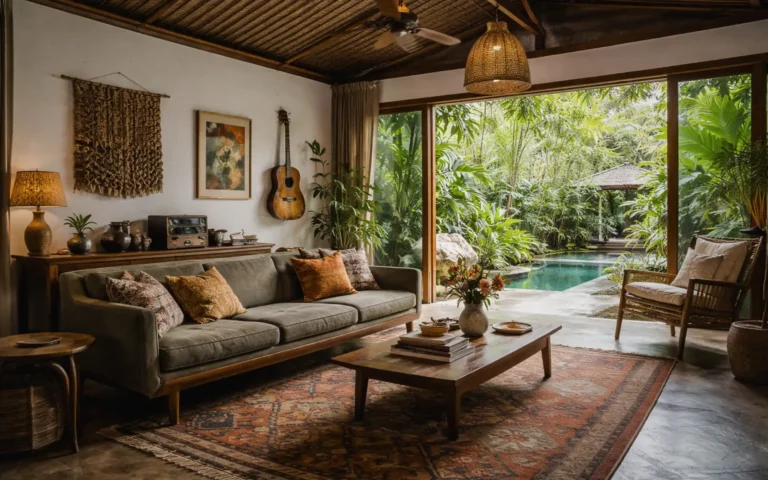
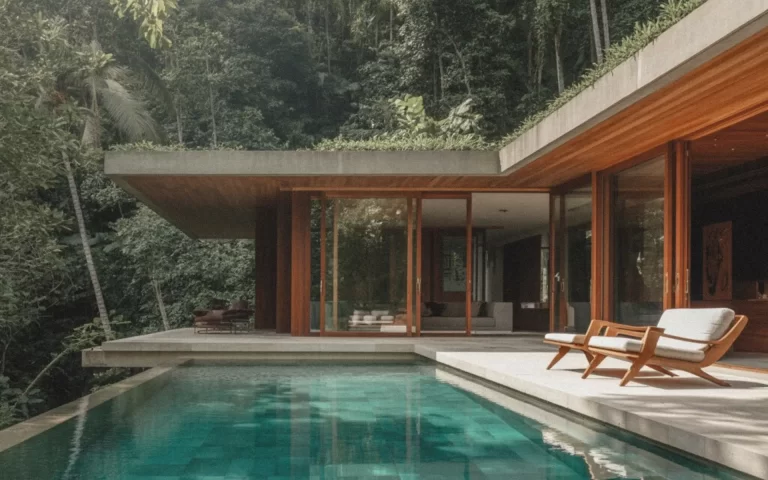
Open air living, a pool, soft light, a bit of greenery — it’s easy to walk in and imagine yourself already living there. But in Bali, the difference between a place that looks good and one that actually works tends to reveal itself slowly.
This isn’t a checklist for picking apart a space. It’s about knowing what to notice before the initial impression settles in.
Stand still for a minute
Before you touch anything, just pause.
What can you hear? Traffic, even if it’s faint. Construction nearby. Dogs that don’t stop. Or nothing at all.
Sound travels differently here, especially in open-air spaces. What feels quiet at first can shift quickly once you start paying attention.
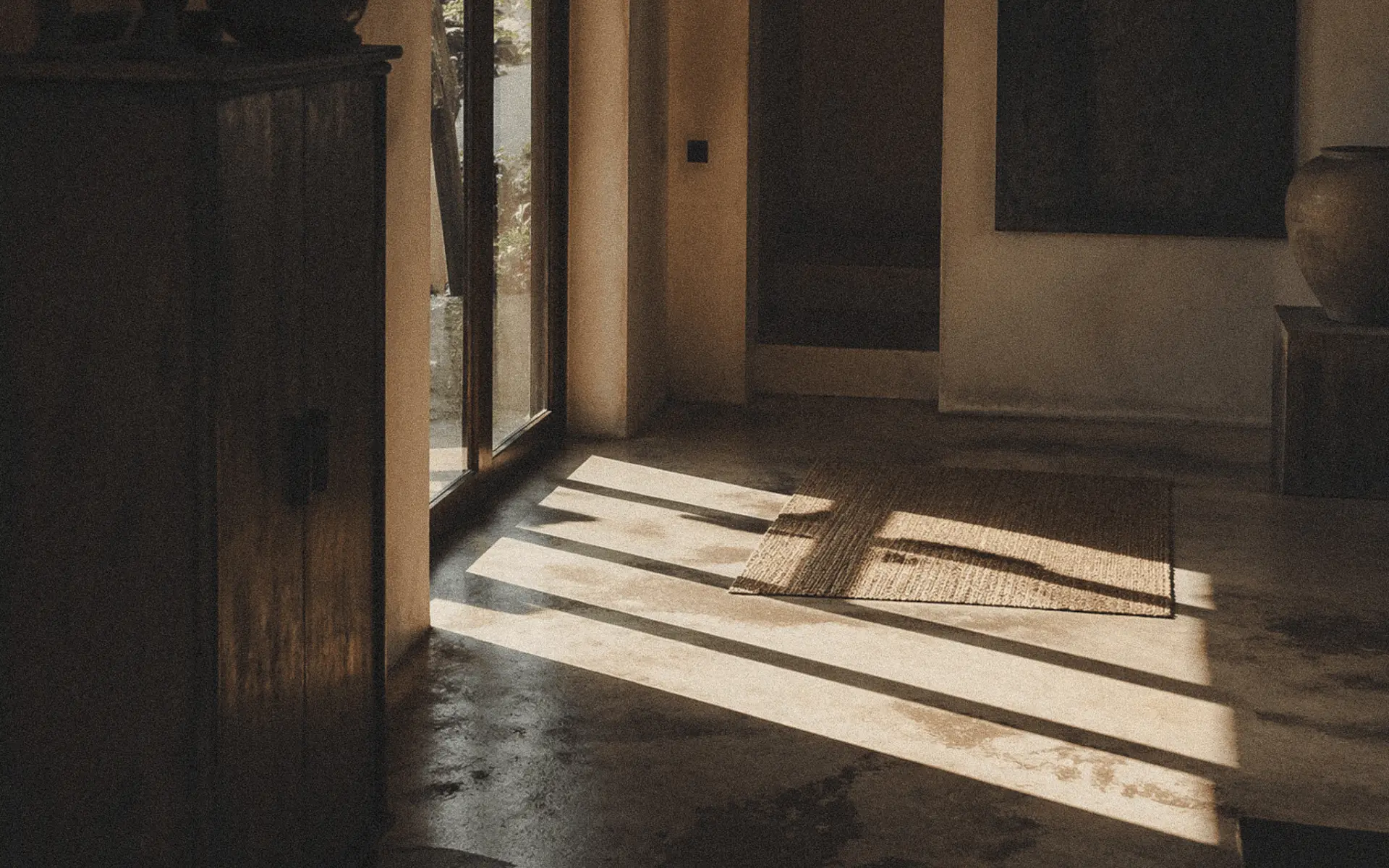
Where does the afternoon sun land? Is the living area exposed during the hottest part of the day? Do the bedrooms heat up before you go to sleep?
A villa that feels bright and open at 10am can feel completely different by 3pm.
Open everything
Don’t assume airflow — test it. Open the doors, the windows, the sliding panels. See how the air actually moves through the space. Cross-ventilation isn’t a given, even in open designs.
If the air doesn’t move, you’ll feel it.
Check the edges
The details tell you more than the big picture.
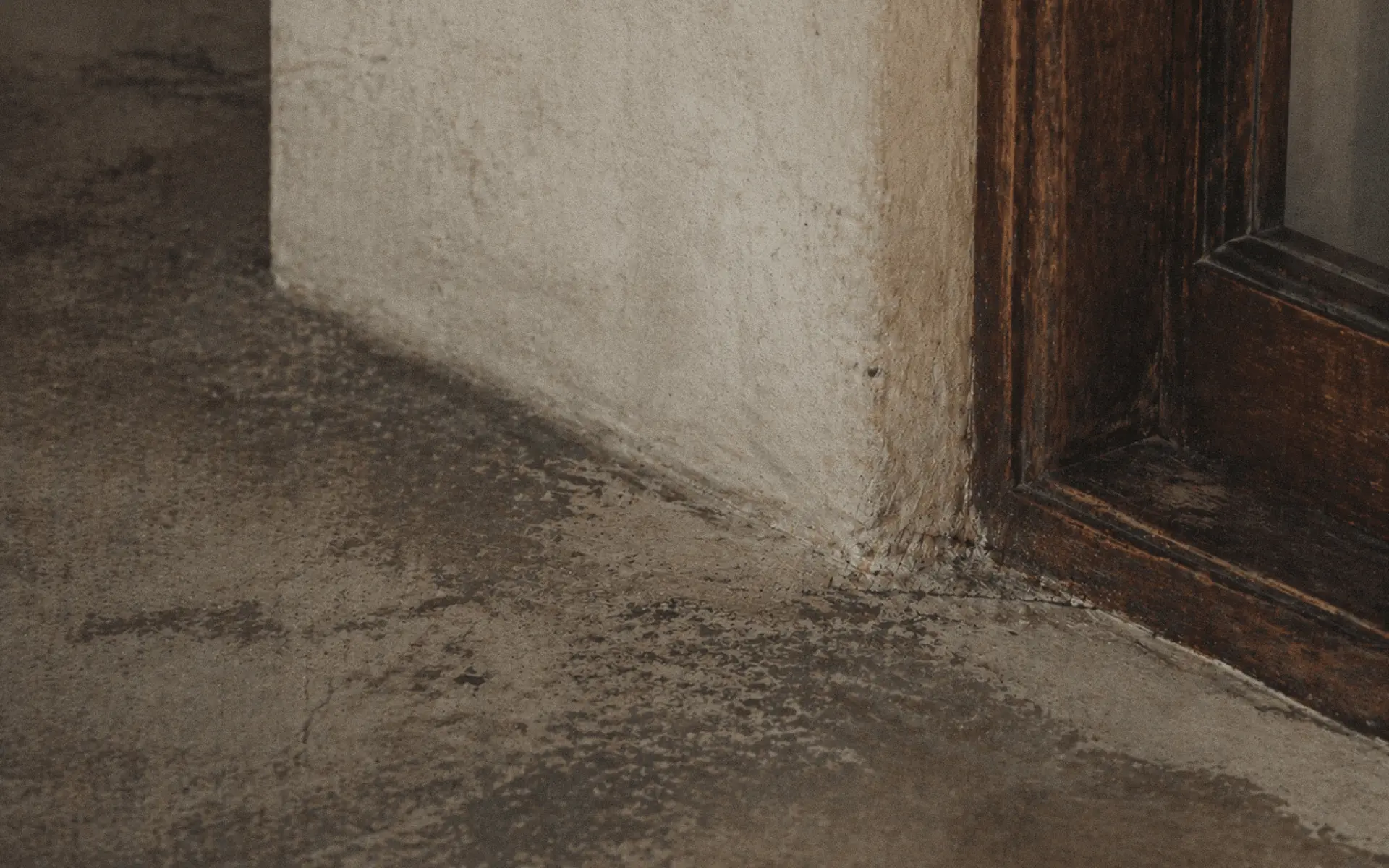
Look at the corners, the joins between materials, the bathroom finishes, the kitchen surfaces. This is where humidity, wear, and shortcuts show up first.
Storage (or lack of it)
It’s almost always overlooked — and it’s almost always a problem.
Suitcases, everyday clutter, cleaning supplies: a villa can feel beautiful and still be completely impractical within a week. If there’s nowhere logical for things to live, they end up everywhere.
Where does your eye land?
Sit down. Look around.
What do you actually see from the sofa, the bed, the dining table? A great space doesn’t just look good in photos — it gives you something to look at while you’re living in it.
What's just outside the frame?
This one matters more than most people think, because it’s the thing you can’t change.
The interior can be fixed, styled, improved. But empty land next door is a future build site. A neighbouring rooftop means someone can see in. A quiet access road now might not stay that way.
What you can’t see in the listing photos is often what defines the experience.
The quiet truth
A villa isn’t just what it looks like when you arrive.
It’s what reveals itself once you start paying attention.
The best spaces hold up — not just visually, but in how they feel day to day. And that’s rarely decided in the first five minutes.
FAQs
What should I check when viewing a villa in Bali?
Look beyond appearance. Pay attention to airflow, sunlight, noise levels, storage, and surrounding environment, as these factors affect daily comfort more than aesthetics.
Is airflow important in Bali villas?
Yes. Good airflow helps regulate heat and humidity. Without proper cross-ventilation, villas can feel hot and stagnant even if they look open.
How can I tell if a villa will be too hot?
Visit at different times of day if possible. Check where the sun hits in the afternoon and whether living or sleeping areas are exposed to direct heat.
Why is noise important when choosing a villa in Bali?
Open-air design means sound travels easily. Nearby roads, construction, or animals can significantly impact how peaceful a villa feels.
What do people often overlook when viewing villas in Bali?
Storage, material quality, and what’s outside the property (like nearby construction or neighboring buildings) are often missed but make a big difference over time.