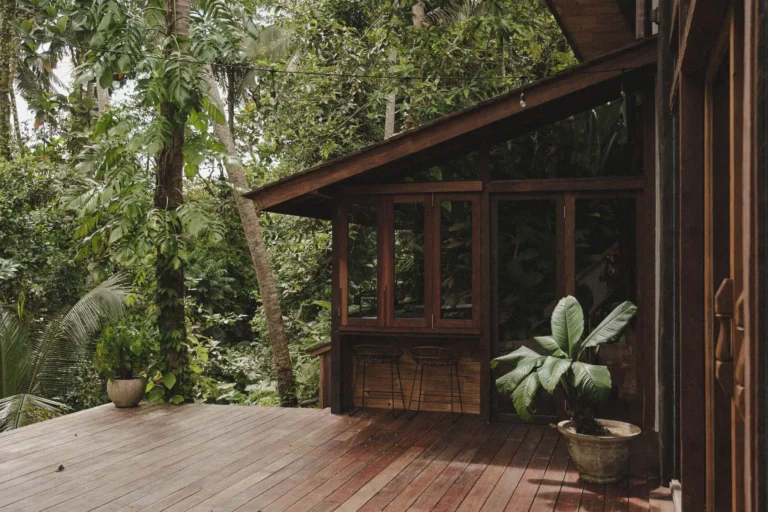
The Most Sustainable Villa in Bali Might Be Already Standing
By Des Res Bali
Every week in Bali, another plot gets cleared, another villa goes up and another beautiful project appears on our feeds.
We love good architecture. That’s hardly a secret around here. But every now and then, it’s worth asking a different question.
What if the most sustainable home isn’t the one that’s about to be built? What if it’s the one that’s already standing?
Not every older house is worth saving. Some really have reached the end of the road. But plenty haven’t. They just need someone willing to look past dated finishes, awkward layouts or a few questionable renovation decisions made over the years. Sometimes the best project isn’t a demolition. It’s a rethink.
Every building comes with a footprint
When a house is demolished, we don’t just lose the walls. We lose the concrete that’s already been poured. The timber that’s already been milled. The roof that’s already weathered twenty rainy seasons. All of the materials, energy and labour that went into creating that home disappear into a skip bin.
Building new will always have its place. Bali is growing, and thoughtful new architecture will continue to shape the island in exciting ways. But if an existing structure can be improved instead of replaced, that’s often a quieter — and smarter — kind of sustainability.
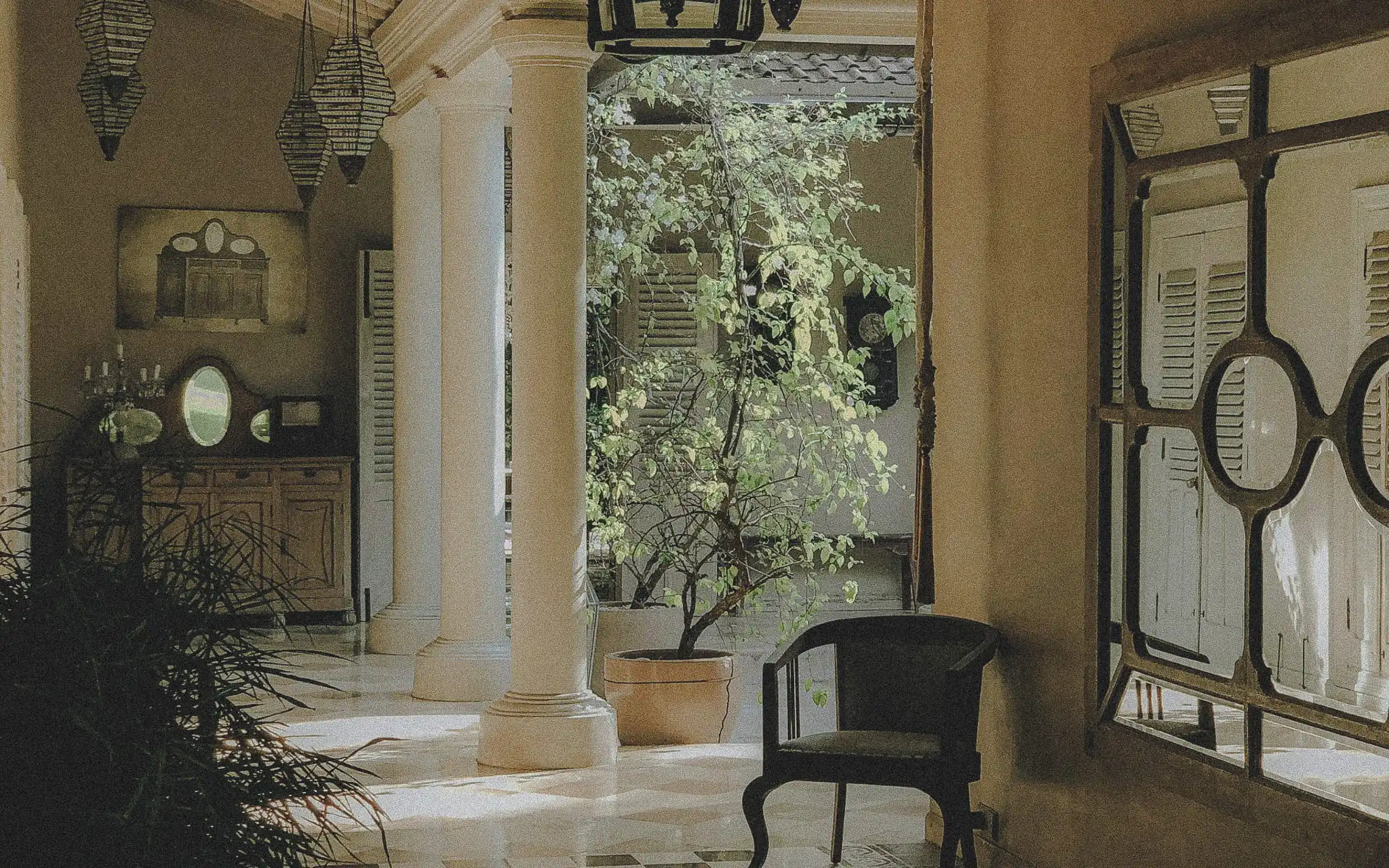
Anyone who’s spent time looking at property in Bali knows the feeling. You walk into an older house and immediately notice the dark tiles, the heavy timber cupboards or the kitchen that hasn’t changed since 2003.
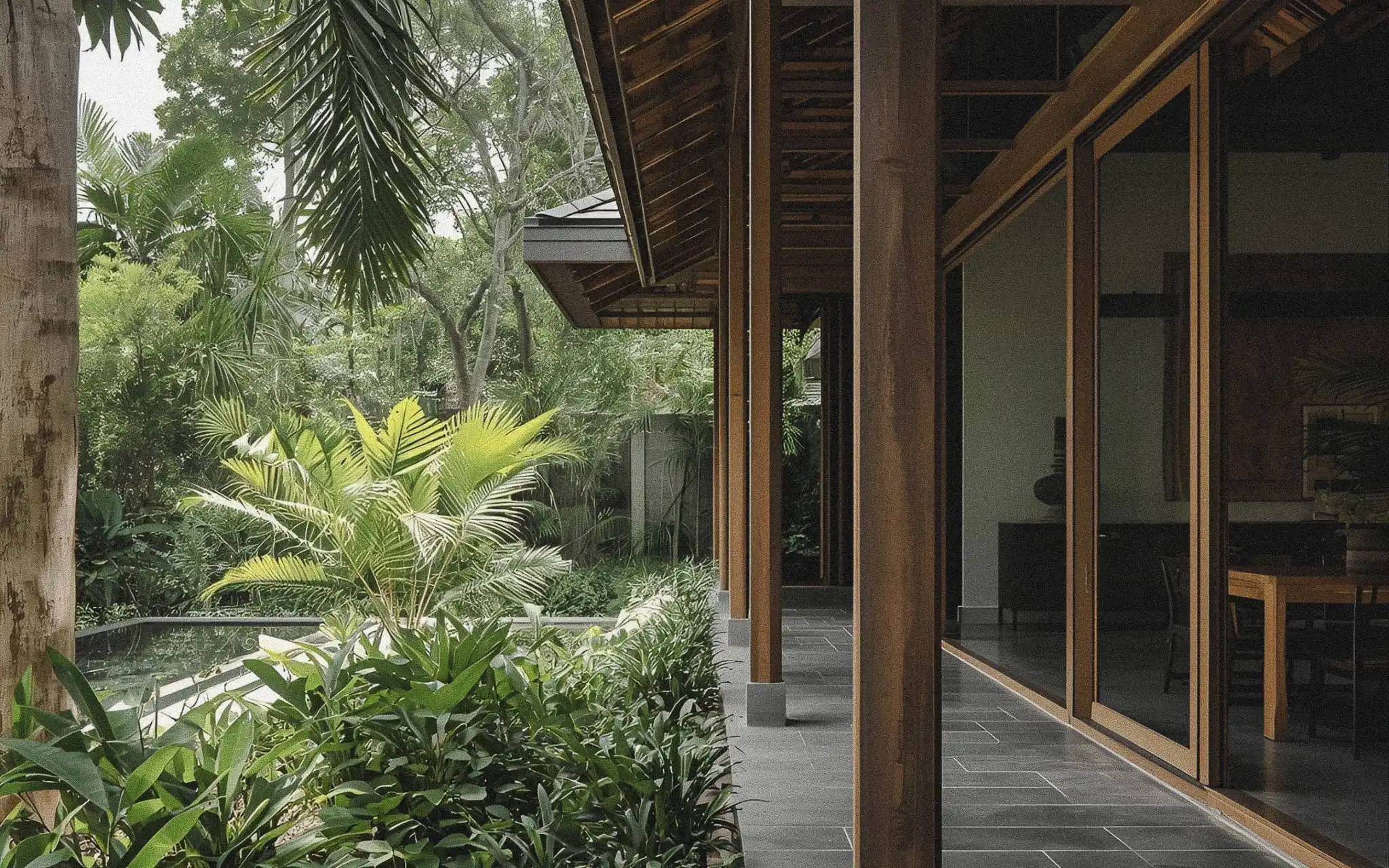
Then you open a door. Suddenly there’s a beautiful breeze moving through the house. Mature trees outside every window. Generous room sizes. A layout that, with a few changes, could become something really special.
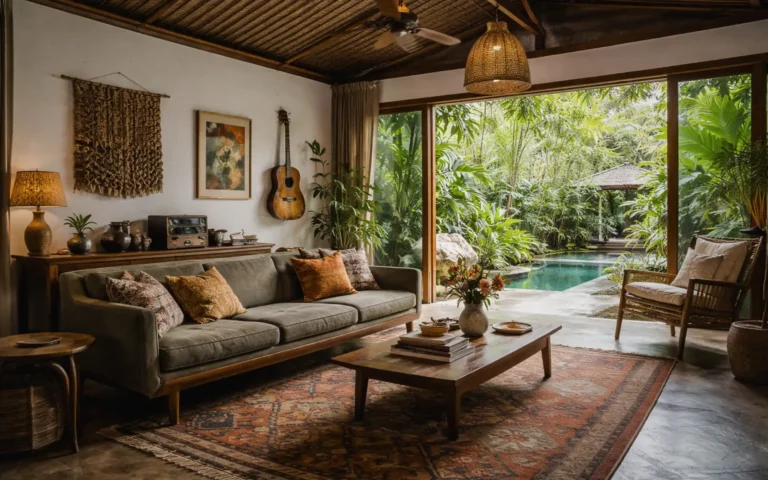
Good renovation isn’t about pretending an old house is perfect. It’s about recognising what’s worth keeping.
The things you can't fast-forward
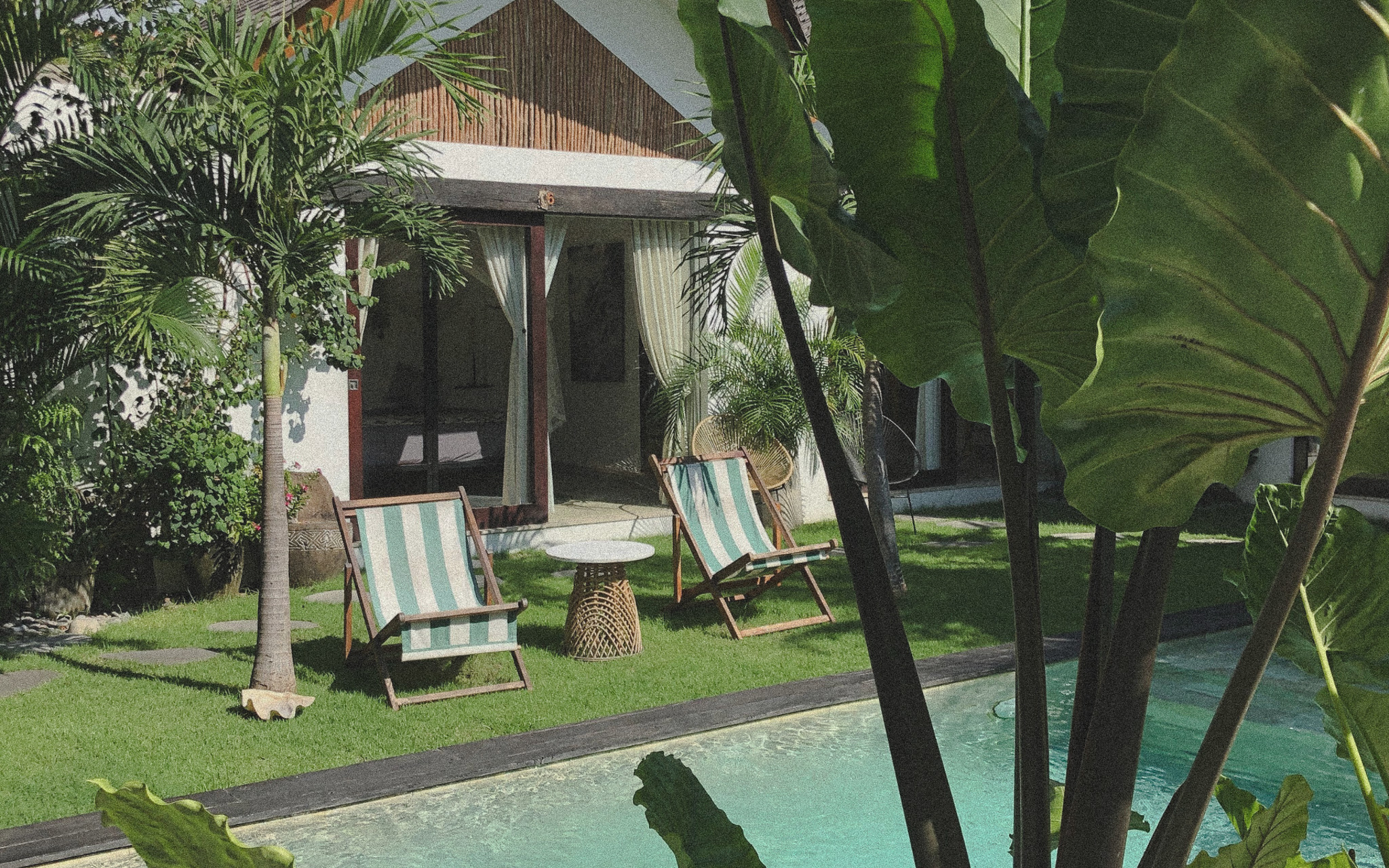
One of the biggest advantages of an older property often has nothing to do with the building itself. It’s the landscape. You can build a new villa in a year, but you can’t build a twenty-year-old frangipani tree.
Established gardens provide shade, cool outdoor spaces and a sense of maturity that’s almost impossible to recreate overnight. The same goes for large native trees that have spent decades becoming part of the site. Sometimes preserving those things has just as much value as creating something new.
Better performance doesn't always mean starting over
Renovation isn’t what it used to be. Architects can now test daylight, airflow and solar heat before construction even begins, helping them make better decisions long before anyone picks up a hammer.
Combined with relatively simple improvements like deeper overhangs, better cross ventilation, more efficient glazing or updated lighting and cooling systems, an existing home can often become significantly more comfortable while using less energy. It’s not about making an old house look new. It’s about making it work better.
Building with a lighter touch
At Des Res Bali, we’ll never stop celebrating thoughtful new architecture, but we’re just as interested in projects that show restraint. Homes that keep mature trees, renovations that preserve good craftsmanship, designers who ask, “What can we work with?” before they ask, “What should we knock down?” Because sustainability isn’t always about adding more. Sometimes it’s about recognising the value that’s already there.