Tropical architecture is remarkably easy to reduce to a look.
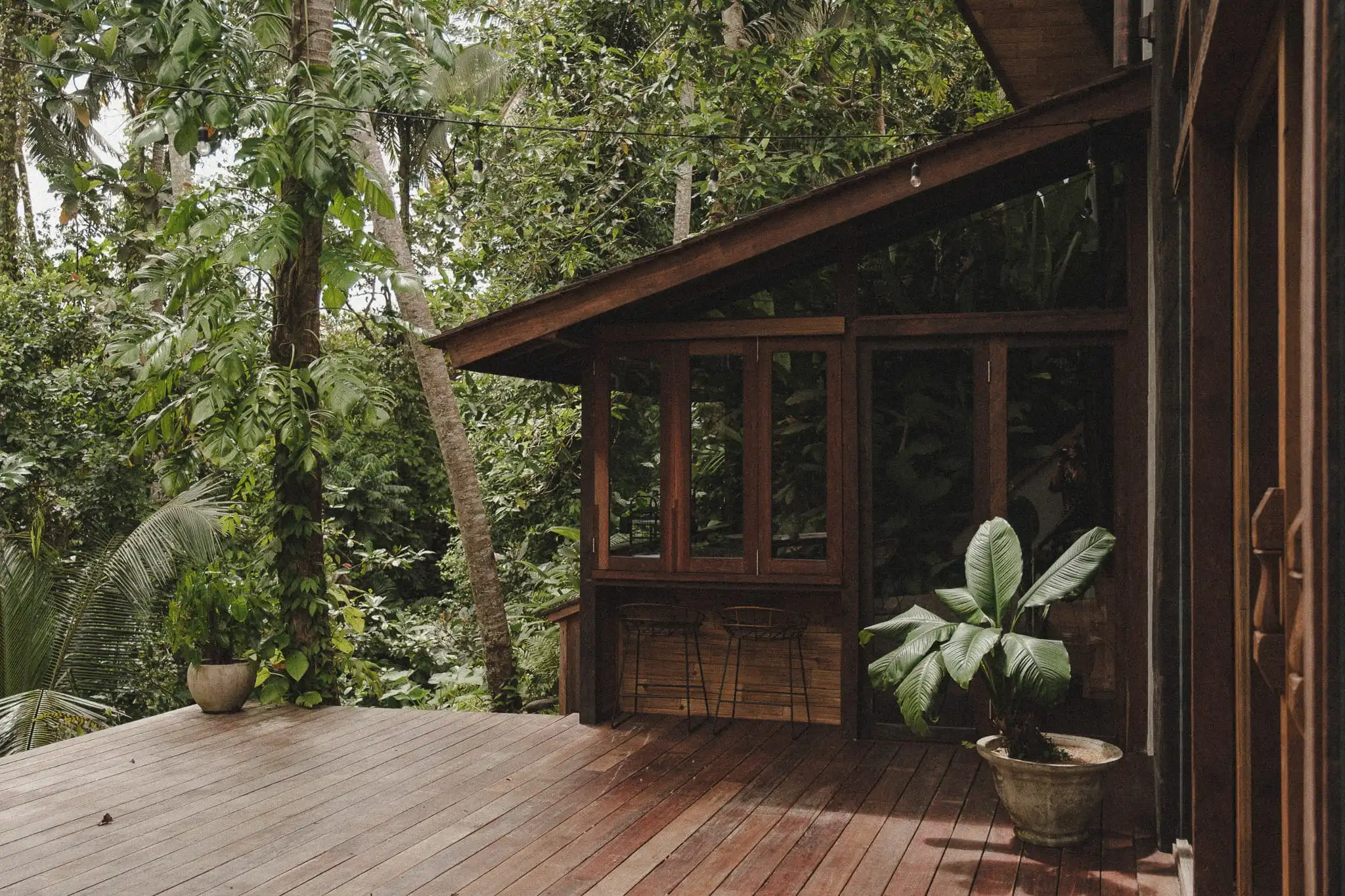
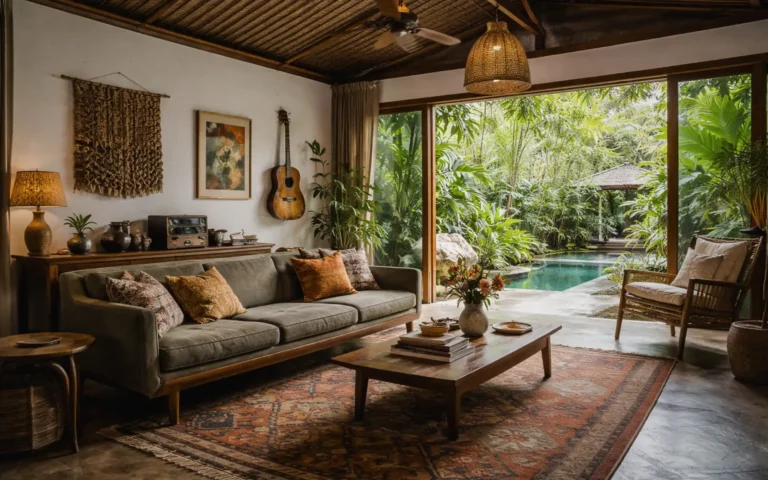
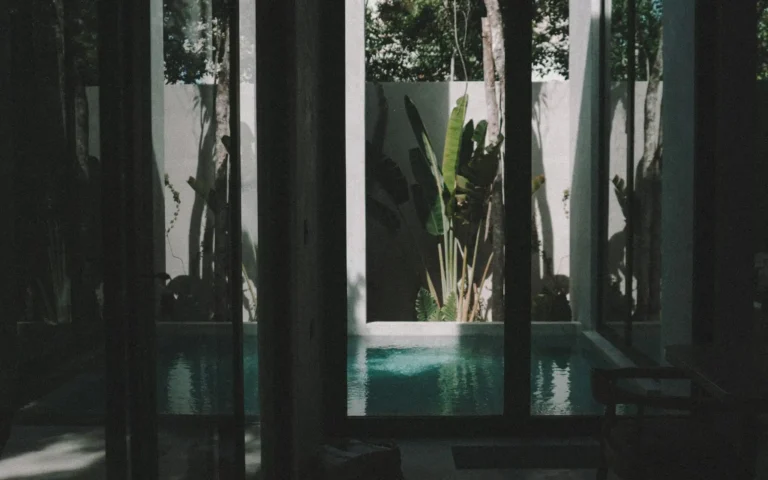
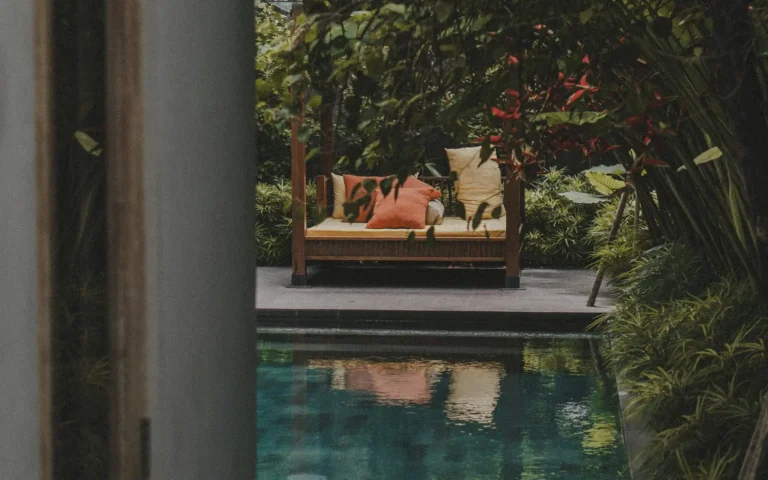
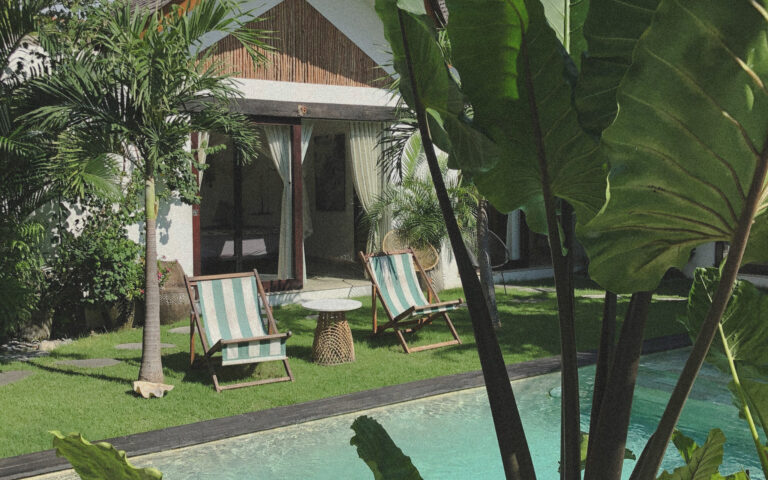
Exposed concrete. Warm timber. Floor-to-ceiling glass. Linen sofas. A pool disappearing into lush greenery.
Those elements can be beautiful, but they’re not what makes a building truly tropical.
Climate does.
Long before an architect starts thinking about finishes or furniture, the most successful tropical homes respond to the environment around them. Where does the morning sun fall? Which direction do the prevailing winds come from? How can deep overhangs provide shade without blocking natural light? Where will heavy rain go during the wet season?
These aren’t glamorous questions, but they shape how a home feels every single day.
It’s one of the reasons traditional architecture across Indonesia still has so much to teach us. Generous rooflines, naturally ventilated spaces and a close relationship with the landscape weren’t aesthetic choices first—they were practical responses to a demanding climate.
The best contemporary tropical architecture follows the same philosophy.
Today’s architects have access to sophisticated digital tools that can model daylight, airflow and thermal performance long before construction begins. Yet rather than replacing timeless design principles, these technologies often reinforce them. The goal isn’t to outsmart the climate—it’s to understand it.
Style matters, of course. Materials matter too.
But when climate comes first, beautiful architecture tends to follow naturally.
Perhaps that’s why the most memorable tropical homes rarely feel as though they’re trying too hard. They simply feel comfortable, connected to their surroundings and perfectly at home where they are.
And in the tropics, that may be the greatest luxury of all.