What Does a “Luxury Villa” in Bali Actually Mean Anymore?
By Des Res Bali
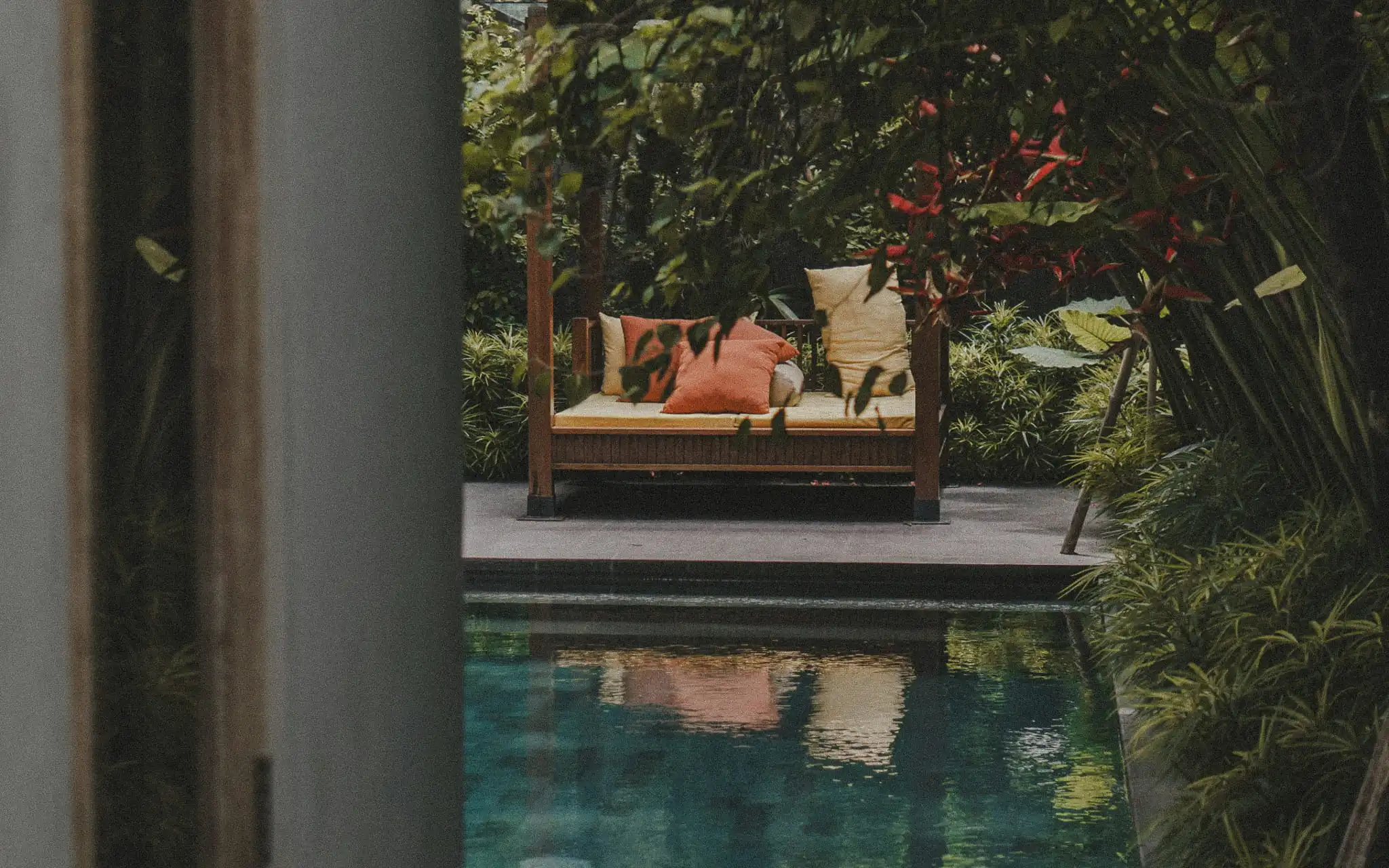
Photo by Polina Kuzovkova
In Bali property listings, almost everything is luxury now.
Luxury villa. Ultra-luxury villa. Luxury tropical living. Mediterranean-style luxury villa (yes, in Bali). Add a plunge pool, some polished concrete, a freestanding bathtub and a particularly photogenic palm tree, and apparently we’re there.
But what actually makes a Bali villa feel luxurious?
Increasingly, we suspect it has very little to do with how expensive it looks.
Bigger isn't necessarily better
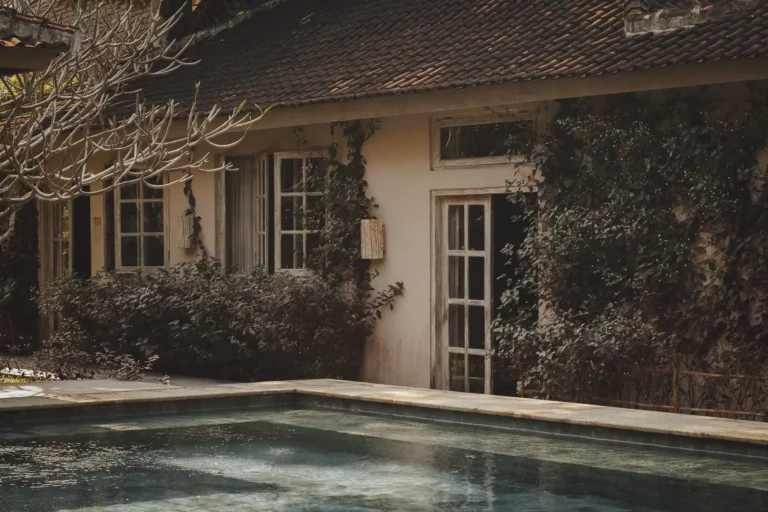
Some of Bali’s most compelling homes aren’t particularly large. What they do have is proportion, privacy, good light, mature planting and spaces that feel considered rather than simply filled.
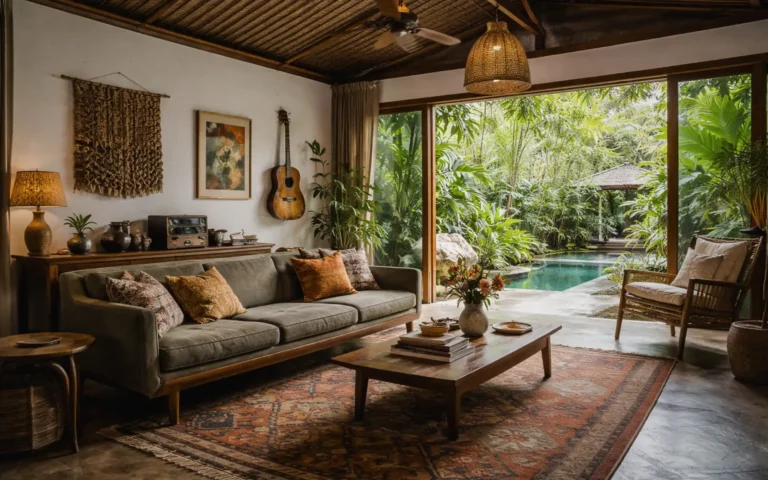
A smaller home that opens beautifully onto a garden can feel infinitely more generous than an enormous villa squeezed onto an overdeveloped plot.
The same goes for architecture. More bedrooms, bigger bathrooms and soaring ceilings don’t automatically make a space better. Sometimes they just make it bigger. And we’re not arguing against big — a great big house is still a great house. But size on its own isn’t much of an achievement.
Comfort is harder to photograph
There are things you notice immediately when you walk into a beautiful villa. Then there are the things you discover after living there for a week.
Does air actually move through the house? Is there somewhere shady to sit at two in the afternoon? Can you sleep without hearing the neighbours? Does the bedroom stay cool? What happens when it rains?
And maybe that’s where a different definition of luxury starts to emerge.
Materials that are allowed to age
Perfect surfaces photograph beautifully. They don’t necessarily stay perfect for very long in Bali.
Humidity, rain, salt air, insects and intense sun are remarkably good at exposing materials that were chosen for appearance rather than longevity.
Timber that develops character, stone that can take some weather, handmade finishes and materials that can be repaired rather than replaced often become more beautiful with time.
As parts of Bali become denser, space itself is changing.
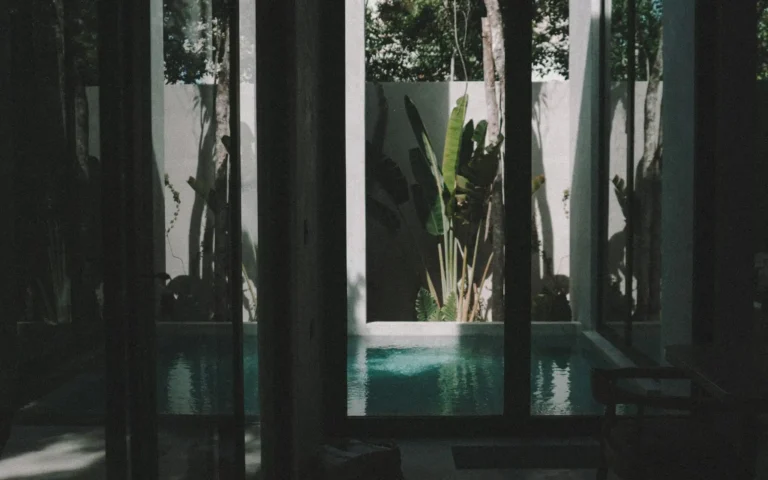
That doesn’t necessarily mean everyone needs a giant plot surrounded by enormous walls. Thoughtful orientation, planting, setbacks, screening and carefully considered sightlines can create privacy even on relatively compact sites.
Often times, being able to sit outside without feeling overlooked—or sleep without hearing what’s happening next door—feels considerably more luxurious than another oversized swimming pool.
Maybe “luxury” isn't the right word
The Bali homes we return to again and again aren’t necessarily the grandest or most expensive. They’re the ones that feel good.
They respond to the climate. They make room for landscape. They use materials thoughtfully. They offer privacy without shutting themselves away from their surroundings.
None of that is particularly flashy.
But in a place where almost everything seems to be marketed as luxury, maybe thoughtfulness is the rarer thing.