How Much Does It Cost to Build a Luxury Villa in Bali?
(With 2026 insights, cultural awareness & industry guidance)
A Quick Heads-Up: We’re not real estate agents or legal professionals—just media pros based in Bali with a genuine interest in this subject from various perspectives, including those of developers, locals, residents, architects, and property owners. The numbers and insights shared in this piece come from a mix of public data, conversations, and industry sources—they’re ballpark estimates for 2025/2026. These figures are directional, not definitive—and since things move fast in Bali, always double-check with a trusted local expert before making any big decisions.
So, You Want to Build a Villa in Bali?
Whether you’re dreaming of a jungle retreat in Ubud or a sleek surf pad in Canggu, the question we hear all the time is: how much is it actually going to cost to build?
The short answer: it really depends.
But here’s a breakdown based on recent builds we’ve seen and conversations with industry folks on the ground.
Note: As of this writing, $1 USD is around Rp 16,000. All prices below are in Indonesian Rupiah (IDR) to reflect local standards.
What's the Cost Per Square Meter
Construction prices in Bali vary wildly depending on location, materials, team, and design ambition. Here’s a rough breakdown (2025-2026 estimates):
Budget Build (local materials, simple finishes): Rp 8 million – Rp 13 million per m²
Mid-Range Villa (better materials, decent design): Rp 13 million – Rp 24 million per m²
Luxury Build (custom design, high-end finishes): Rp 24 million – Rp 48 million+ per m²
The Main Costs of Building a Bali Villa
1. Land Acquisition
Land pricing depends on where you buy and what the zoning allows. Here’s a general feel for recent market activity:
Canggu & Berawa: Rp 13 million – Rp 32 million per m²
Uluwatu: Rp 5 million – Rp 16 million per m²
Ubud: Rp 3 million – Rp 11 million per m²
Seminyak: Rp 16 million – Rp 48 million per m²
Tabanan (Emerging): Rp 1.5 million – Rp 5 million per m²
A 10-are (1,000 m²) plot in Canggu could easily hit Rp 16 billion+, while the same in Tabanan might still be under Rp 2 billion.
2. Design & Architecture
A great architect is totally worth it—bad design could end up costing you a lot more in the long run.
Local Architect: Rp 80 million – Rp 240 million
High-End, Boutique Architect: Rp 320 million+
3. Permits & Legal Stuff
These aren’t optional. If you plan to build legally, here’s what you might expect:
IMB or PBG (Building Permit): Rp 48 million – Rp 80 million
Notary & Legal Fees: Rp 32 million – Rp 80 million
PT PMA Setup (for foreign ownership): Rp 80 million – Rp 160 million
Note: There have been cases of villas demolished or frozen in court over missing paperwork. Make sure to do your due diligence, as rules may have changed since this writing. Always stay informed.
4. Construction Costs
The contractor you choose plays a huge role in how smooth—or nightmarish—your build will be.
Basic Contractor: Rp 8 million – Rp 16 million per m²
Mid-Range Contractor: Rp 16 million – Rp 24 million per m²
Luxury Contractor: Rp 24 million – Rp 48 million+ per m²
Some go cheap and end up redoing roofs, plumbing, or drainage within a year. Others spend more upfront and sleep better later.
5. Interiors, Pools & Landscaping
Finishing a villa takes more than furniture—it’s about vibe, flow, and functionality.
Furniture & Interior Styling: Rp 320 million – Rp 1.6 billion+
Pool & Landscaping: Rp 160 million – Rp 800 million
Luxury Touches: Custom carpentry, imported materials, smart home tech can easily push budgets into the high-end range
6. Hidden/Surprise Costs
Everyone has them. Here are a few common ones:
Land Clearing & Site Prep: Rp 80 million – Rp 320 million
Utilities & Infrastructure (well, septic, electricity, road access): Rp 80 million – Rp 480 million
Delays, Inflation, Rainy Season Issues: Add 10–20% buffer to your total budget
How Long Does It Take to Build?
On average, 12 to 18 months from land purchase to move-in. Anything faster might be a red flag—unless you’ve got a top-tier team and zero bureaucratic hiccups.
Build vs. Buy: What’s Better?
Build if: You want a custom design, plan to live here long-term, or want a lower cost per m² over time.
Buy if: You want something move-in ready, hate construction drama, or find a killer resale deal.
Some people even buy older villas, renovate them with modern interiors, and skip the whole ground-up process.
Current Regulatory Environment
In 2025, authorities have demonstrated increased enforcement of land-use regulations, particularly in coastal zones, with several high-profile compliance actions affecting existing businesses and developments.
Why this matters for villa builders:
Growing scrutiny around legal compliance, especially near sensitive areas
Clear spatial permits (IMB/PBG) are essential from project start
Cultural consultation and community engagement are becoming more important
Tips for Ethical Building
Think renovation before new build, especially on developed or sensitive land.
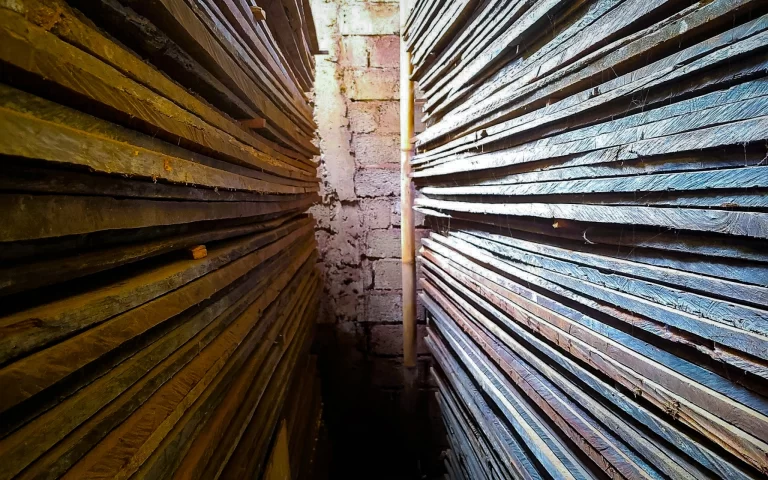
Source locally, use reclaimed teak or native stone—and hire Balinese craftsmen where possible.
Get every permit early, not later. Coastal zones are under new pressure.
Engage respectfully with local banjars (villages). It builds goodwill—and may help with approvals.
Final Thoughts: Is Building a Bali Villa Worth It?
There are examples of it going beautifully… and examples of it going sideways.
When it works, building a villa here can be an incredible investment and a dream come true. Just go into it eyes wide open, work with experienced professionals, and get everything in writing.