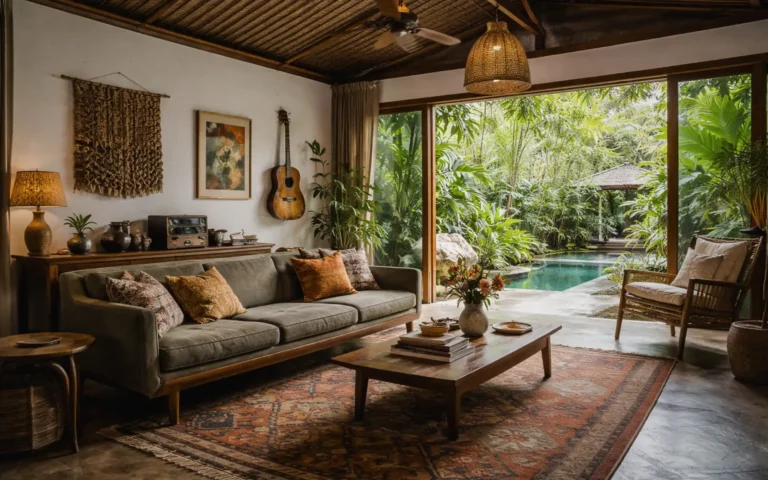
Timeless Bali Homes: Lessons in Design, Comfort & Craftsmanship
By Des Res Bali
Quick Note: We’re not architects, engineers, or structural consultants. Every Bali home and villa is unique — layouts, materials, climate exposure, and site conditions vary widely. This piece is editorial and pattern-based, not technical advice. Always consult experienced local professionals when planning a build or renovation.
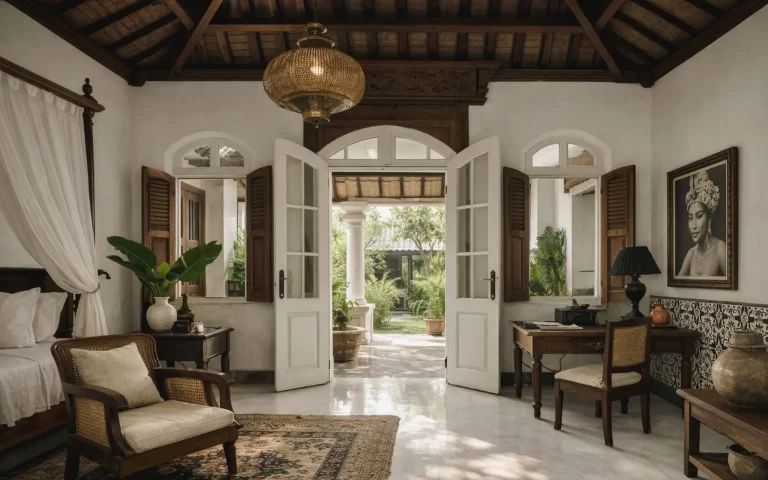
There’s a certain feeling when a Bali home just… feels right. You step inside, and it makes sense. The air moves freely. Light pools on textured floors. Doors frame lush gardens, pools, and terraces. Not every villa gets it right. But those that do have something in common: a design language shaped by climate, culture, and everyday life in the tropics.
So what makes a home timeless here? And how can these lessons apply to your villa — whether it’s a fresh build, a thoughtful renovation, or a modern reinterpretation?
Open Layouts That Celebrate Indoors + Outdoors
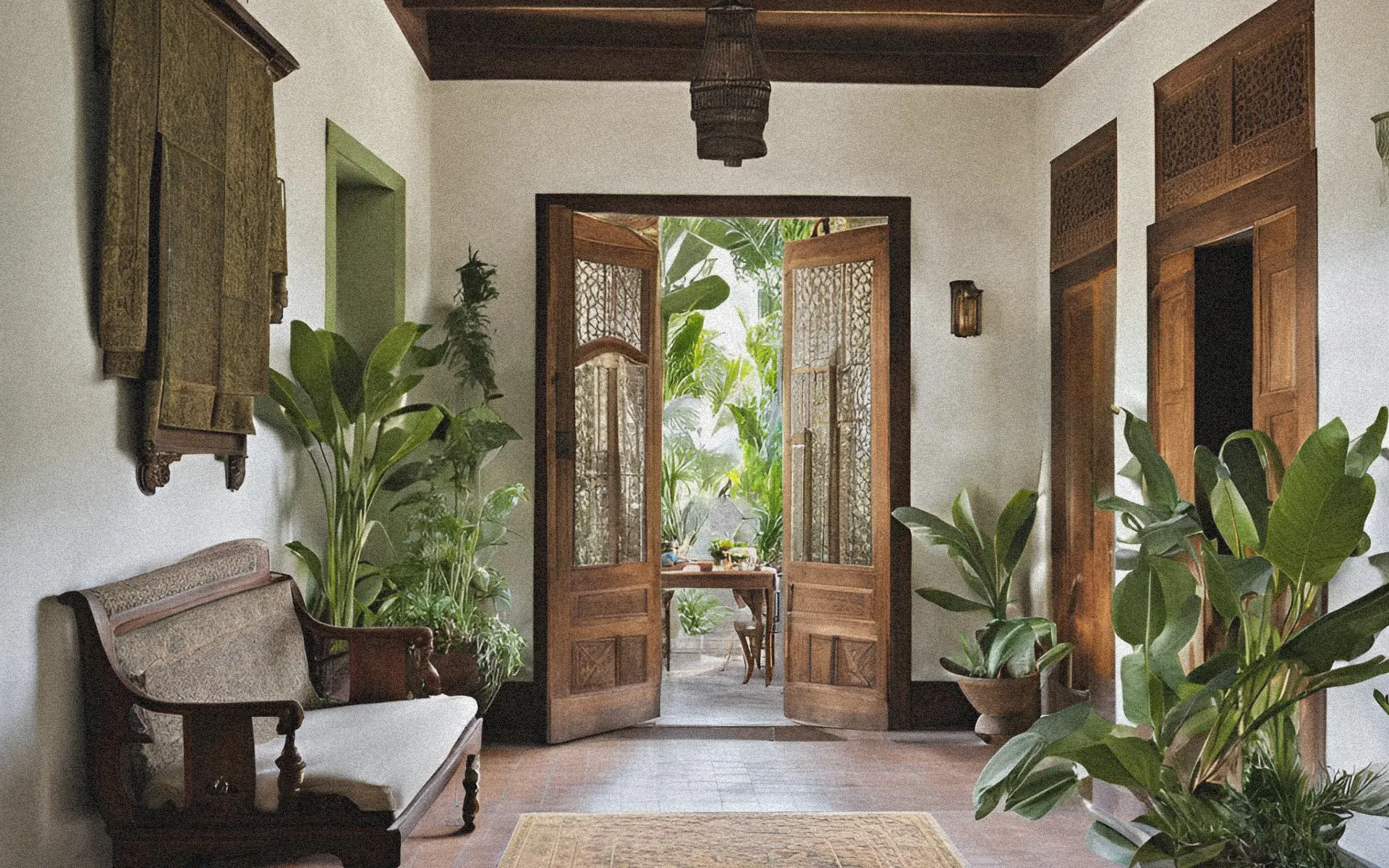
Step into a traditional Balinese compound and you’ll notice how spaces flow. Separate pavilions — sleeping, living, dining — wrap around a central courtyard. Doors and verandas are generous, letting breezes and light move freely.
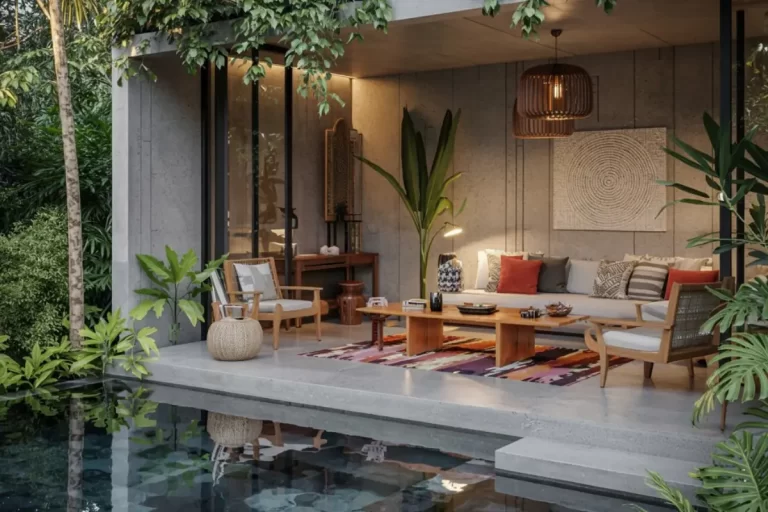
It’s not just aesthetic. Air circulates naturally. Rooms feel larger. Interiors connect to gardens, pools, and sky. Even contemporary villas honor this principle: sliding glass doors, covered terraces, and open-air pavilions maintain that dialogue with the outdoors.
Design takeaway: If a villa doesn’t feel airy, connected, and alive with its landscape, it can never feel authentically Balinese — no matter how glossy the finishes.
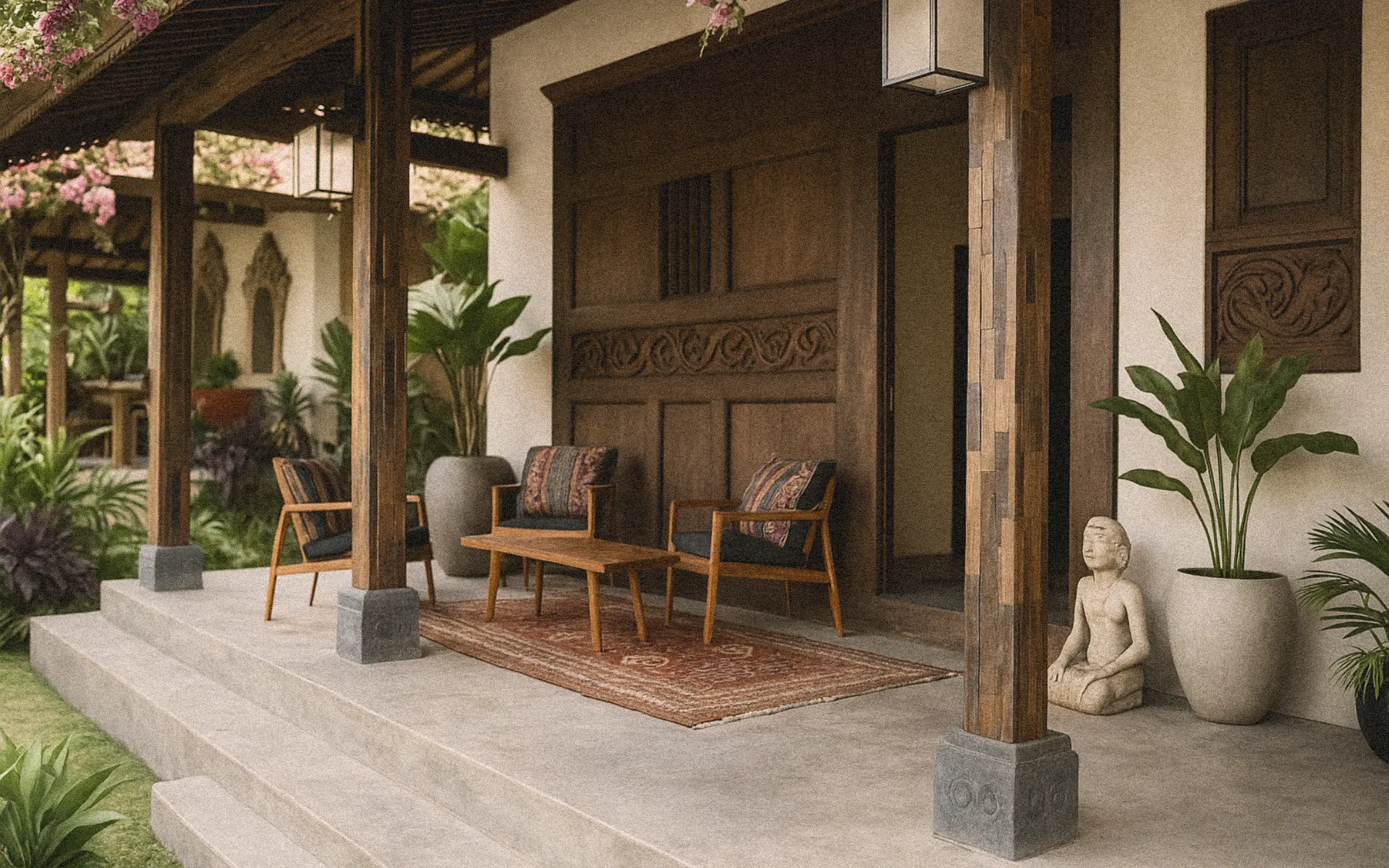
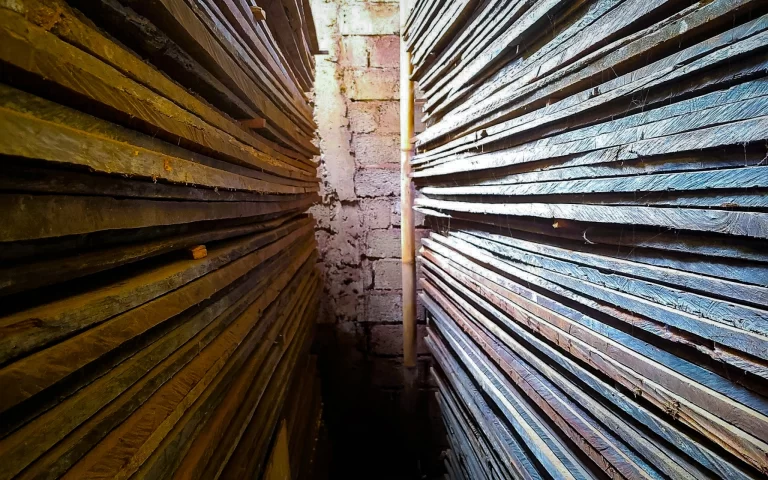
The most enduring homes in Bali favor materials that respond to heat, humidity, and time. Teak, bamboo, volcanic stone, rattan, and thatched alang-alang roofs aren’t just pretty. They breathe with the climate. They provide comfort underfoot. They feel natural in the landscape.
Layered textures — stone floors, timber beams, woven screens — give a sensory depth that synthetic materials struggle to replicate. These aren’t trends; they’re tools for durability and timelessness.
Design takeaway: Prioritize materials that age gracefully, suit the climate, and create a tactile connection to place.
Planning for Comfort & Flow
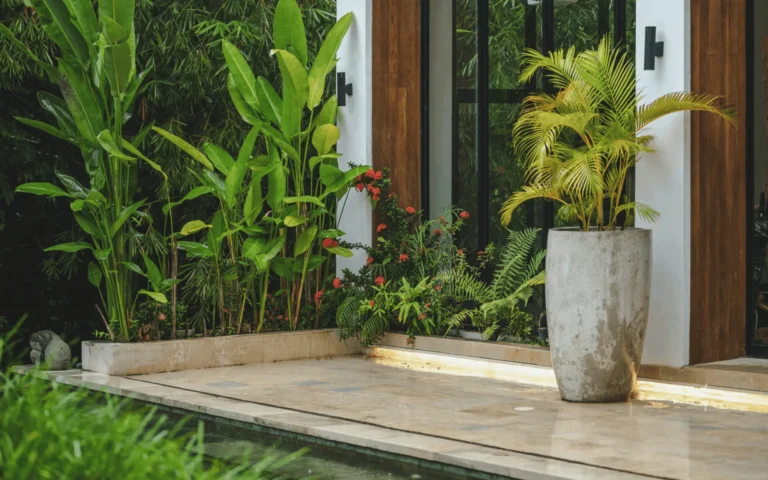
Balinese design is as much about function as it is about form. Homes are rarely boxed in. Instead, they’re oriented to breezes, shade, and natural cooling. Open layouts, courtyards, and roof overhangs work together to manage sun and rain. Pools, ponds, and gardens contribute passive cooling.
The philosophy aligns with Tri Hita Karana — balance between people, nature, and spirit — but it’s also practical. A villa that breathes feels effortless. One that fights its environment always feels forced.
Design takeaway: Let the climate inform the plan. The home should move with the sun, the wind, and daily rhythms.
Privacy Without Isolation
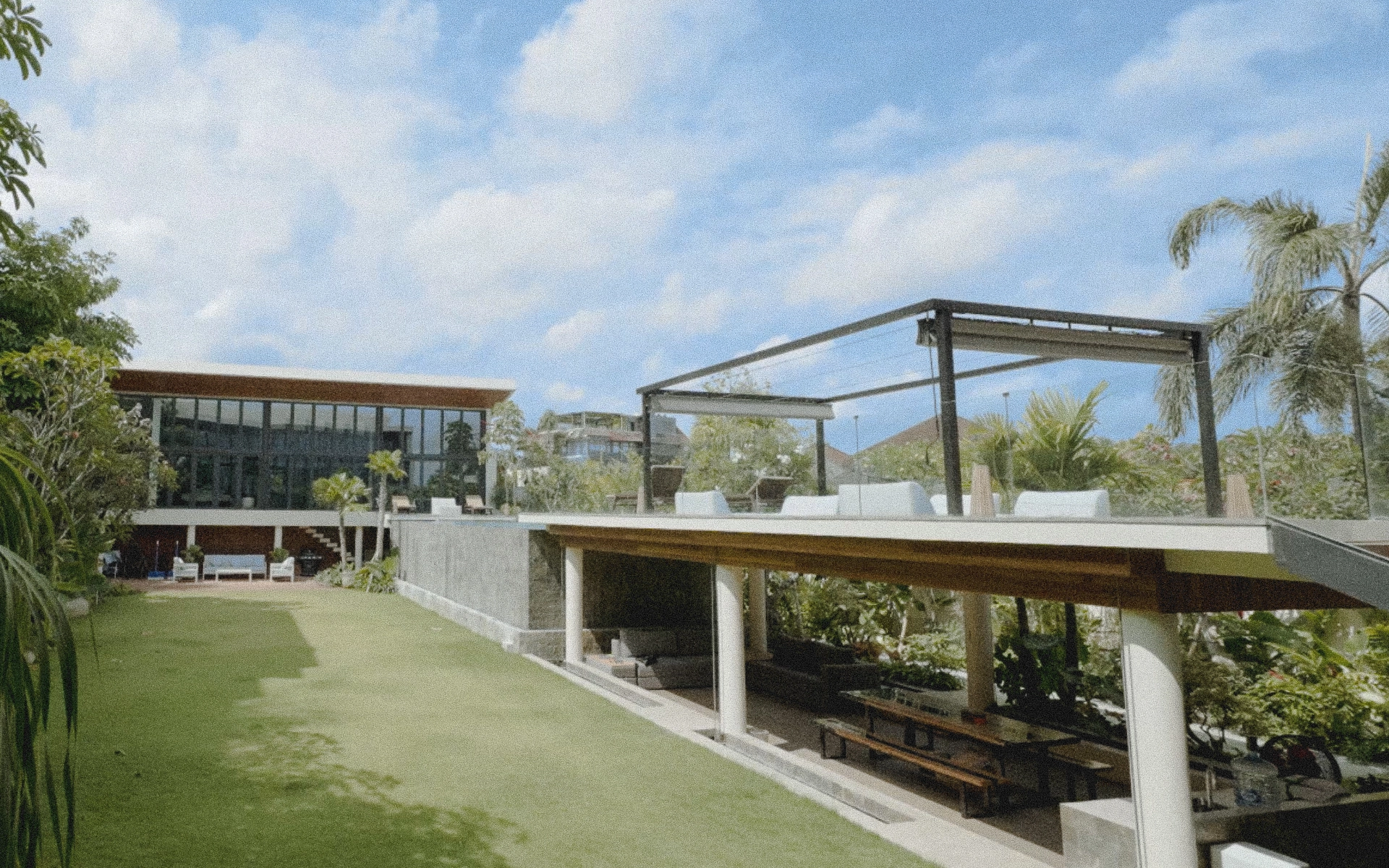
Photo: Des Res Bali | Pictured: The LillyPad
One of Bali’s quiet strengths is how it balances openness and intimacy. Bedrooms tucked away from communal pavilions. Courtyards open to sky but screened from neighbors. Gardens that wrap the home, giving connection without exposure.
Even modern villas borrow this lesson. Layered courtyards, staggered layouts, and landscaped buffers maintain a sense of calm, no matter the scale.
Design takeaway: Think in layers — spaces should feel connected yet private, lively yet restful.
Comfort Beyond Aesthetics
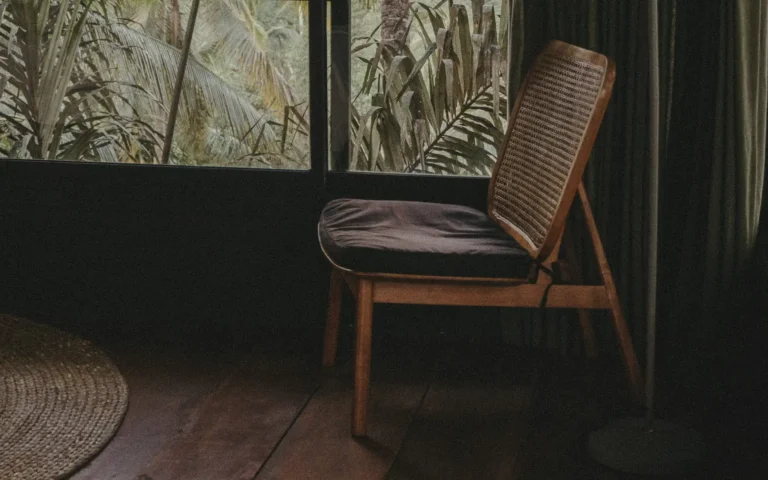
Timelessness isn’t about ornament. It’s about sensory balance: the coolness of stone underfoot, the rustle of palms at sunset, soft natural linens, the rhythm of light and shadow across timber.
Modern interpretations often pair this tactile richness with clean lines, minimalist forms, and smart spatial planning. The result? A home that feels alive, comfortable, and enduring — not trendy.
Design takeaway: Comfort is layered — spatial, material, sensory, and climatic. That’s what separates a home that belongs from one that merely looks like it does.
Lessons for Every Bali Home
There’s no single blueprint for a timeless Bali home. But patterns emerge:
Respond to place and climate. Let the environment shape layouts and materials.
Balance openness with privacy. Connection should never compromise comfort.
Prioritize longevity over ornamentation. Materials and textures matter as much as form.
Think in layers. Airflow, light, landscape, and daily routines all count.
Whether you’re renovating, building new, or sourcing materials for a modern villa, these principles can make any space feel like it belongs in Bali. The homes that age gracefully, that feel “right,” are the ones that embrace these lessons quietly, without shouting.