The 7 Most Common Mistakes People Make When Building in Bali (and How to Avoid Them)
Quick heads up:
We’re not your notaris, architects, or banjar whisperers, so before breaking ground, chat with the real experts — licensed notaries, certified architects, and reputable agencies like Harcourts or Emerhub. This guide shares practical lessons and inspiration, but it’s not a substitute for local, professional advice.
Let’s be honest. Building in Bali is part art, part logistics puzzle, and part cultural navigation. For every jaw-dropping villa or soulful retreat that gets built here, there’s another story of delays, legal trouble, or costly rework.
Whether you’re building your dream home, a commercial space, or a set of villas for short-term rental, there are landmines you’ll want to avoid — many of which don’t exist in your home country.
Here are the seven most common mistakes people make when building in Bali — and how to avoid them from day one.
1. Skipping the Land Due Diligence
This is the #1 reason projects fail before they even begin. That dream plot with ocean views may be zoned green belt (no development allowed), under adat (village customary law), or have multiple silent owners.
Avoid it by:
Working with a notaris who specializes in Hak Pakai or Hak Guna Bangunan (not just Hak Milik for locals)
Getting a zoning certificate (SLF) from the local government
Investigating overlapping claims, usage rights, or unpaid taxes
Bali has no shortage of freelance drafters, but that doesn’t make them architects. The wrong designer can leave you with poor airflow, odd proportions, and spaces that don’t work with the land. And trust us, you’ll feel the difference when your villa turns into a concrete oven.
Avoid it by:
Hiring a registered architect familiar with tropical + seismic design
Asking for 3–5 previous project references
Ensuring your builder and architect collaborate from the start
Keeping up with current Bali villa design trends also helps avoid style and functionality pitfalls.
3. Not Understanding Banjar Dynamics
Even if the land is legally yours, you’ll need the banjar’s blessing. They influence everything from permit signatures to when workers can pour concrete.
Avoid it by:
Introducing yourself early, ideally with a local advisor
Budgeting for regular dana pembangunan contributions
Respecting ceremony days when no construction is allowed
This is where most budgets implode. People plan for walls and roofs, but forget the details that make a villa livable.
Avoid it by:
Budgeting early for stone, hardware, lighting, cabinetry, and furniture
Including landscaping and perimeter walls
Remembering: imported materials aren’t cheap
Here’s the painful truth: You might spend IDR 1.6B–3.2B on structure, but finishing and furnishing will easily tack on another IDR 800M–1.6B. It’s where budgets go to die.
For a detailed breakdown of what luxury villa construction actually costs in Bali — from foundation to that final Instagram-worthy shot — check out ourcomprehensive cost guide.
6. Choosing the Wrong Build Contract (or None at All)
Verbal agreements are handshakes. Contracts are insurance. Without one, you’re gambling.
Avoid it by:
Signing a bilingual (EN + ID) contract
Choosing cost-plus or fixed-fee models intentionally
Staging payments for accountability
More on contracting builders legally in Bali is available at Harcourts Purba Bali.
7. Building for Instagram, Not for the Island
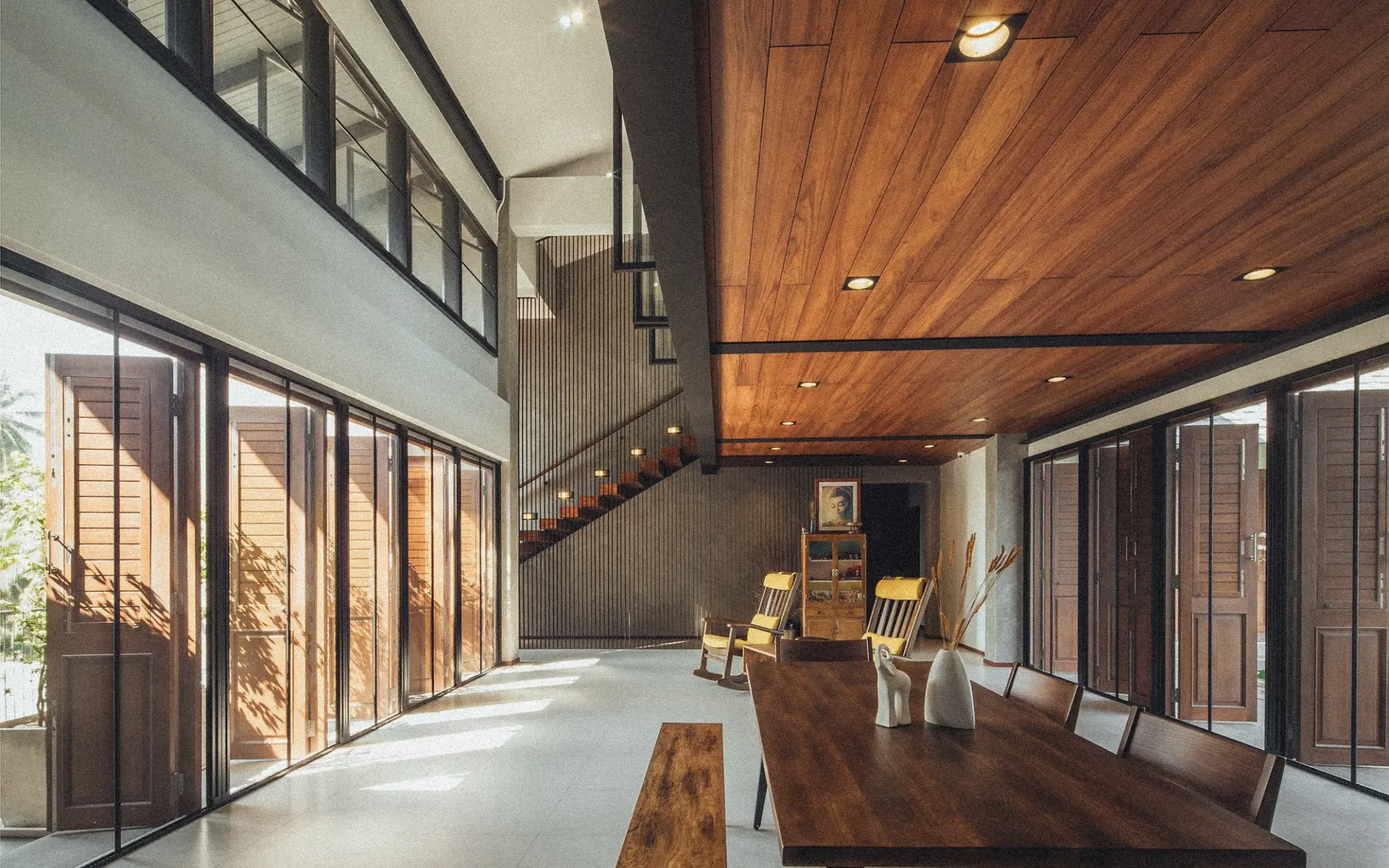
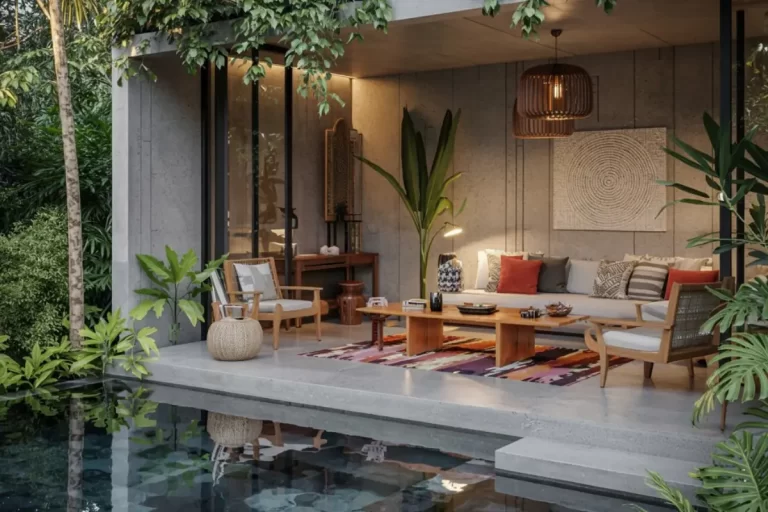
Tropical Brutalism might look stunning online (and it can even be gorgeous in Bali if done right), but without eaves, shade, and natural ventilation, your villa becomes an oven.
Avoid these pitfalls by:
Designing for airflow and shade
Choosing breathable materials
Testing how the layout feels at noon in the dry season
Final Thought
Bali can give you a home like nowhere else — if you respect the land, the culture, and the process. Get it right, and Bali doesn’t just build your villa. It changes your relationship with space, time, and place.
If you found this article helpful, you might also enjoy: