Designing Bali Villas with Purpose: Sustainability Beyond Trend
By Des Res Bali
Quick Note Before You Dive In:
We’re not environmental scientists or architects — just people who live and breathe Bali. Think of this as inspiration, not instruction. Always consult the pros before making structural or eco decisions.
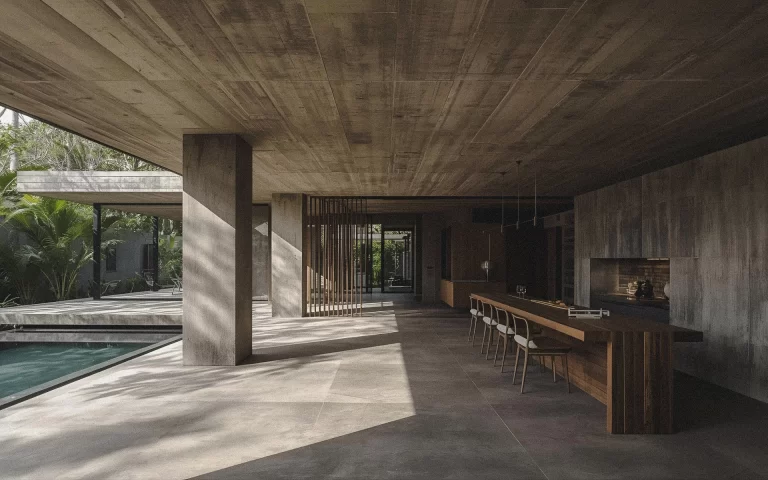
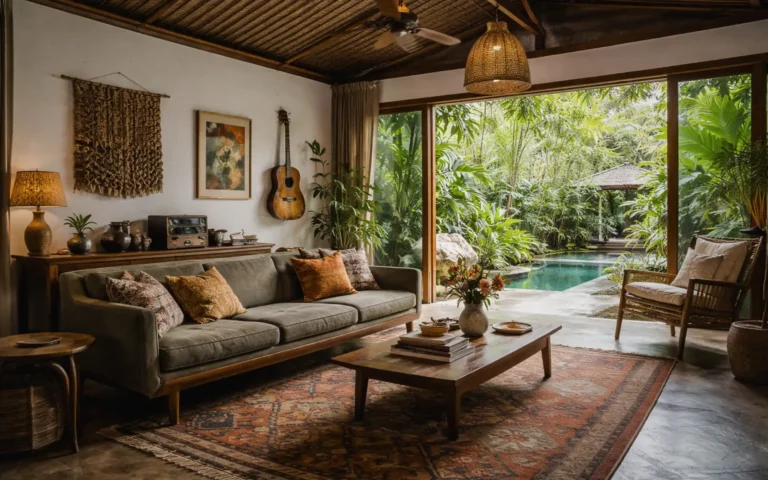
Here’s the thing: sustainable design in Bali isn’t just about checking boxes or looking “green.” Done well, a villa feels light, connected, and responsible. Done poorly, it’s just another Pinterest-perfect but lifeless greenwash — a shiny villa that ignores the island’s rhythm, climate, and communities.
Bali’s climate, culture, and craft traditions demand more than trend-following; they demand mindfulness. Let’s talk about how to do it right.
Tip 1: Materials with History
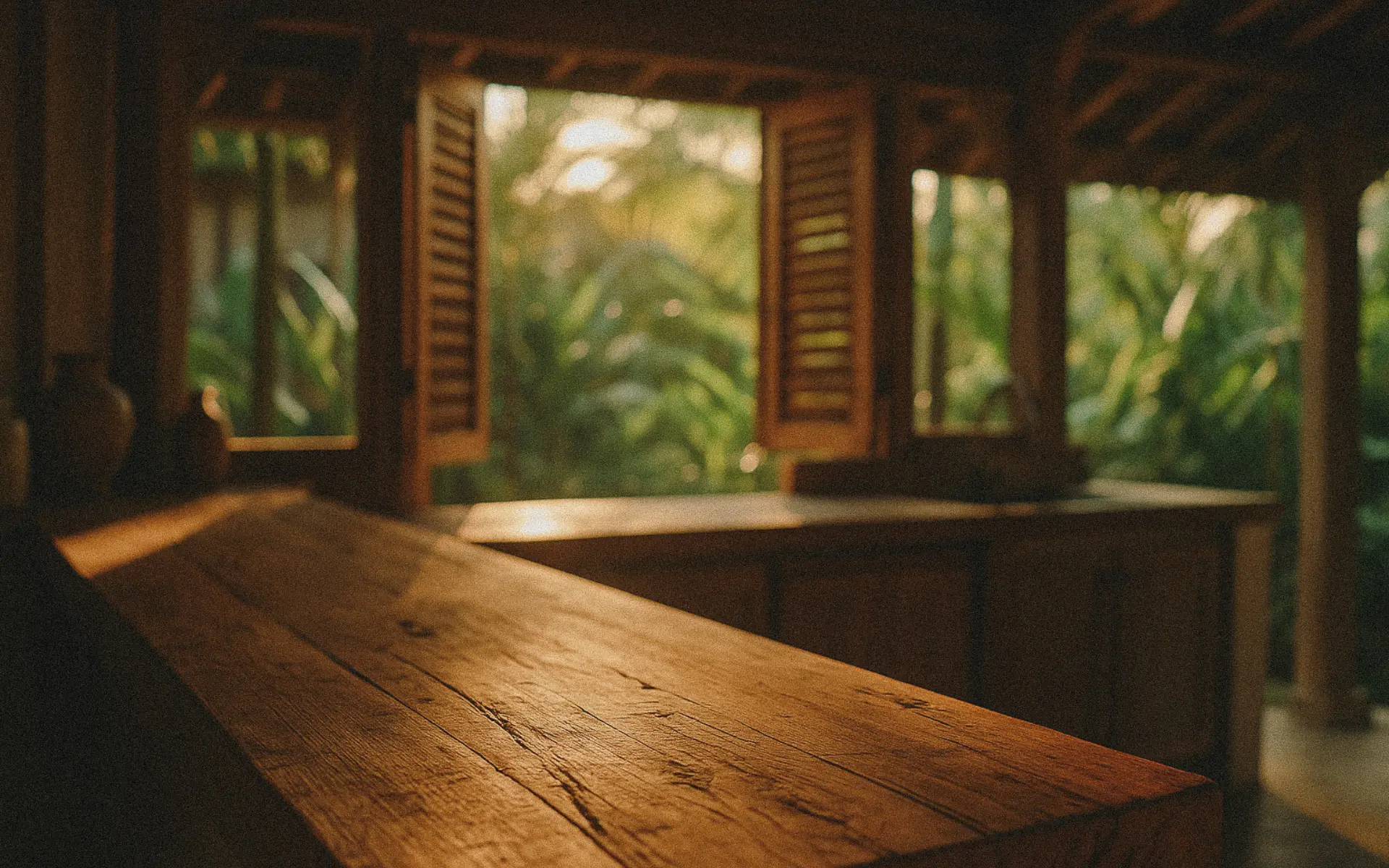
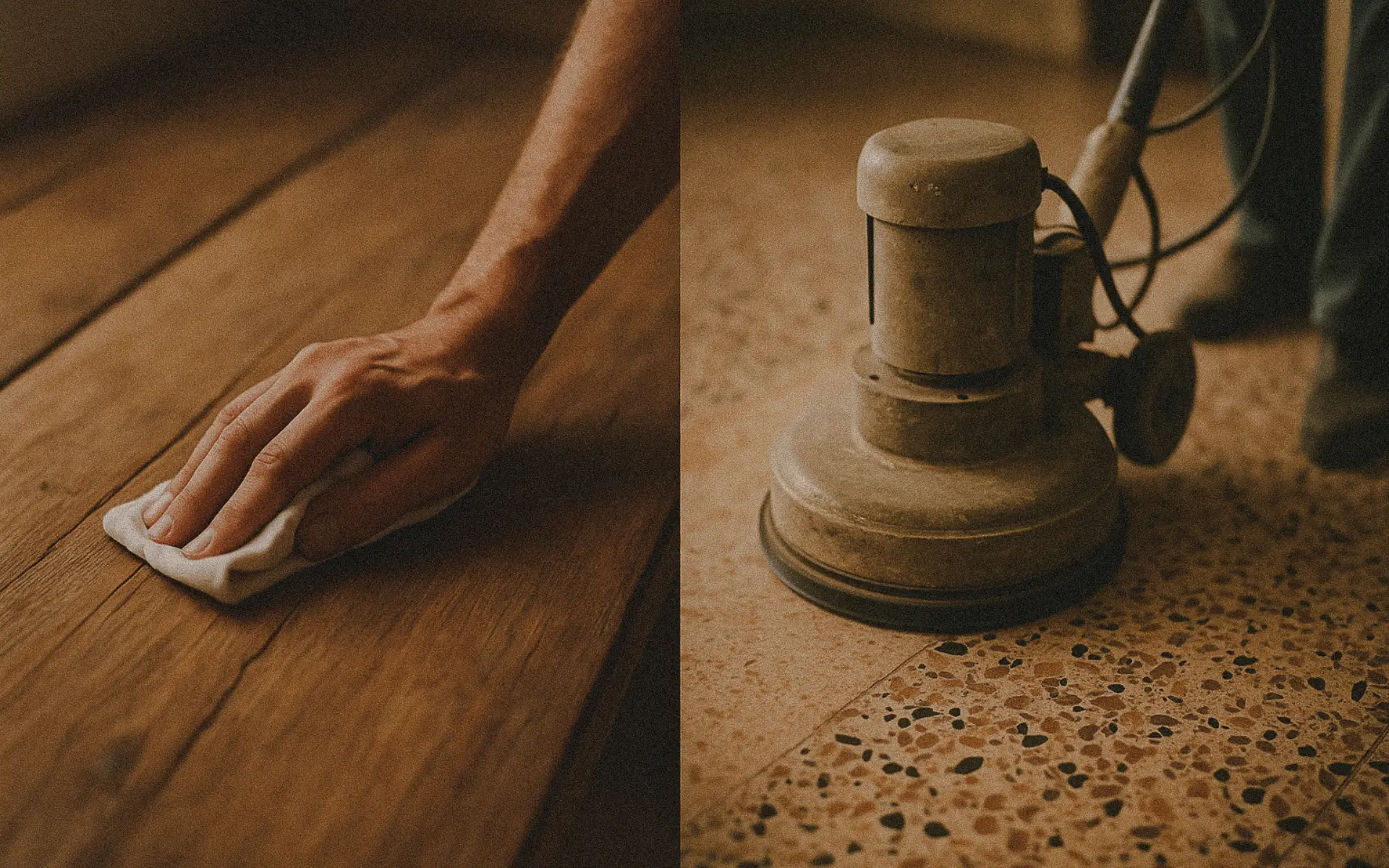
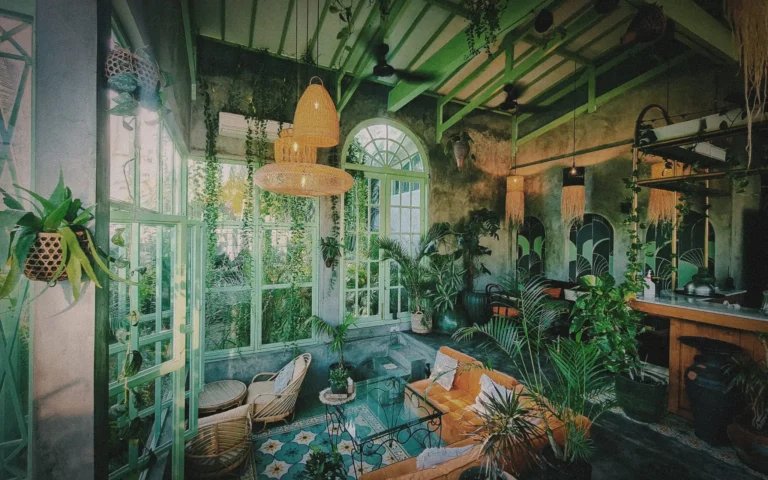
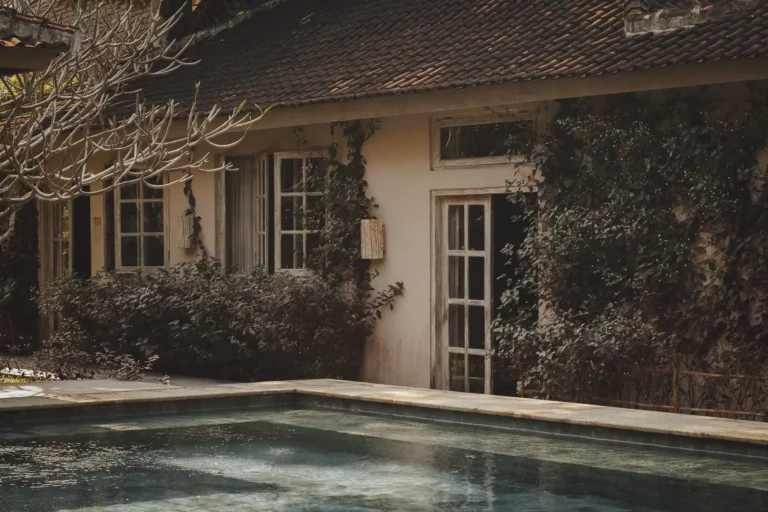
If walls could talk, the ones in Bali would have epic stories. Reclaimed wood, salvaged stone, and vintage tiles aren’t just eco-friendly — they carry decades of Bali’s texture and spirit.
Why this matters: using materials with a story creates instant character. It’s the difference between a villa that feels curated and one that feels imported from, well, anywhere.
Tip 2: Durability Over Drama
We get it: Bali villas look incredible on Instagram. But the real test? Weathering monsoons, salty sea air, and tropical sun without falling apart.
Sustainable design is smart design. That means:
Reinforce wood and steel frames
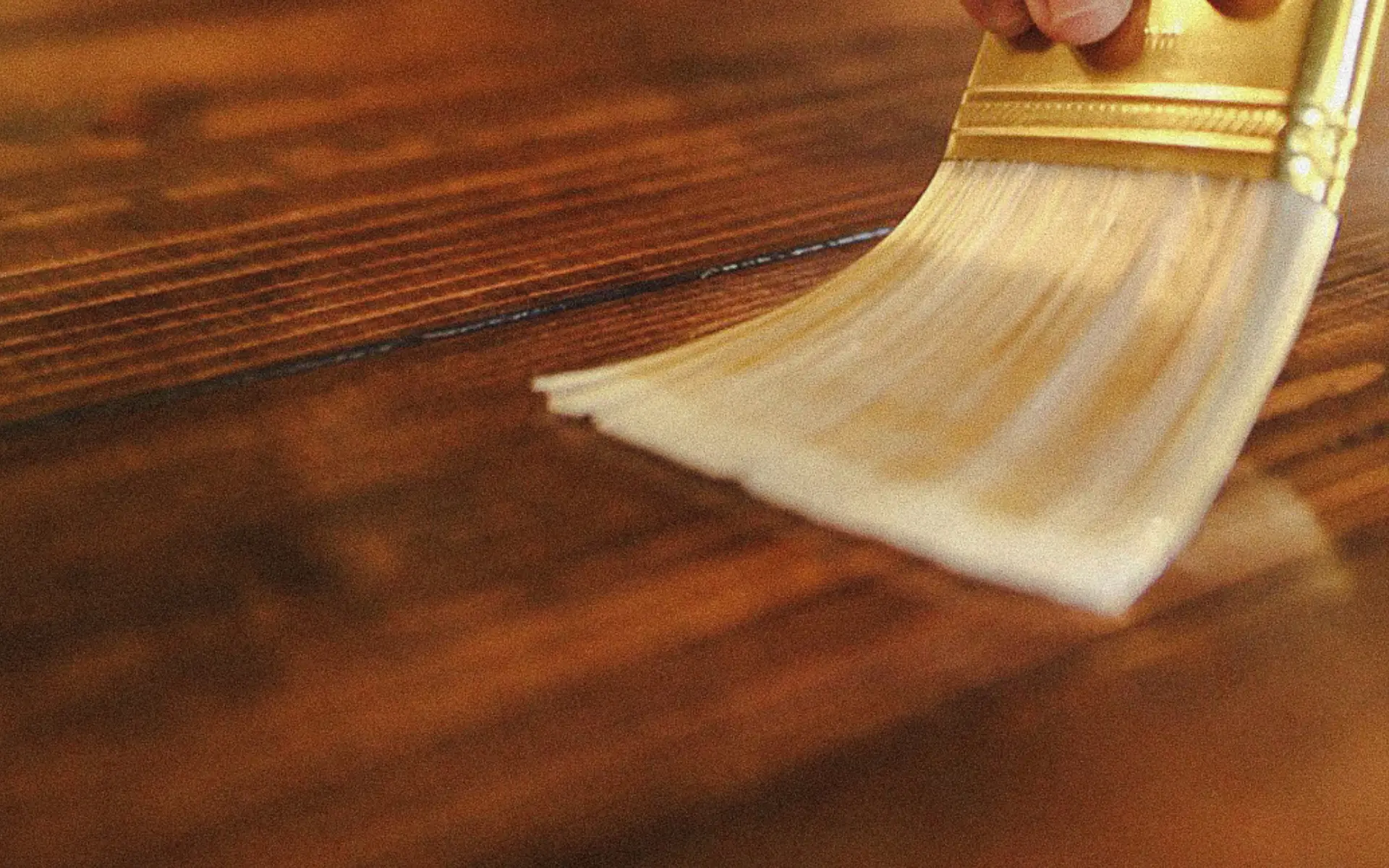
Use corrosion-resistant finishes
Build spaces that adapt to family growth, rainy season, and occasional island chaos
Investing in durability isn’t boring — it’s freeing. When your villa lasts decades, every decorative “wow” moment counts.
Sustainability isn’t just what you see; it’s what hums quietly behind the walls. A villa can look dreamy and still be wasteful — or it can feel effortless and responsible.
Think:
Solar panels and battery storage
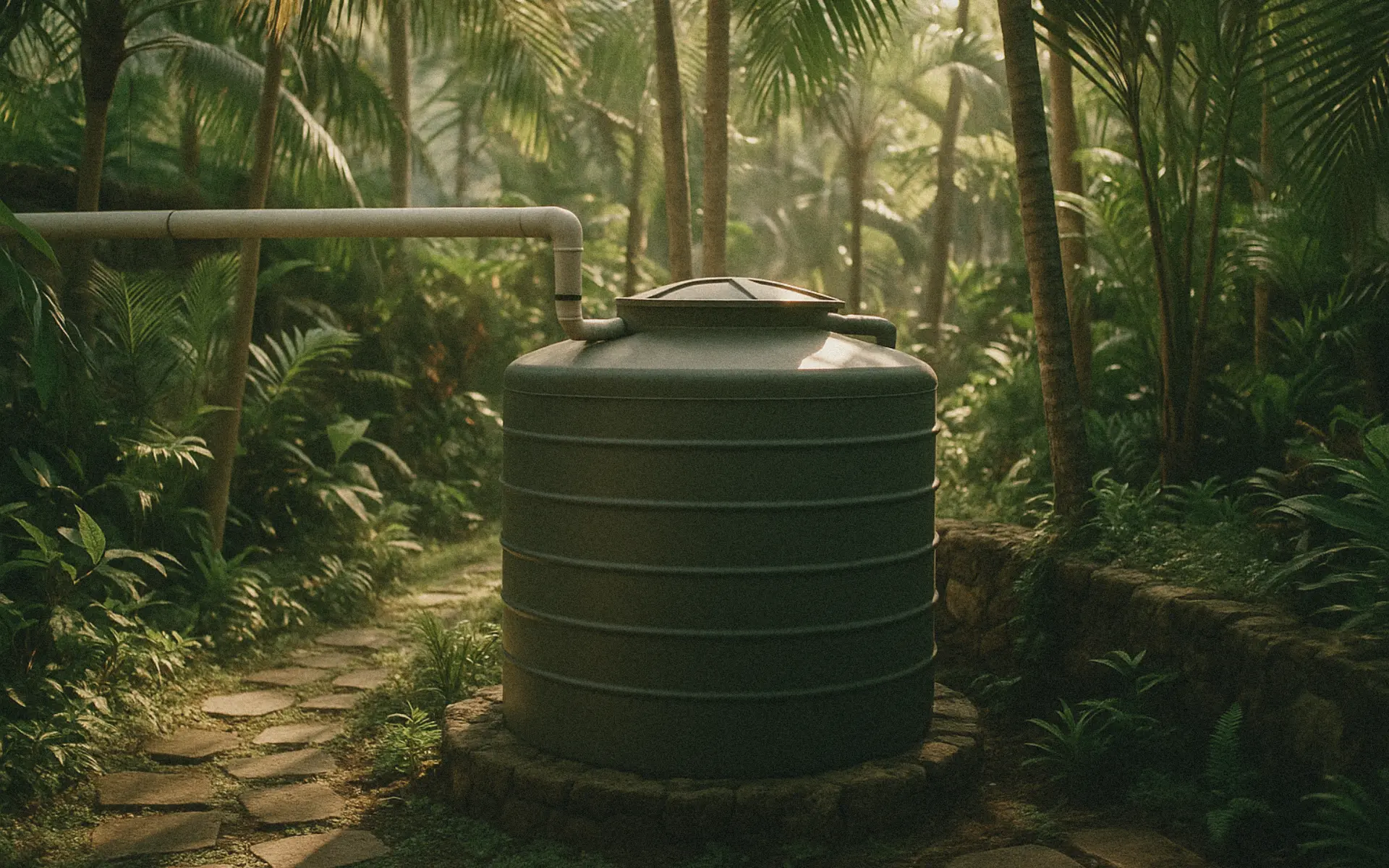
Rainwater collection and greywater reuse
Efficient plumbing and water-saving fixtures
Composting and recycling systems
Even tiny interventions — like LED lights or low-flow showers — pay off. Over time, they reduce your carbon footprint, energy bills, and guilt.
For those who want to dive deeper, the Green Building Council Indonesia offers national guidelines for sustainable architecture and certification — useful for anyone designing or renovating in Bali. And Green School Bali showcases community-driven eco-projects that put those principles into action.
Tip 4: Collaboration is Key
Bali is brimming with creative minds, but not all of them “get” place-based sustainability. Collaboration is the bridge between style, functionality, and ecological sense.
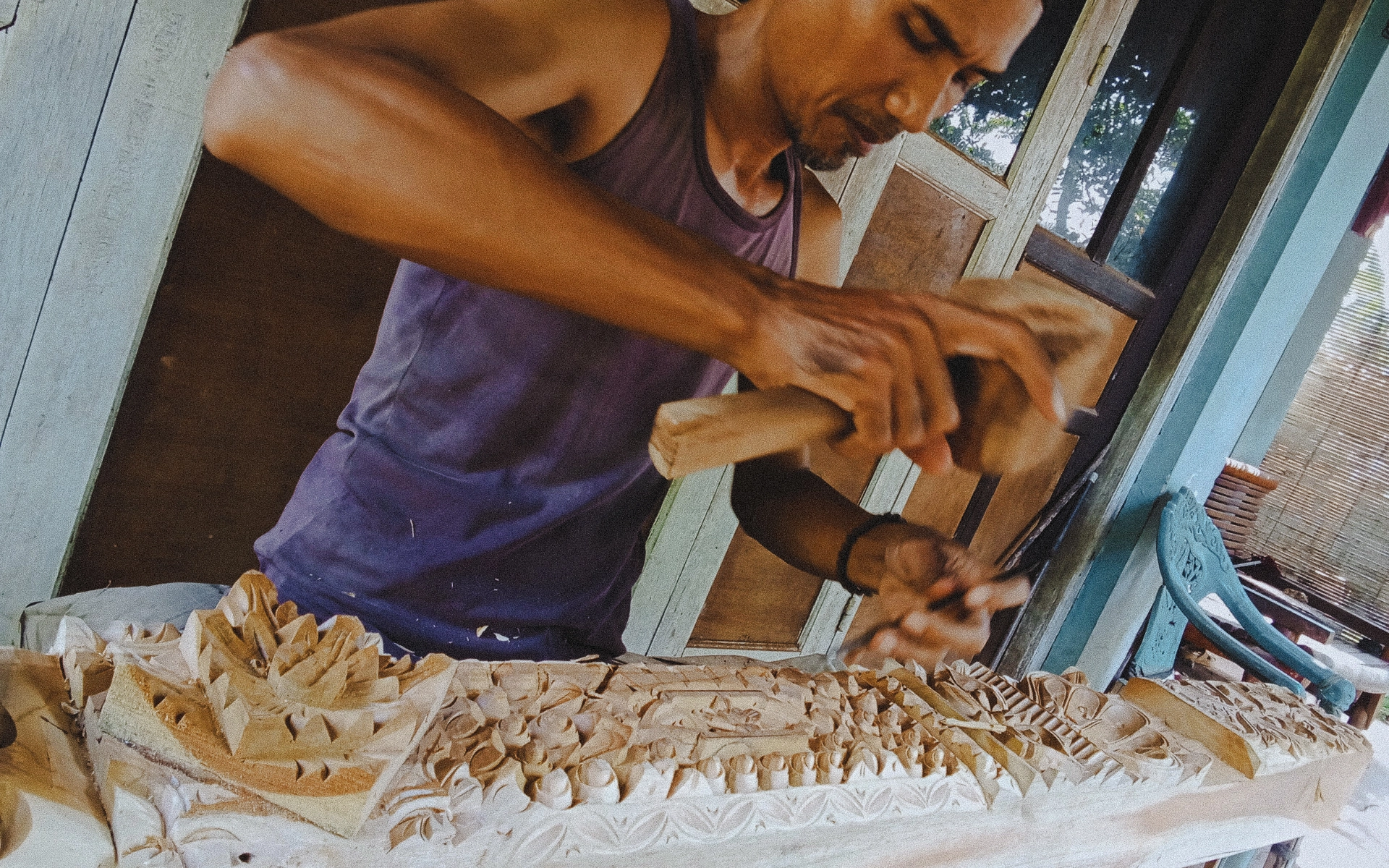
A villa doesn’t exist in a vacuum. Sustainability is as much about community and ecosystem as it is about your private oasis. Support local craftsmen. Avoid overdevelopment. Encourage peers to design responsibly — these small choices ripple outward, shaping the island’s architectural future.
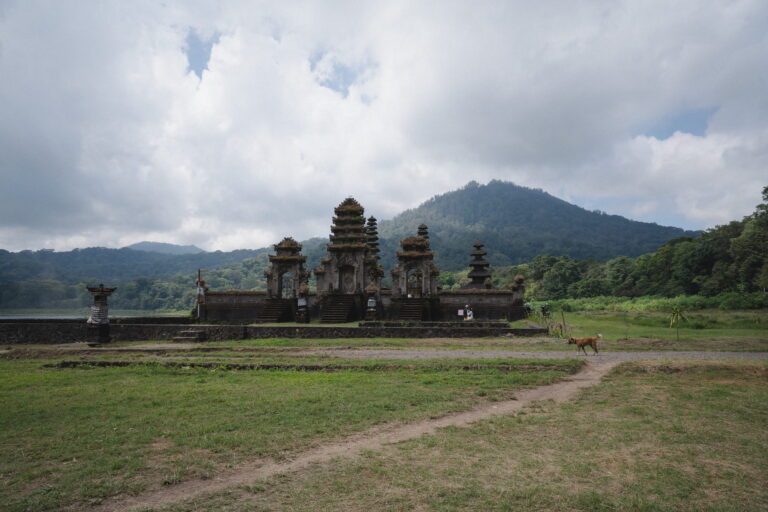
When possible, choose reuse and renovation over new construction, breathing life back into spaces that already hold history — as explored in Bali’s Architectural Goldmine. Building with respect for Bali’s rhythm and context — not against it — is how homes evolve with soul, not ego. For more on that philosophy, see How to Renovate a Bali Villa Without Losing Its Soul.
Final Thoughts
Purposeful design is quiet. It doesn’t scream “eco!” in every corner. It works with the land, celebrates local craftsmanship, and leaves things better than it found them. Sustainability isn’t a trend — it’s a way of living well, thoughtfully, and beautifully.