Furnished vs Unfurnished in Bali: What Actually Makes Sense?
By Des Res Bali
Quick heads up:
We’re not designers or rental agents — just people who’ve spent enough time living in Bali villas to know that “furnished” and “unfurnished” rarely mean what you think they mean.
Things vary wildly here — from quality to comfort to what’s actually included. This is an editorial take based on experience, not a rulebook. Ultimately, what works best depends on how you like to live, how long you’re staying, and how much you want to shape a space yourself.
Furnished sounds easy. Unfurnished sounds like work.
In Bali, it’s not that simple.
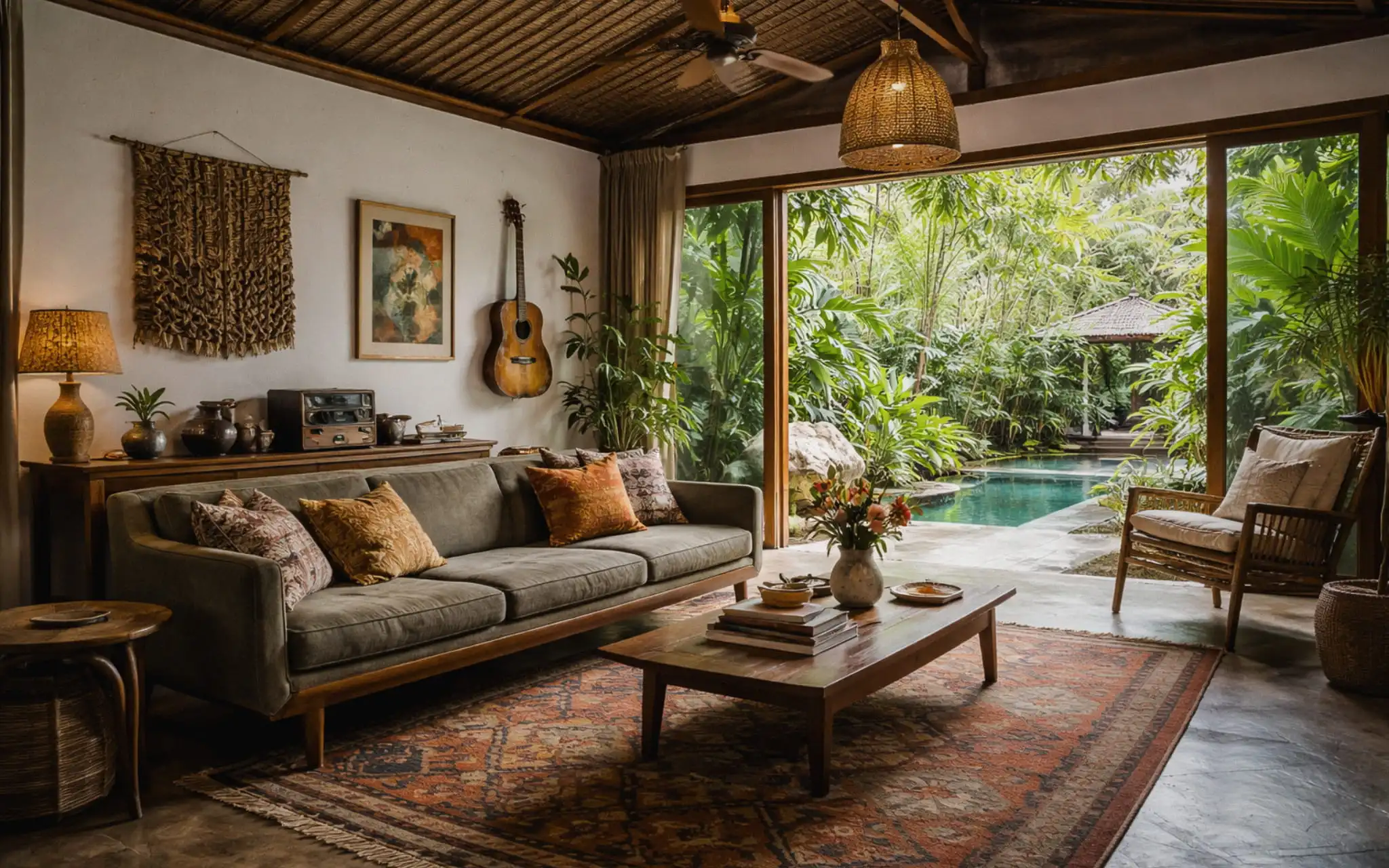
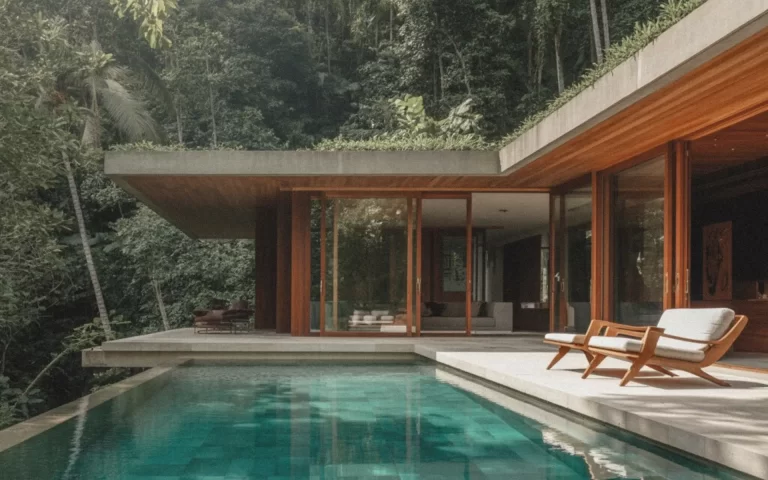
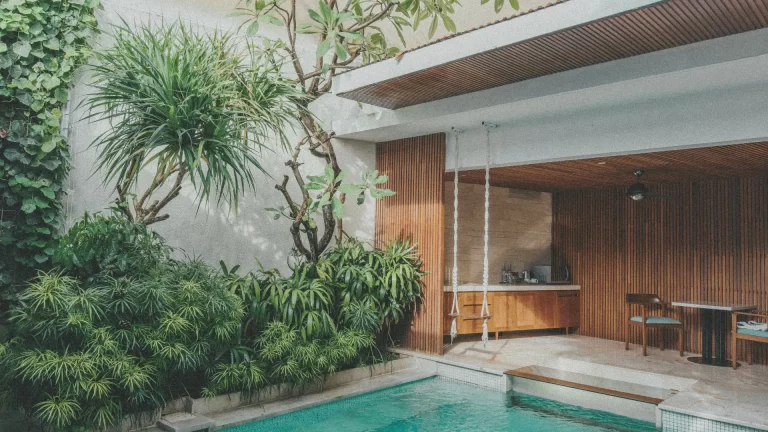
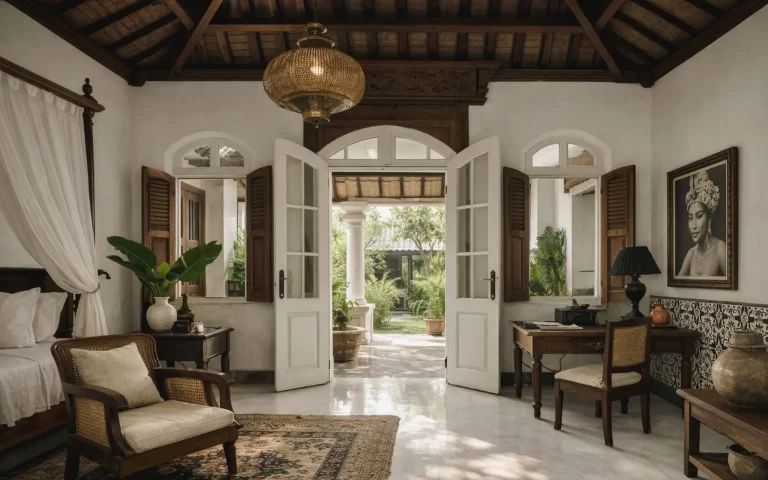
Some of the most beautiful villas come fully styled — linen sofas, carved wood tables, soft lighting, everything in place. You walk in and think: done.
And sometimes, for a while, it is.
But live in it for a month, and the equation shifts. Cushions flatten. Fabrics trap humidity. Storage is either nonexistent or oddly impractical. Pieces that looked considered start to feel temporary — chosen to photograph well, not to hold up to daily life.
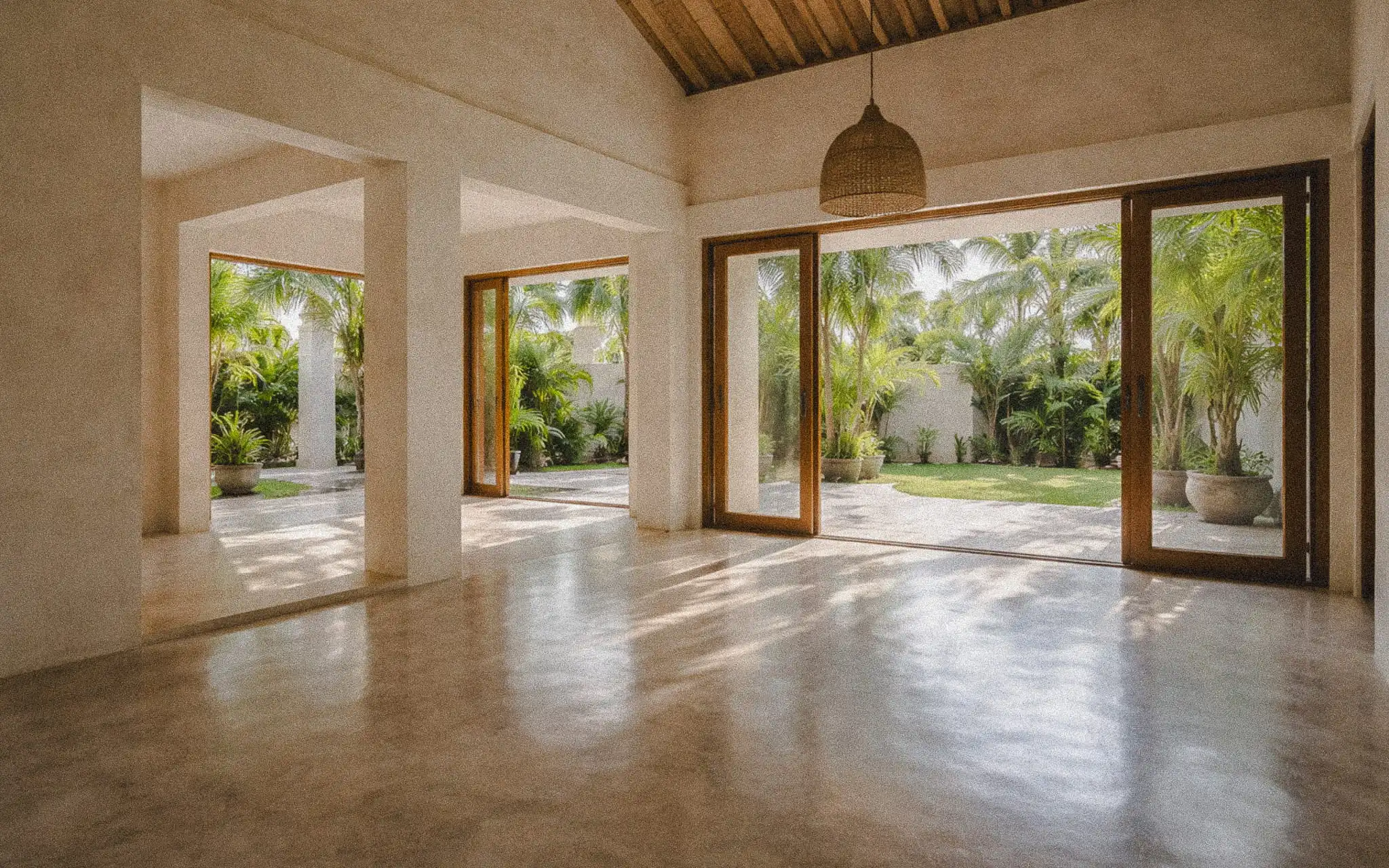
On the other side, unfurnished villas can feel like a blank slate — or a burden. You’re suddenly sourcing everything yourself in a place where quality varies wildly, timelines are loose, and what looks good in a showroom doesn’t always translate once it’s in your space.
So the question isn’t really furnished or unfurnished.
It’s what kind of living you’re stepping into.
What “furnished” actually means here
In Bali, furnished rarely means finished.
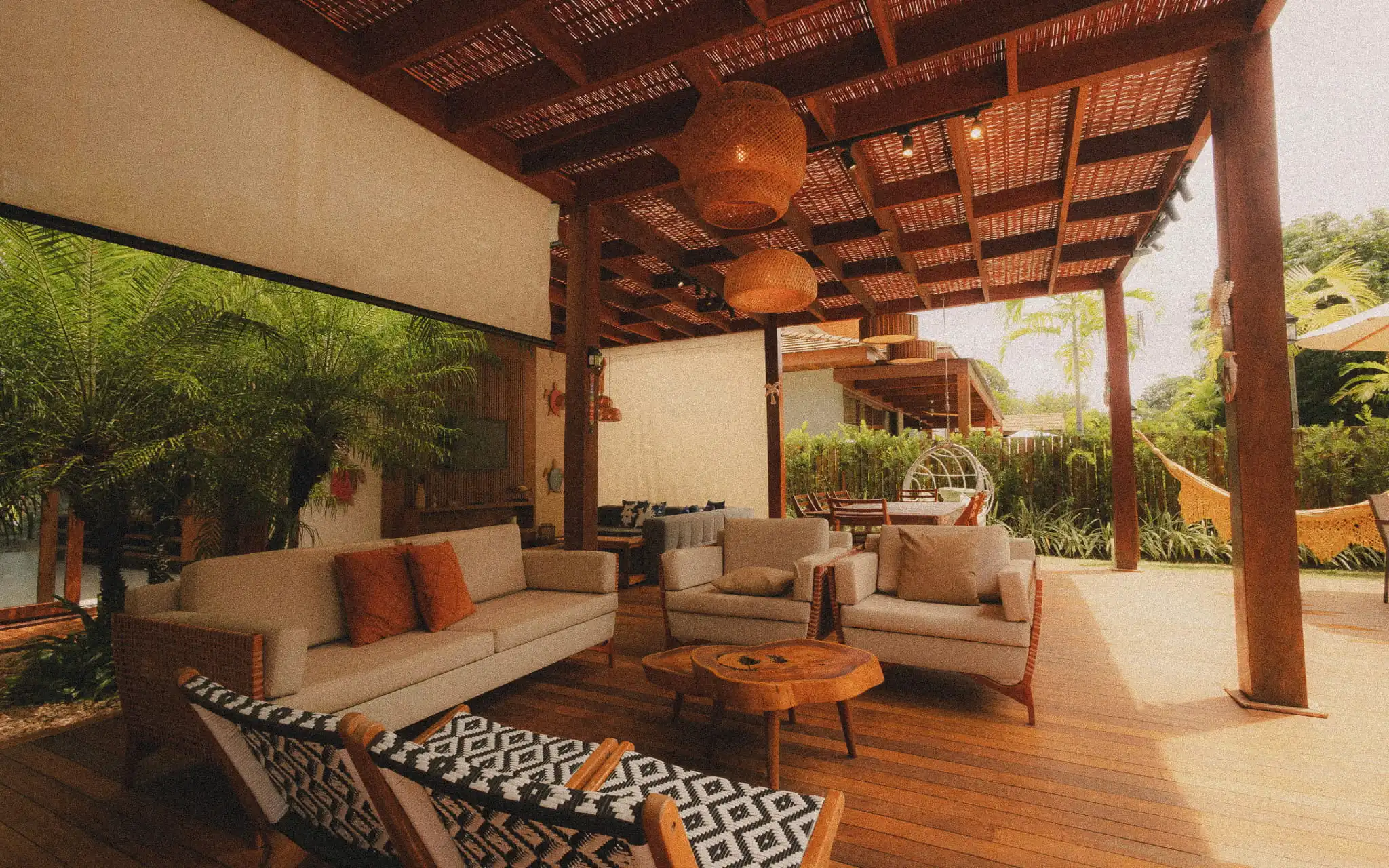
More often, it means a curated baseline — enough to make a villa rentable, photogenic, and immediately usable. But not necessarily comfortable long-term.
That can look like:
sofas that prioritize shape over support
dining tables that stain, warp, or mark easily
decorative lighting with little ambient value
minimal storage (or none at all)
materials that don’t love humidity
None of this is a dealbreaker. But it does mean you’re inheriting someone else’s decisions — and their compromises.
Unfurnished sounds like freedom — and it is. But it comes with friction.
Sourcing in Bali is a mix of:
incredible craftsmanship
inconsistent quality
long lead times
and a lot of legwork
You’ll find beautiful things. You’ll also find ten versions of the same thing at completely different standards.
It takes time to:
figure out what lasts
build relationships with suppliers
understand what’s worth investing in
But once you do, the space starts to shift. Not just visually — functionally.
It works for you, not just around you.
Where people get it wrong
Most decisions are made too quickly.
A villa is chosen because:
it photographs well
it feels easy in the moment
it looks “finished”
Or the opposite:
unfurnished feels overwhelming
the time investment feels too high
the process feels uncertain
But both choices have trade-offs — and neither is inherently better.
The mistake is treating this as a surface-level decision.
What actually matters
The things that determine whether a space works in Bali have very little to do with furniture.
It’s:
airflow
layout
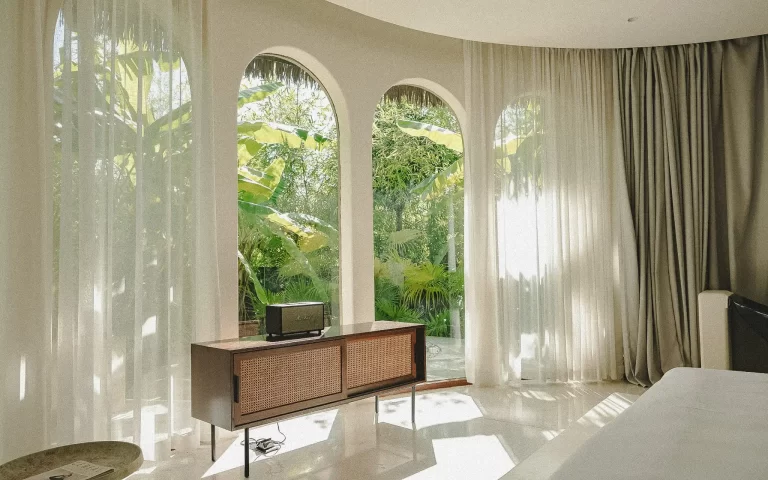
natural light
proportion
how the space holds heat (or releases it)
Get those right, and almost anything can be made to feel good.
Get them wrong, and no amount of styling will fix it.
Furniture, in that sense, is secondary.
Important — but not foundational.
So, which one makes sense?
It depends on how long you’re staying — and how you want to live.
Furnished works when:
you’re short-term
you don’t want to think about it
you’re okay adapting to the space
Unfurnished works when:
you’re staying longer
you care how things feel day-to-day
you’re willing to invest time upfront for something better
Most people underestimate how quickly “good enough” starts to feel… not enough.
The quiet truth
The best homes in Bali aren’t the most finished.
They’re the ones that leave room to adjust, refine, and settle over time.
Because here, more than most places, living well isn’t something you walk into fully formed.
It’s something you shape — slowly, and with intention.
FAQs
Is it better to rent a furnished or unfurnished villa in Bali?
It depends on how long you’re staying. Furnished villas are easier short-term, but often come with compromises in comfort and quality. Unfurnished villas take more effort upfront but allow you to create a space that works better for long-term living.
Are furnished villas in Bali good quality?
Some are, but many are designed for short-term stays rather than daily living. Furniture is often chosen for appearance over durability, which can become noticeable over time.
Is it hard to furnish a villa in Bali yourself?
It can take time. Bali has excellent craftsmanship, but quality and timelines vary. Sourcing furniture usually involves visiting workshops, comparing options, and waiting for custom pieces to be made.
Is it cheaper to rent furnished or unfurnished in Bali?
Unfurnished villas are often cheaper upfront, but you’ll need to budget for furniture and setup. Furnished villas cost more initially but may require replacing or upgrading items over time.
What should I prioritize when choosing a villa in Bali?
Focus on airflow, layout, natural light, and overall structure. These factors have a bigger impact on daily comfort than whether a villa is furnished or not.
Can you mix both options in Bali?
Yes. Many people rent furnished villas and gradually replace or upgrade key pieces to improve comfort and functionality over time.