
Buy Less, Buy Better: A Guide to Furniture That Lasts in Bali
By Des Res Bali
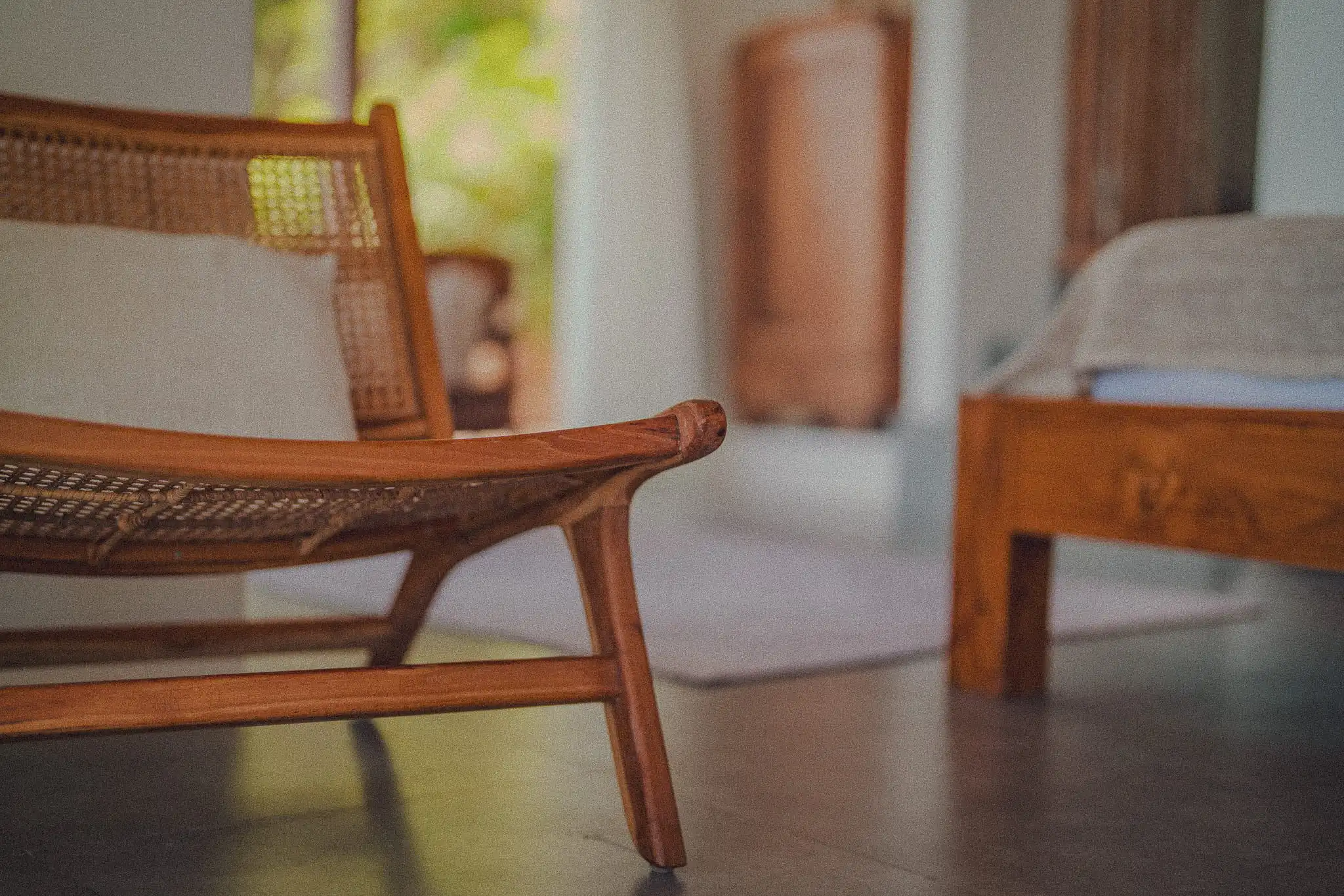
Beautiful things are even better when you don’t have to replace them every few years. Here’s how to furnish a Bali home with a little more thought, a lot less waste, and materials that can handle life in the tropics.
Bali has no shortage of beautiful furniture. From sculptural teak tables and handwoven rattan chairs to statement lighting and custom-made beds, you could spend a small fortune furnishing a villa before you’ve even chosen the cushions.
And plenty of people do.
But with new villas, restaurants and hospitality projects appearing across the island at an astonishing pace, there’s another question worth asking: How much of what we’re buying today will still be around in ten years?
Because Bali is tough on furniture.
Humidity, salt air, termites, mould and the occasional spectacular downpour can make short work of things that looked fabulous in the showroom. Add the temptation of inexpensive, mass-produced furnishings, and it’s easy to find yourself replacing things far more often than you intended.
That’s expensive, inconvenient and not particularly helpful for an island already grappling with a serious waste problem.
We’re not suggesting everyone needs to furnish their home with museum-quality antiques or spend a fortune on designer pieces. And we’re certainly not declaring war on IKEA.
But perhaps it’s time to think beyond what looks good today and consider what might still look good — and function properly — years from now.
We’re not materials scientists or furniture manufacturers, but we’ve been around long enough to appreciate the difference between something that looks good in a showroom and something that survives a few Bali rainy seasons. And there are people doing interesting work in this space who are worth knowing about.
First, buy for the climate
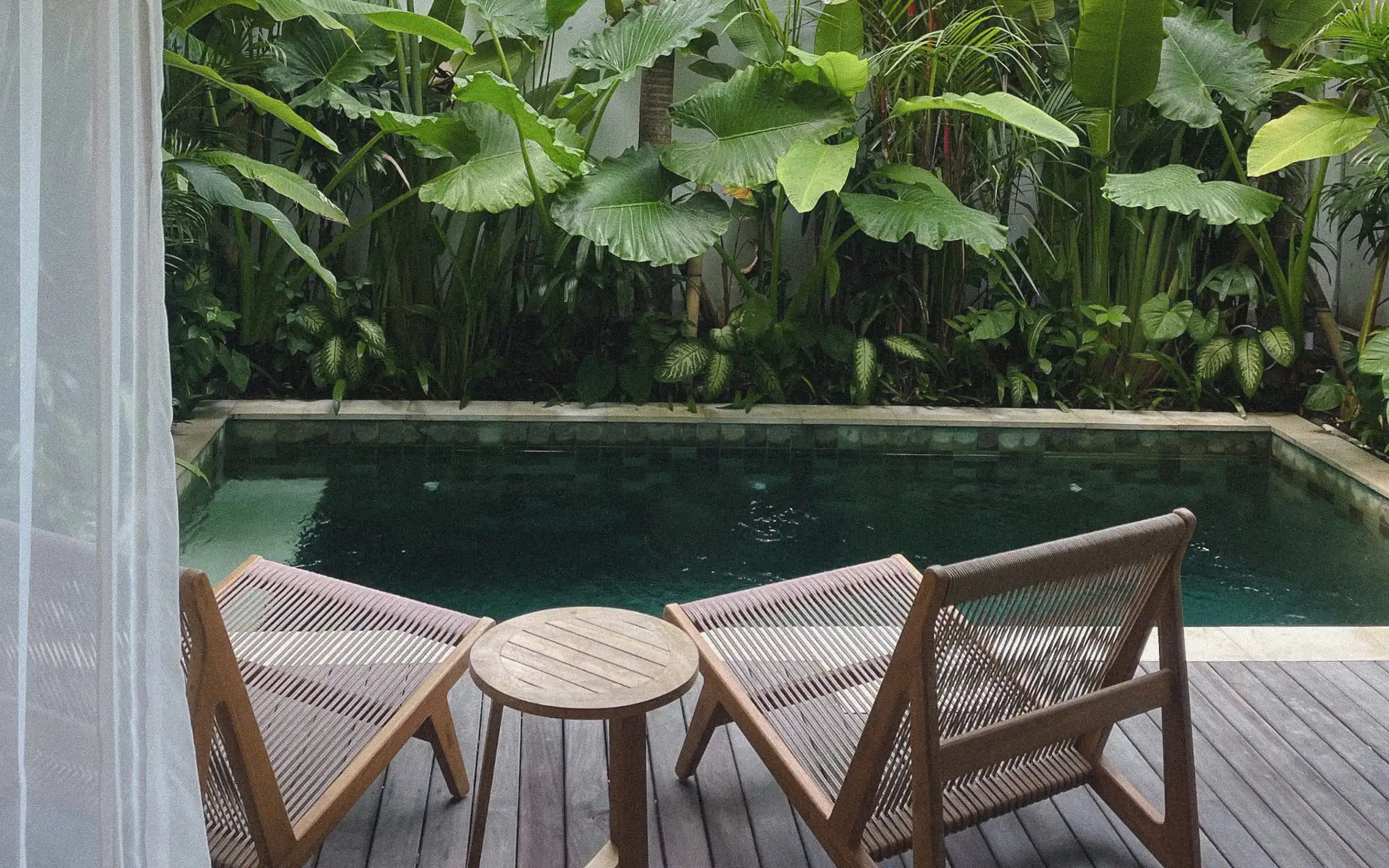
A beautiful piece of furniture isn’t necessarily a practical one.
In Bali’s humid tropical environment, the materials, construction and finish matter just as much as the design.
Solid teak is a popular choice for good reason. Properly seasoned and constructed, it offers excellent durability, including in challenging tropical conditions. But teak isn’t automatically an environmentally responsible purchase. Ask where the timber came from, whether it’s plantation-grown or reclaimed, and what documentation supports those claims.
Ulin, or Bornean ironwood, is another exceptionally durable hardwood, prized for its resistance to decay and demanding conditions. But its slow growth and the environmental pressures associated with tropical hardwood extraction make provenance particularly important. Reclaimed ulin offers a way to reuse existing material rather than automatically creating demand for newly harvested timber.
Rattan brings texture, flexibility and warmth to interiors, but quality varies. Good weaving, a sturdy frame and suitable finishing can make the difference between a chair that ages beautifully and one that starts falling apart after a few wet seasons.
Bamboo is versatile, fast-growing and wonderfully suited to certain furniture, lighting and homeware applications. But proper treatment and protection from prolonged moisture are essential. Fast-growing doesn’t mean maintenance-free.
And whatever the material, look closely at the construction. Can the chair be repaired? Can the cushion covers be removed? Can the wood be refinished? Will replacement parts be available?
These aren’t particularly glamorous questions. Until something breaks.
The case for keeping things
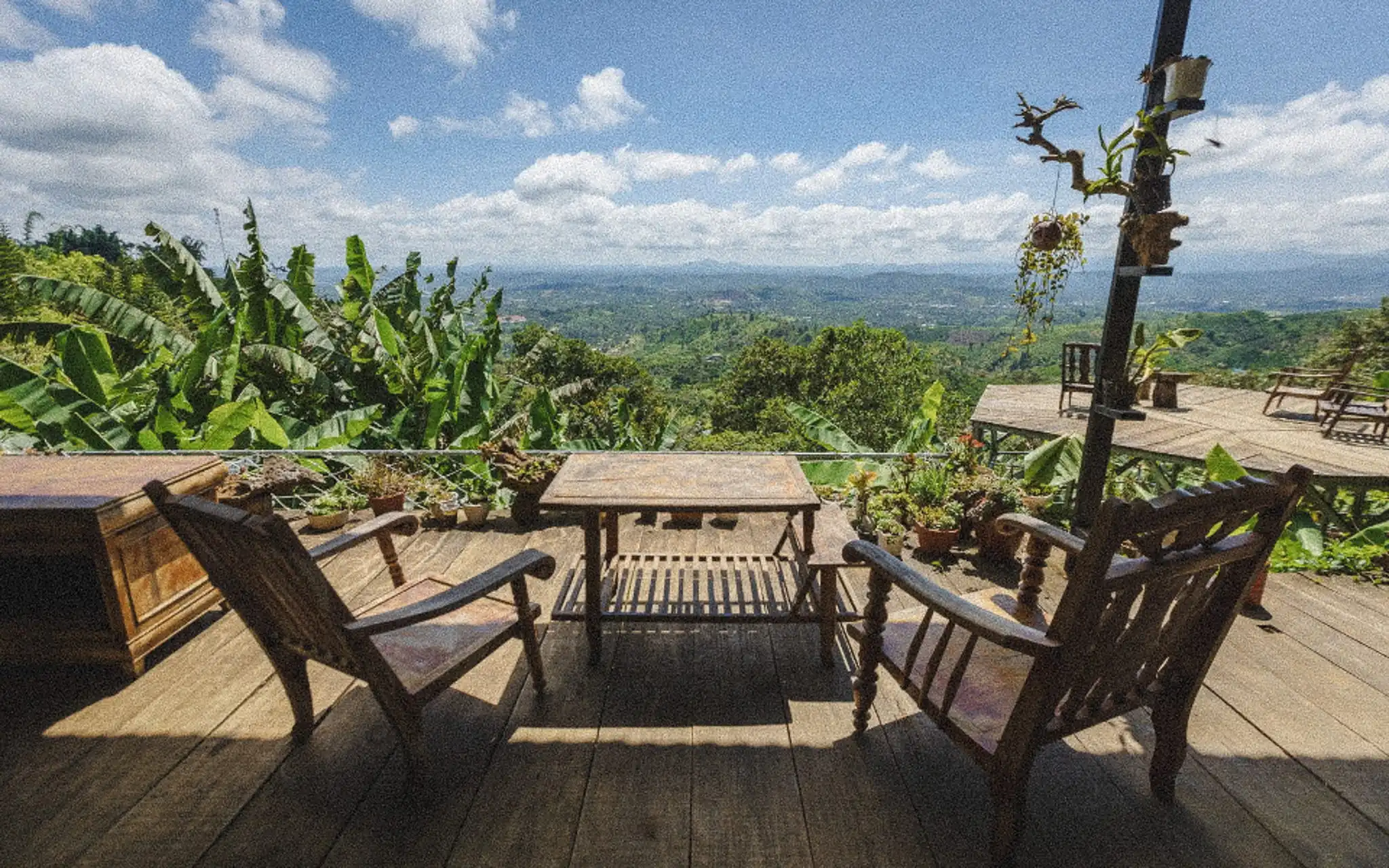
There’s something appealing about a home that has evolved over time.
An old teak dining table with a few marks. A restored chair that doesn’t quite match the others. A cabinet rescued from a renovation and given another life.
Not everything needs to be new. And not everything old needs replacing.
Bali has a long tradition of skilled woodworkers, carvers and furniture makers, which creates opportunities to restore, adapt and commission pieces rather than continually buying replacements.
Before throwing something out, consider whether it could be repaired, reupholstered, refinished or repurposed.
The most sustainable piece of furniture may well be the one you already own.
Where to look for more thoughtful furnishings
There are some interesting Indonesian businesses putting material choices, craftsmanship and longevity at the centre of their work.
Jelajah Rattan — Furniture with a natural character
For rattan seating, tables and lighting, Jelajah Rattan is worth exploring. The company works with rattan furniture and highlights sustainable sourcing initiatives. It’s an interesting starting point for anyone who appreciates woven furniture with a contemporary edge.
Kalpa Taru Bali — Custom pieces made with intention
For something more bespoke, Kalpa Taru Bali designs and manufactures custom furniture, furnishings and art. The company describes its approach as combining traditional craftsmanship with contemporary production techniques and an emphasis on responsibly sourced materials.
It’s a useful option to investigate when you’re looking for a substantial piece rather than a temporary furnishing solution.
Kaltimber and Naturanexa — Making more from reclaimed wood
We’ve previously featured Kaltimber’s work with reclaimed ironwood, but there’s another interesting dimension to the story. Its partner Naturanexa creates furniture from production offcuts, making use of timber that might otherwise go to waste. The collection includes handmade pieces with wooden pins instead of metal fixings — a thoughtful detail in coastal environments where corrosion can be a problem.
Heveya — Thinking beyond the mattress
Mattresses aren’t the first things that spring to mind when discussing sustainable furniture, but they’re certainly worth considering.
Heveya’s natural latex mattresses and bed frames are available in Bali, with a showroom in Canggu. We sleep on one ourselves, and it’s genuinely one of the best purchases we’ve made for our home.
The company also describes a take-back program that repurposes used mattress latex, although it’s worth checking whether the service is available locally.
Studio Dapur — The smaller things matter, too
Furniture is only part of the picture.
Studio Dapur creates bamboo-based homewares, including lighting, baskets, trays and other everyday objects, while emphasizing the communities involved in bamboo craftsmanship.
These are the sorts of details that can give a home character without relying entirely on mass-produced accessories.
A few questions worth asking before you buy
Whether you’re shopping in a showroom, commissioning a carpenter or ordering online, a little curiosity goes a long way.
- Where did the materials come from?
- Is the timber reclaimed, plantation-grown or otherwise traceable?
- Has the wood or bamboo been properly seasoned and treated for tropical conditions?
- Can the piece be repaired, reupholstered or refinished?
- What maintenance will it require?
- Is the seller able to explain its sourcing claims?
- And perhaps most importantly: will you still want this in five or ten years?
None of these questions requires a degree in environmental science. Just a willingness to look beyond the price tag.
A little less disposable, a little more deliberate
With Bali under growing pressure to reduce the waste sent to landfill, perhaps it’s worth thinking about the larger things we discard, too. Furniture, fixtures and building materials don’t simply disappear when we’re finished with them.
Of course, nobody is going to solve the island’s waste problem by buying a better dining table.
But choosing durable materials, supporting skilled makers, restoring what we can and thinking twice before replacing something are all reasonable places to start.
Besides, there’s something rather satisfying about owning things that get better with age.
A home should have time to develop a little character.
And ideally, so should the furniture.
Editor’s note: This is an independent, unsponsored editorial guide. Des Res Bali has no paid partnerships or affiliate arrangements with the businesses featured. Sustainability information is based on company statements unless otherwise indicated.