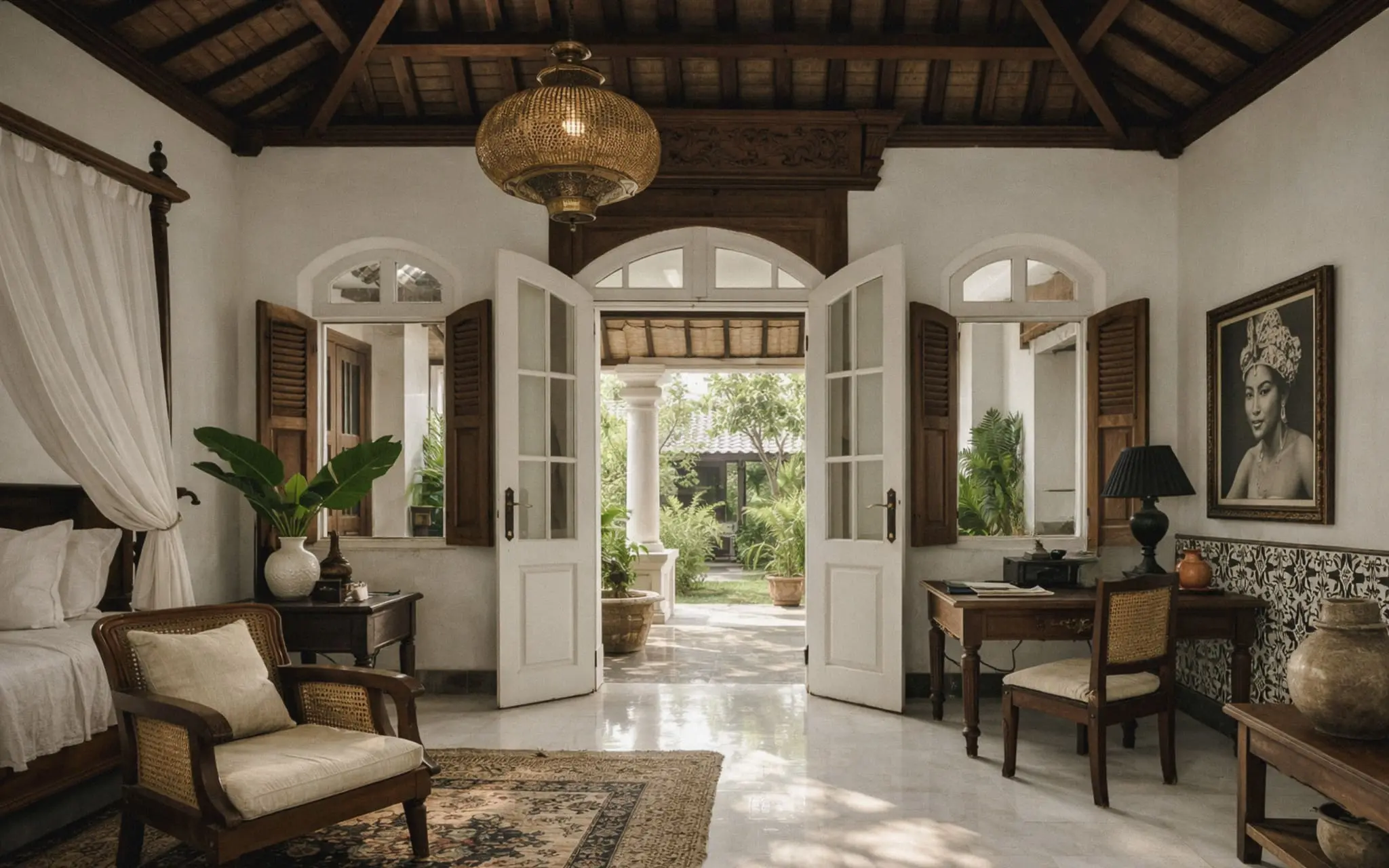
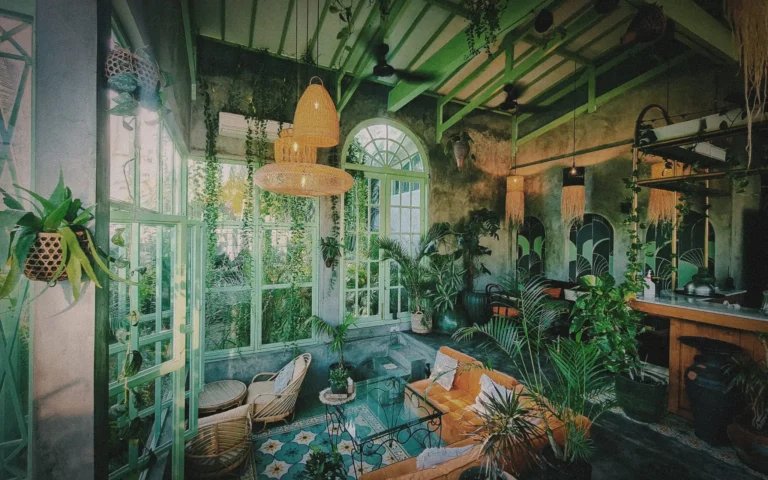
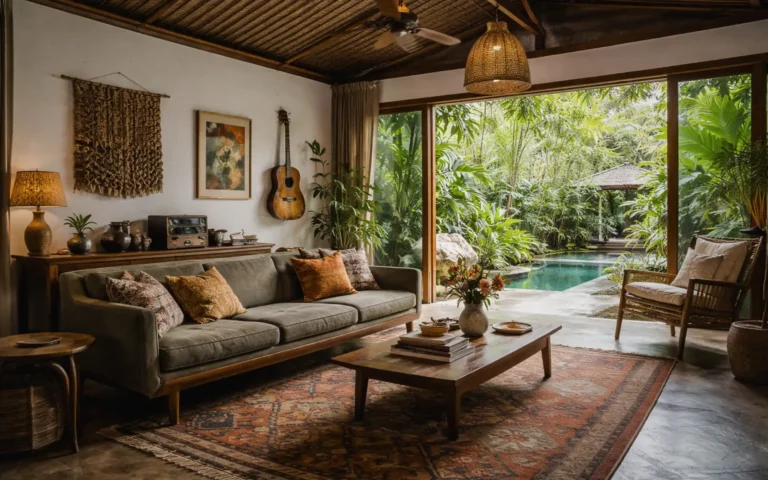
Conceptual illustration of a heritage-style interior updated for contemporary Bali living.
Quick heads up:
We’re not contractors, engineers, or structural consultants. Renovation feasibility, costs, and outcomes in Bali vary widely depending on site conditions, prior build quality, and materials used. This piece is editorial and pattern-based — not technical advice. Always consult experienced local professionals, inspect structures thoroughly, and assess moisture, drainage, and structural integrity before committing to a renovation.
In recent years, the dominant narrative in Bali has been simple: buy land, clear it, build new.
New villas. New hospitality concepts. New architectural statements designed to photograph well on day one.
The formula worked — until it didn’t.
Construction costs rose. Build quality became inconsistent. Heat, humidity, and maintenance exposed rushed decisions. And land started to feel less infinite.
Now, a quieter question is surfacing:
What if the smarter move isn’t building from scratch… but building on what’s already here?
Not cosmetic refreshes. Not surface-level styling.
But thoughtful adaptation. Structural reinforcement. Climate-aware renovation.
Older compounds with good bones. Solid structures that only need reworking. Buildings that have already proven they can survive a decade in this climate.
This Isn’t New. It’s Just Been Quieter.
Bali has always had examples of renovation done exceptionally well — they just weren’t framed as a “trend.”
Places like Balquisse Heritage Hotel quietly proved that layered restoration can feel richer than new construction. Javanese-style teak houses integrated and reimagined with authentic patina. Original charm embraced rather than erased.
Capella Ubud took a different route — adaptive reuse layered with theatrical storytelling, building within an existing landscape rather than flattening it.
Land is expensive. Labour quality varies. Materials fluctuate in availability and price. And buyers are more discerning than they were five years ago.
There’s also a growing awareness that sustainability isn’t just about solar panels — it’s about reducing demolition, reusing materials, and extending the life cycle of structures that already exist.
Renovation, when done properly, demands more design intelligence. More problem-solving. More restraint.
You can’t hide behind a blank slate.
The Risk (And the Opportunity)
Renovation isn’t easier. It’s often harder.
You’re working with constraints. With inherited layouts. With structural realities you can’t ignore.
But those constraints can lead to stronger architecture — more site-sensitive, more climate-aware, more grounded in Bali’s actual building culture.
And in a landscape increasingly saturated with similar-looking new builds, that groundedness may become the real differentiator.
So… Is Bali Entering Its Renovation Era?
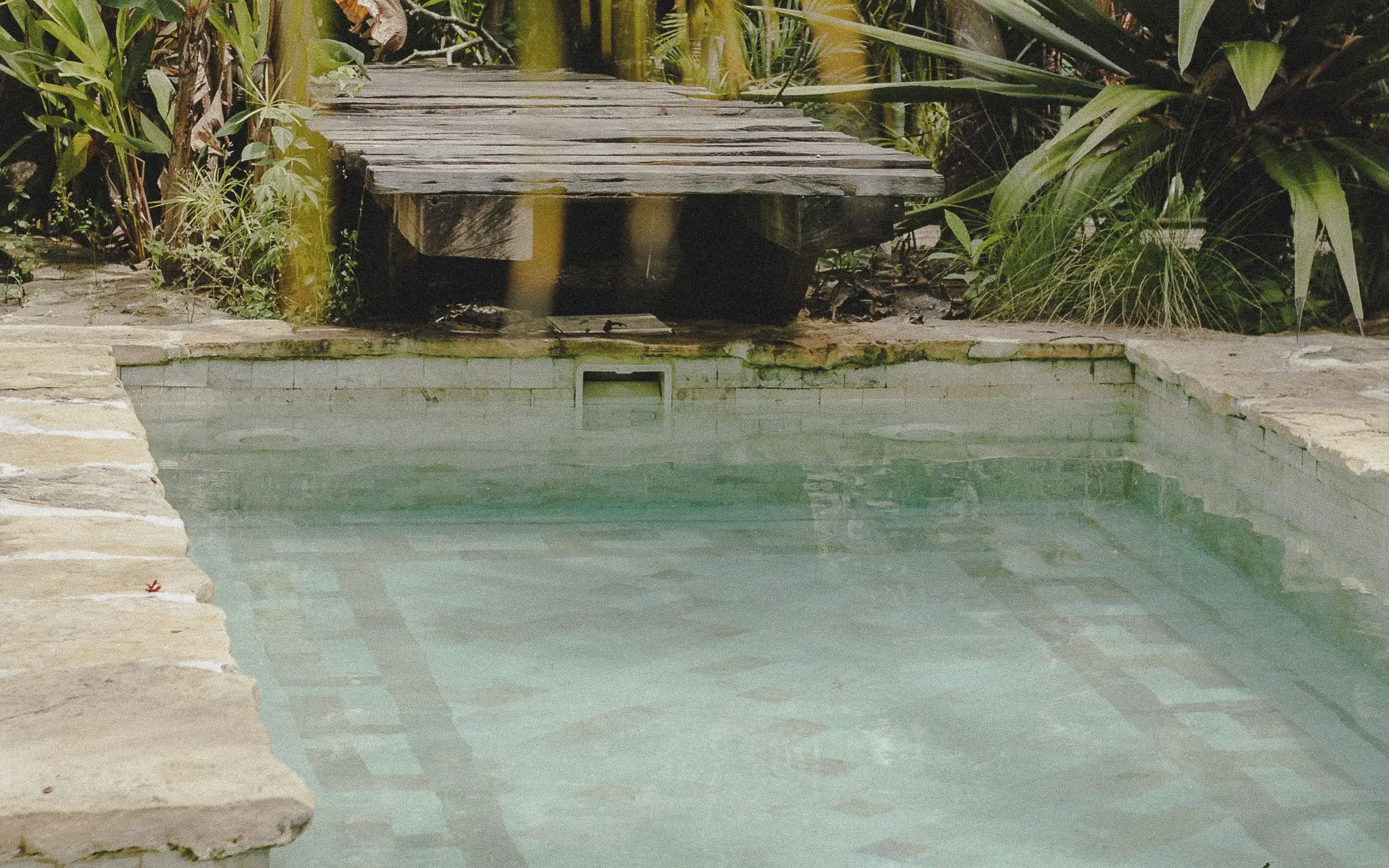
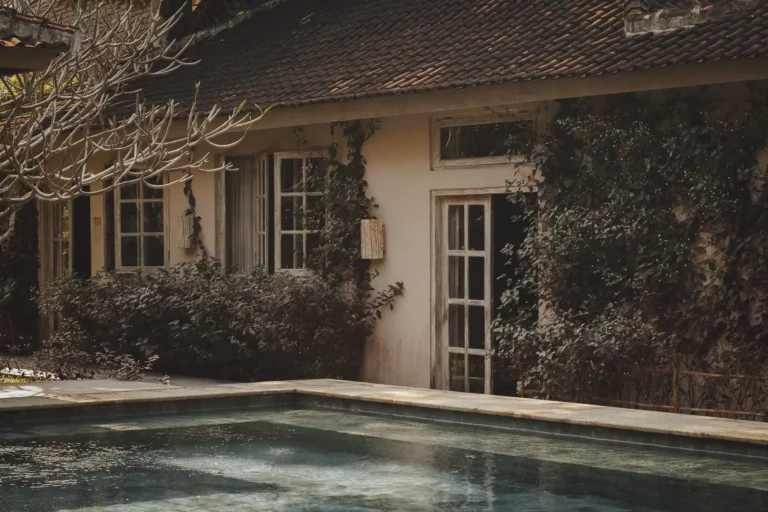
Weathered pools and layered courtyards add a quiet character to older compounds
It might be too early to call it.
But the conversation feels different.
Less about scale.
More about quality.
Less about how fast something can be built.
More about how long it will last.
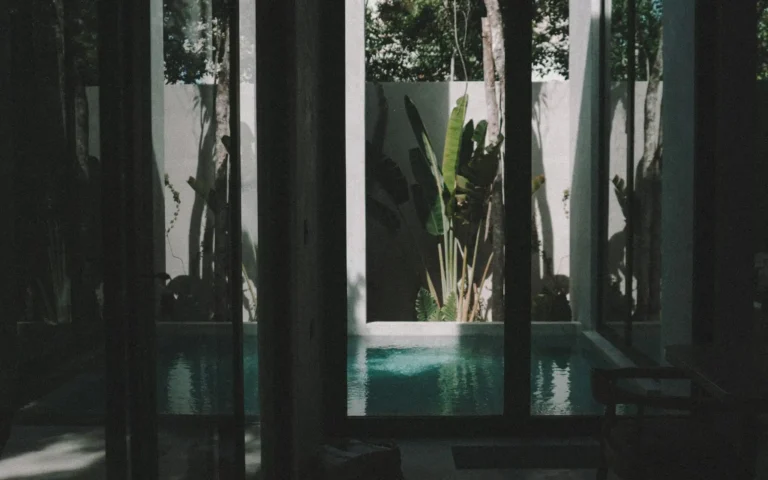
Even the outdoor spaces tell the story — weathered pools, mature landscaping, terraces and courtyards layered with character that only time and careful care can give. These elements, like the structures themselves, reward patience and thoughtful adaptation.
If the next chapter of Bali architecture is defined not by expansion, but by refinement — not by clearing land, but by working with it — that wouldn’t be regression.
It would be maturity.
And in this climate, maturity might be exactly what’s needed.