Some buildings in Bali seem to improve with age. Not in spite of the tropical climate, but because of it.
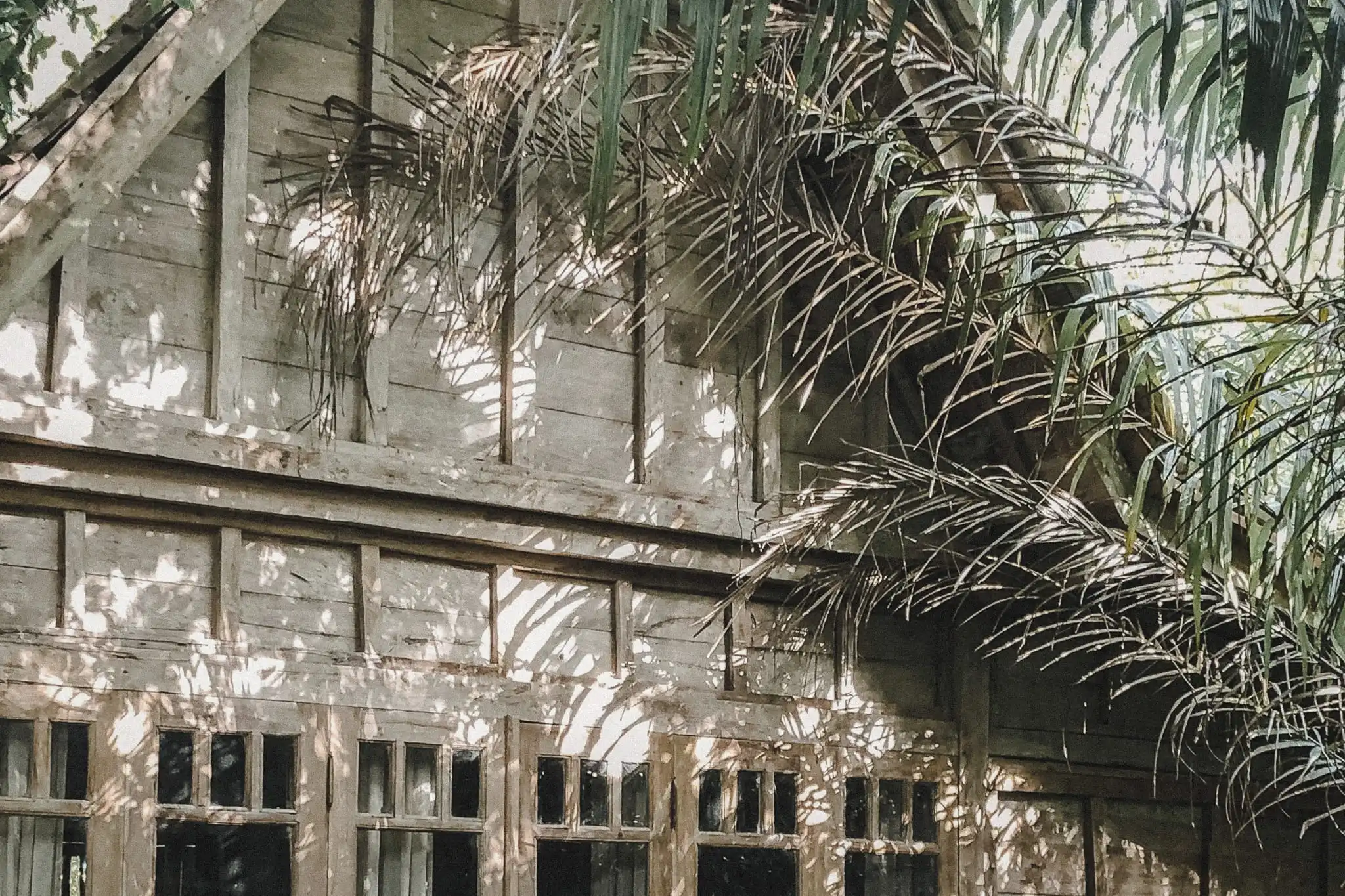
Timber fades under the sun, stone darkens during rainy season, brass oxidizes in the salt air, and limewashed walls slowly collect the kind of texture and unevenness that newer buildings spend years trying to imitate. Over time, these spaces begin to feel less imposed on the landscape and more settled into it, shaped gradually by humidity, light, weather, and use.
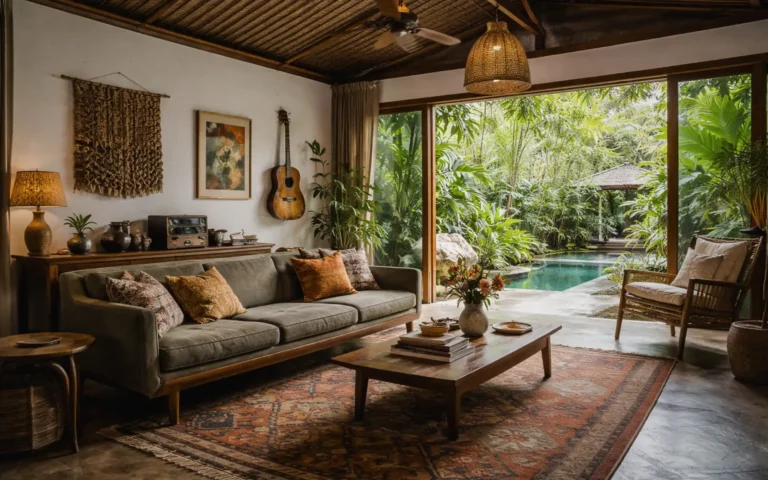
It’s part of what makes certain villas, cafés, and small boutique stays across the island feel so distinct. Not overly polished or aggressively designed, just comfortable in their surroundings in a way that can’t really be manufactured overnight.
A lot of modern construction still resists this process. Surfaces are sealed, flattened, perfected for photographs and opening-week impressions, even though tropical living has a way of softening those edges fairly quickly. And honestly, some of Bali’s most beautiful spaces are the ones that allow that softening to happen naturally rather than fighting it at every turn.
A hand-worn staircase, old teak marked by years of humidity, slightly uneven limewash, moss settling quietly into stone walls. These details give a space atmosphere because they reflect actual time and exposure rather than an artificially distressed version of it. You can usually feel the difference immediately.
There’s probably a broader lesson in that too, especially now, when so much development in Bali feels driven by speed and visibility. Patina reminds us that good architecture is not only about how a building looks when it’s first completed, but how it lives over time, how materials respond to climate, and whether a space still feels grounded after years of use rather than six months of Instagram attention.
In Bali especially, where the environment leaves its fingerprints on everything almost immediately, that relationship between architecture and nature feels difficult to ignore. And maybe that’s part of the appeal. Not every surface needs replacing. Not every mark needs covering up. Sometimes the spaces with the most character are simply the ones that have been allowed to age honestly.