Why Tropical Homes Fail (And How Good Design Prevents It)
By Des Res Bali
Editor’s Note
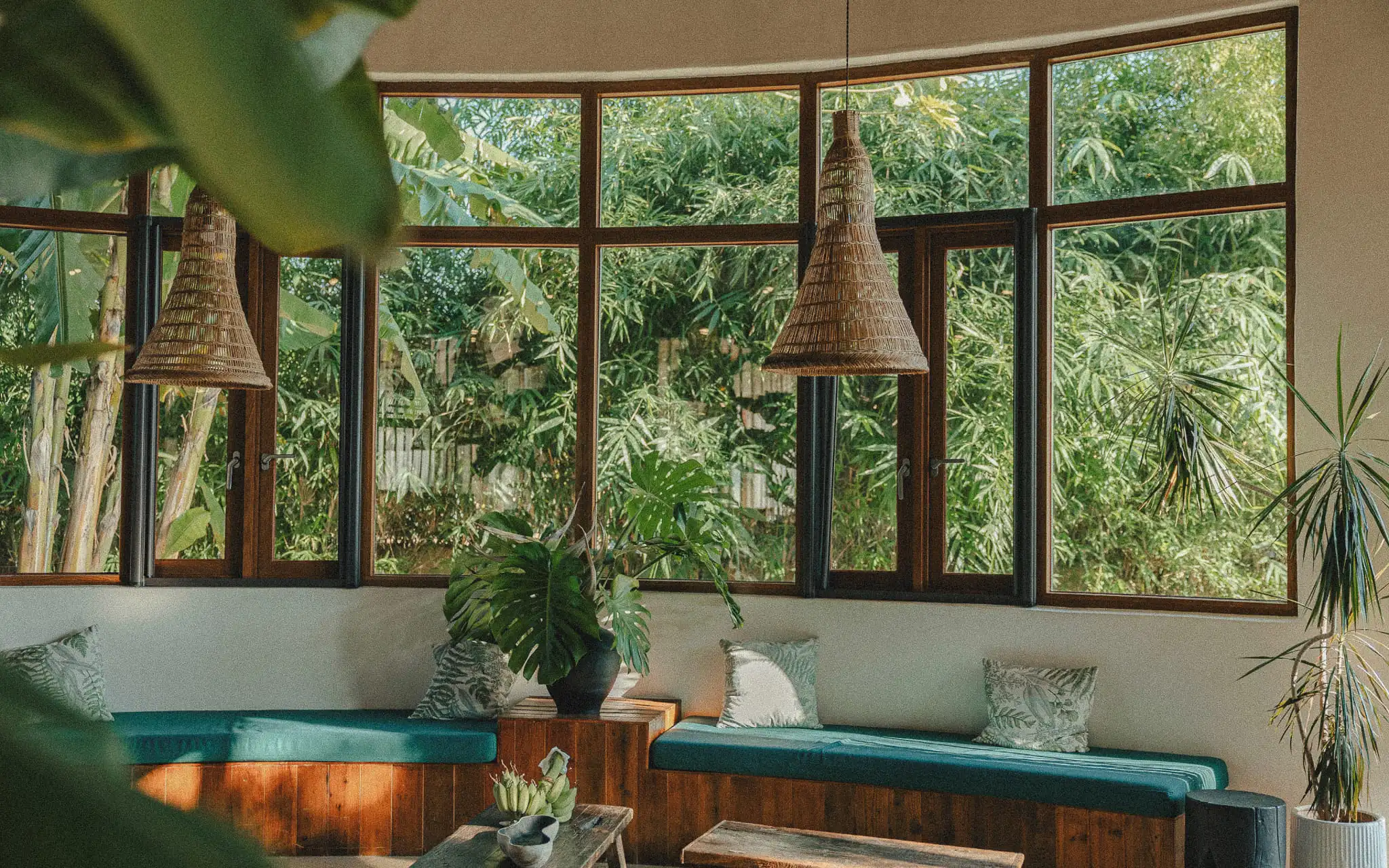
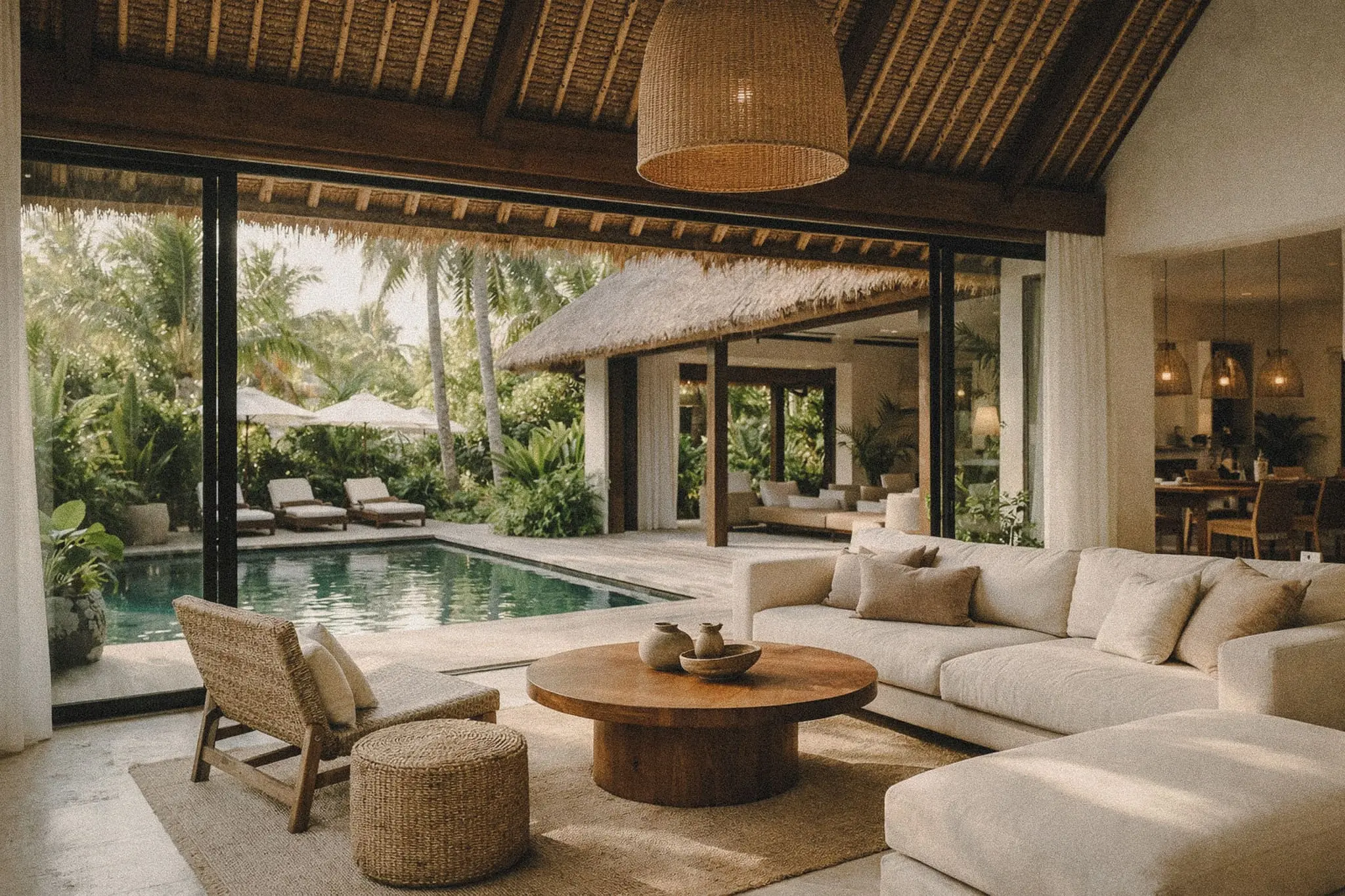
Beautiful tropical homes are everywhere in Bali. Comfortable ones are rarer. Spend enough time looking at villas across the island and a pattern starts to emerge: the tropics are incredibly revealing. Good design thrives here. Bad design shows itself fast.
Designing a tropical house looks easy on paper.
Open walls. A pool. Some greenery. Maybe a stretch of polished concrete and a few oversized sliding doors.
The renderings always look incredible.
Living in those houses is another story.
In Bali and across Southeast Asia, tropical home design mistakes reveal themselves quickly. Heat builds inside minimalist villas that were never oriented for the sun. Rainwater finds its way through roofs that look sculptural but ignore monsoon reality. Air refuses to move through houses that were designed for photographs rather than climate.
The tropics are brutally honest like that. A house can look perfect online and feel completely wrong by mid-afternoon.
The Real Problem: Designing for Aesthetics Instead of Climate
Many tropical homes fail for the same reason: they were designed visually first, environmentally second. Developers borrow ideas from Mediterranean villas or European minimalism — clean lines, flat roofs, glass walls — then drop them into a climate defined by humidity, heat, and sudden storms.
The aesthetic travels well. The performance usually doesn’t.
Some of the most common tropical home design mistakes include:
Individually these choices seem minor. Together, they create houses that constantly fight the environment around them.
Airflow Is Not a Luxury — It’s the System
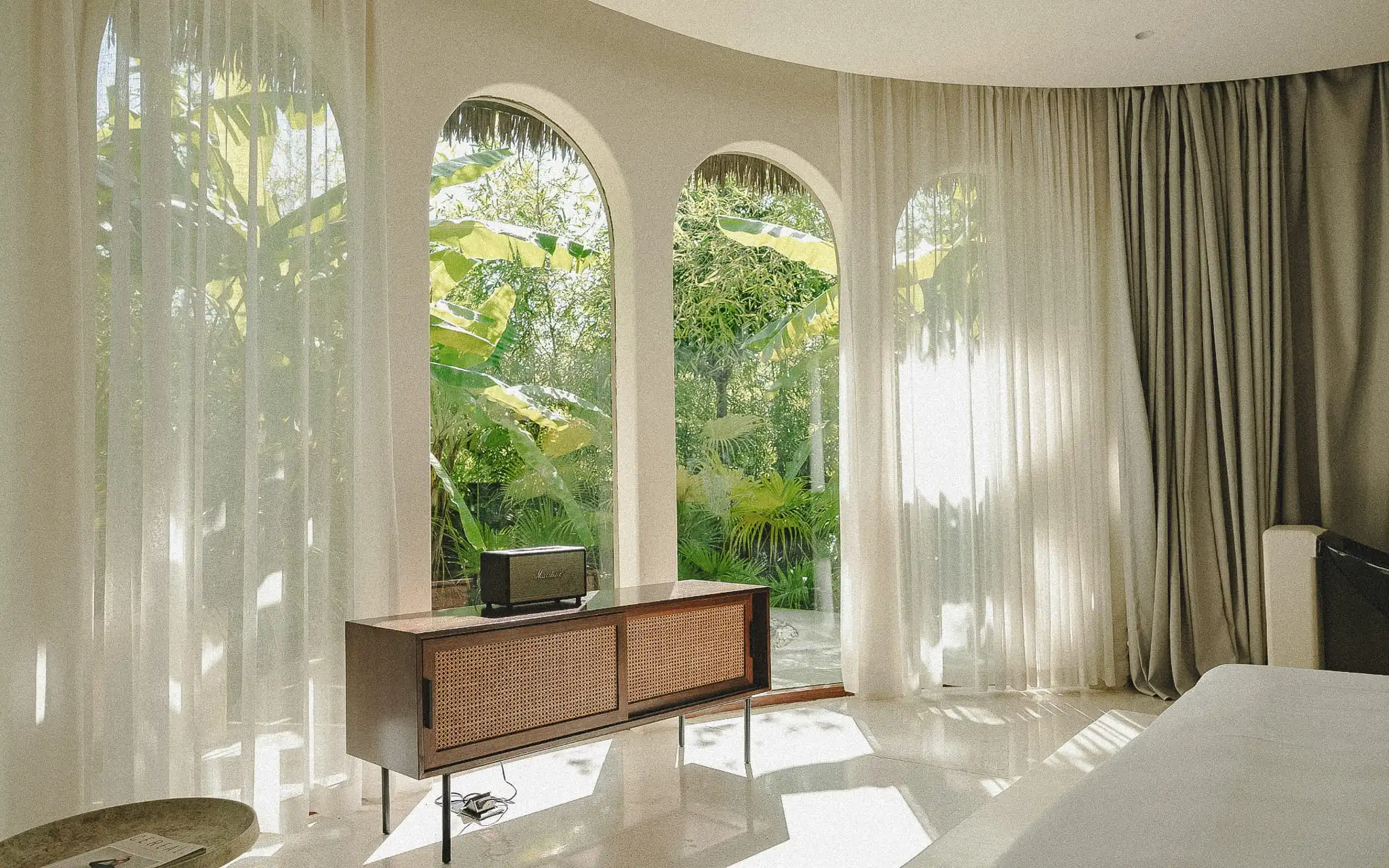
In tropical architecture, airflow is the cooling system. Well-designed homes allow wind to move naturally through the building, reducing heat and humidity without relying entirely on air conditioning. This principle — cross-ventilation — has been understood for centuries across Indonesia.
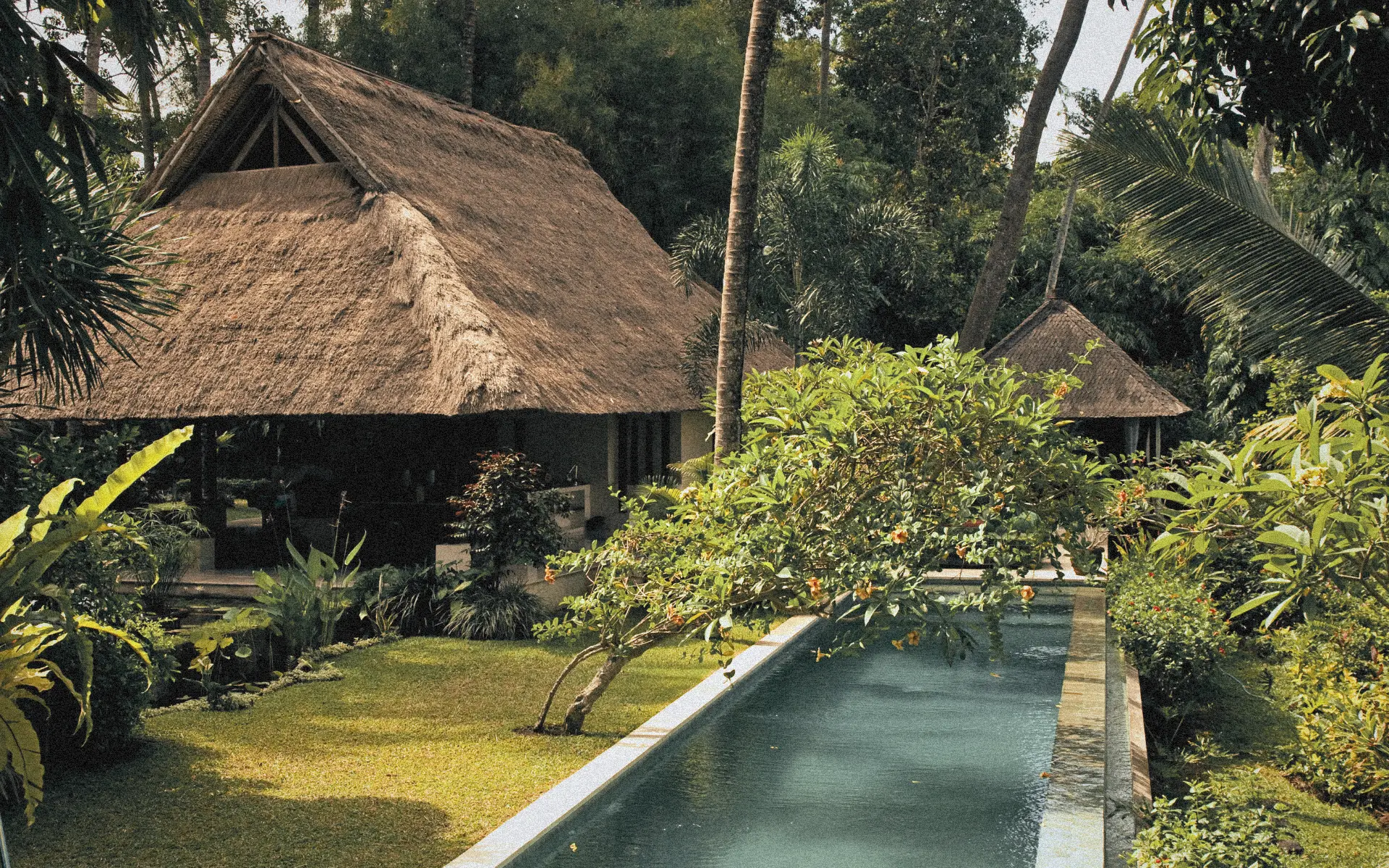
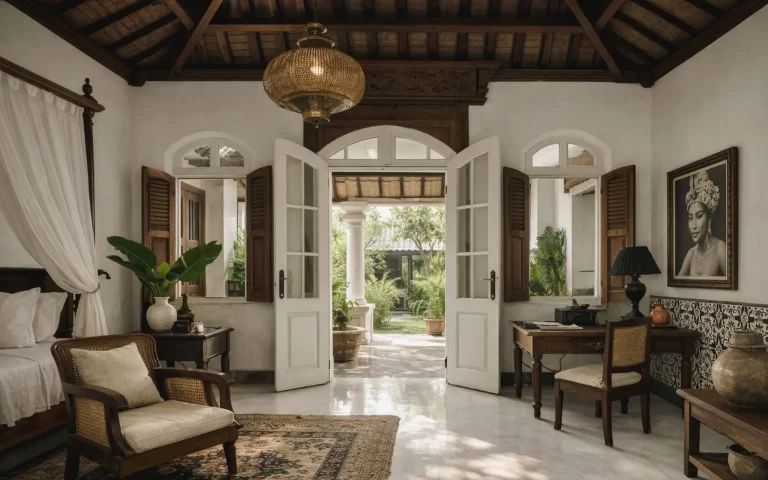
Traditional Balinese compounds, pavilions, and open structures were designed so air could circulate freely (The Bali Edit: Bali Design Now).
Modern villas sometimes forget this. Large glass walls, sealed rooms, and heavy materials interrupt the natural movement of air. The house becomes dependent on mechanical cooling instead of working with the climate.
When the electricity cuts out — something that still happens across parts of the island — the difference becomes obvious very quickly.
The Concrete Question
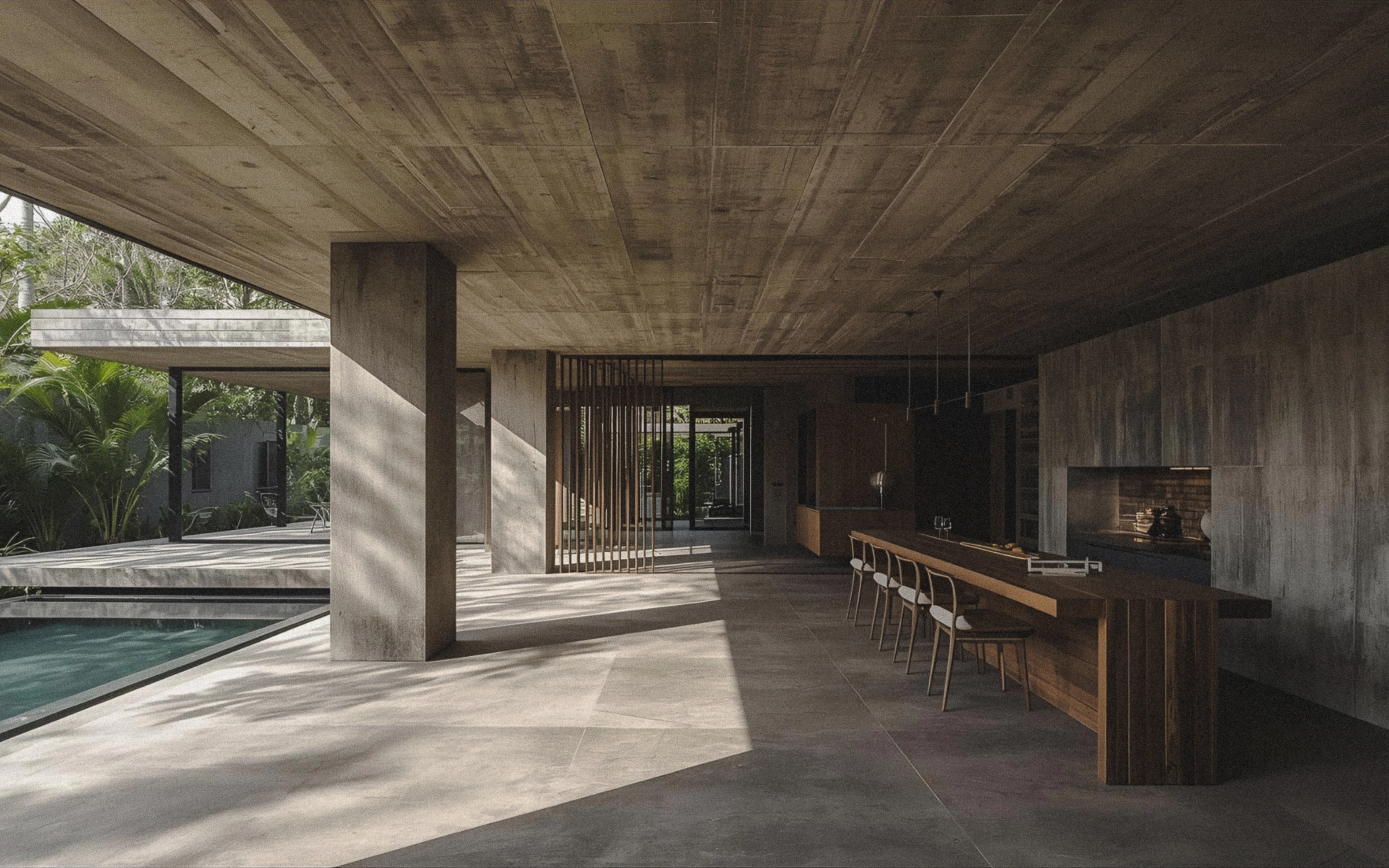
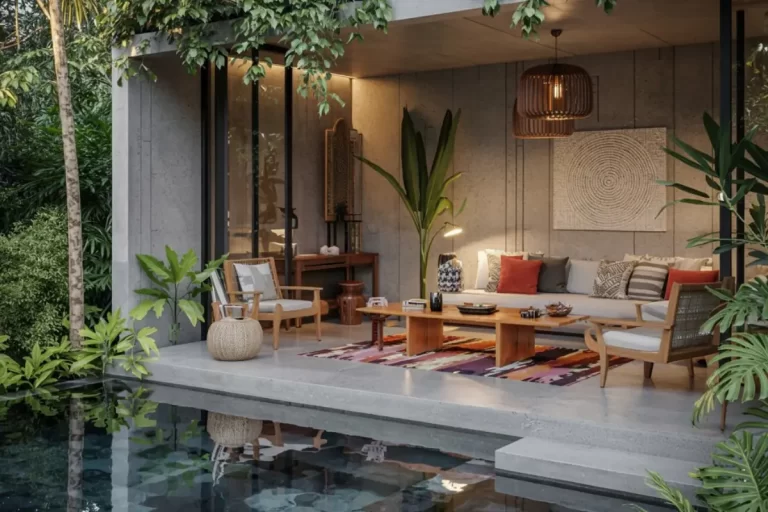
Concrete has become the aesthetic signature of many contemporary tropical villas. Used well, it can be powerful — especially in tropical brutalist architecture, where mass, shade, and landscape work together to create cool, sculptural spaces (Tropical Brutalism in Bali: Why It Works, Tropical Brutalism Revisited 2026).
But concrete also stores heat. Without careful shading, ventilation, and vegetation, exposed concrete can absorb solar energy all day and slowly release it back into the building through the evening.
The problem isn’t concrete itself. The problem is concrete used as an aesthetic gesture rather than a climate strategy.
The best tropical brutalist homes understand this. They combine deep overhangs, cross-ventilation, vegetation, and water to keep those raw materials comfortable in the heat (When Tropical Brutalism Ages Well).
The worst ones just look good in photographs.
Orientation: The Decision That Happens Too Late
One of the biggest tropical design mistakes happens before the house is even built: orientation.
In Bali, the western sun can be relentless. Large west-facing glass panels might create spectacular sunset views, but they also introduce hours of heat directly into the interior. Good tropical architecture manages this with:
When monsoon rain arrives, design shortcuts become obvious. Flat roofs without proper drainage begin to pool water. Minimal overhangs allow rain to run down walls and into windows.
Traditional architecture rarely made this mistake. Roofs were steep. Eaves were generous. Water had somewhere to go.
Modern houses sometimes forget that rain is not decorative here.