Disclaimer: We’re not lawyers, real estate agents, or investment advisors. We’re storytellers, creatives, and curious humans who’ve spent a lot of time living in and exploring Bali. What follows is a collection of insights, research, and real-world experiences—not legal or financial advice. Always consult a qualified legal or property professional before making any decisions. Agencies like Harcourts or Emerhub can help.
You’ve seen the drone shots. You’ve done the villa tours. And if you’ve ever dreamed of owning a sleek, sun-drenched villa in paradise, you’re not alone. But before you start envisioning sunset cocktails by your infinity pool, let’s get real—buying property in Bali as a foreigner isn’t exactly straightforward. There are legal loopholes, unexpected costs, and unfortunately, more than a few people ready to take advantage of buyers who don’t know the lay of the land.
This guide breaks down what we’ve seen people learn (often the hard way) about buying a villa in Bali—from overlooked costs to legal quirks to the common traps that can turn a dream into a mess.
Can Foreigners Buy Property in Bali?
Short answer: Not in the way you might expect.
Indonesia has strict rules that prevent foreigners from owning freehold land directly. That dreamy clifftop villa? If you’re not an Indonesian citizen, you can’t legally own the land it sits on. That said, there are still legal paths for foreign investors, including leasehold arrangements and company structures.
Is buying a leasehold villa in Bali worth it? The answer depends on your long-term goals—leasehold tends to be the most straightforward legal option, but it does come with limitations.
Common Ownership Structures
Freehold (Hak Milik) Full land ownership, but only available to Indonesian citizens.
Leasehold (Hak Sewa) You lease the land for a set period—usually 25 to 30 years—with potential extensions. This is the most popular and accessible option for foreigners.
Hak Pakai A limited-use title sometimes granted to foreigners under strict conditions. Not commonly used for investment properties.
PT PMA (Foreign-Owned Company) Some buyers form a PT PMA to acquire property legally through a company. This approach involves higher setup costs and more regulation, but it’s one of the only routes for foreign-controlled freehold-style use.
Whether or not a leasehold villa in Bali is “worth it” depends entirely on your goals—some people are happy with a 30-year stay; others want long-term investment or resale value. Always consult a local notary (PPAT) or property lawyer to avoid scams.
Common Pitfalls & Hidden Costs
1. The “Too Good to Be True” Deal
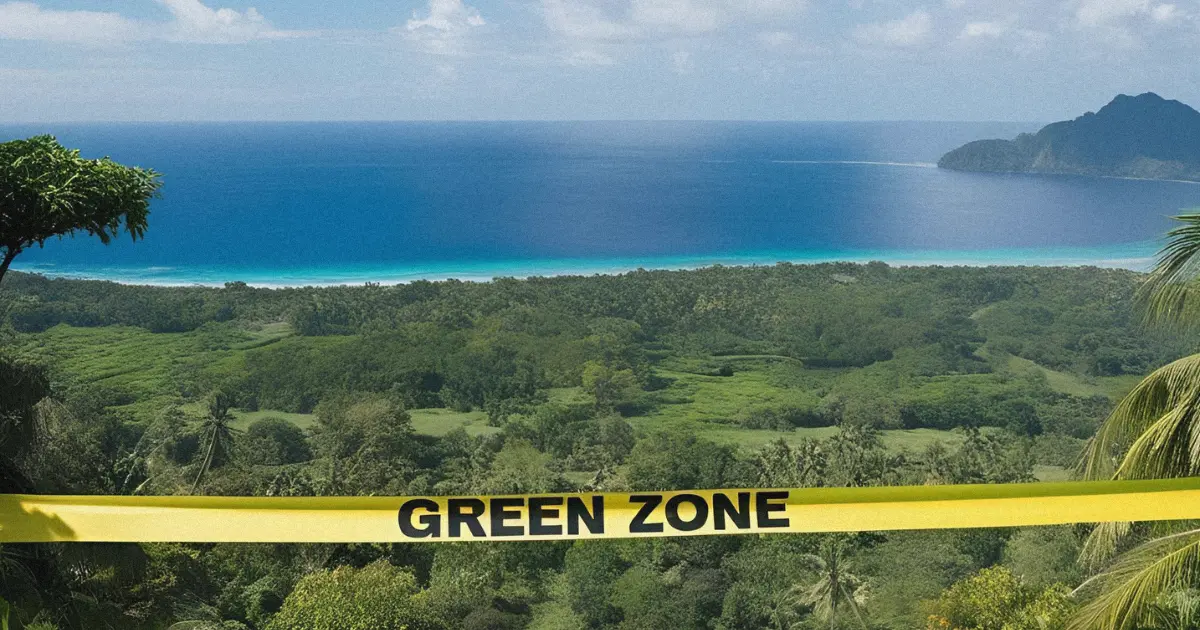
That jaw-dropping beachfront villa listed for a steal? There’s usually a catch. Many properties are built on agricultural or “green zone” land where building or renting is not legally permitted.
This is a super common misstep. We’ve seen deals that looked incredible fall apart once zoning laws came into play—or worse, properties that get built anyway and then run into trouble later.
2. Agent Shenanigans & Unclear Ownership
Bali’s property market isn’t as regulated as in the West. It’s common to deal with “agents” who aren’t licensed. Some properties are owned under nominee agreements (where an Indonesian citizen holds the title on your behalf), which can be legally risky and legally murky.
Pro tip: Work with a trusted notary and legal team—don’t just take the agent’s word for it.
3. Taxes & Unexpected Fees
On top of the property price, you’ll likely face legal fees, notary costs, and taxes on both purchase and rental income. Many buyers overlook these line items, only to be caught off guard later.
Pro tip: Always budget a buffer of 10–20% above the sale price for taxes, legal fees, and admin costs.
4. Renovation & Maintenance Costs Add Up
Salt air, termites, humidity, and monsoon rains are part of the Bali package—and they’ll wear down even a well-built villa. Renovations tend to take longer and cost more than expected, and regular upkeep is essential.
We’ve seen seemingly “finished” properties need a full refresh in under five years due to rot, mold, or poor drainage. Maintenance isn’t optional—it’s part of life here.
How to Buy Smart (Not Sorry)
Here are a few things we’ve heard through the grapevine that are good to keep top of mind:
Hire a trusted notary or lawyer—not just the agent’s “guy.”
Triple-check zoning and building permissions.
Avoid nominee structures if you can.
Get a watertight lease agreement (reviewed by your lawyer).
Budget for the real costs—purchase, taxes, furnishings, maintenance, etc.
If it feels shady, it probably is. Walk away.
Final Thoughts
Buying a villa in Bali is absolutely possible. Plenty of foreigners do it, and some even make a great return or find their dream home. But it’s not something to do casually, quickly, or without the right help. The stakes are high—and so are the rewards, if done well.
And remember, regulations change all the time here.For the most current information and personalized guidance, consult with legal professionals or trusted advisory firms like Emerhub.