
How to Choose Flooring in Bali (Without Regretting It Two Years Later)
By Des Res Bali
Editorial note: Des Res Bali does not accept paid placements or undisclosed partnerships. Products, materials and businesses mentioned are selected because they are relevant to the topic.
From polished concrete and terrazzo to reclaimed timber and natural stone, here’s what to consider before making one of the biggest material decisions in your home.
When people imagine building or renovating in Bali, they tend to picture soaring ceilings, tropical gardens and seamless indoor-outdoor living. Flooring rarely gets the same attention.
It should.
More than almost any other material, your floors shape how a home feels to live in. They’re what you walk on every morning, what your furniture rests on, what muddy feet, dripping swimmers, playful dogs and tropical downpours inevitably encounter.
And unlike a paint colour or a pendant light, changing your flooring later isn’t exactly a weekend project.
One of the most common questions people ask when renovating in Bali is, “What’s the best flooring?” The answer is rarely as simple as choosing the most beautiful material. Bali’s tropical climate asks different things of a home than cooler parts of the world. Humidity, heat, heavy rain and a predominantly barefoot lifestyle all influence which materials age gracefully—and which become high-maintenance headaches.
Rather than asking which flooring is objectively best, it’s often more useful to ask which material suits the way you actually live.
Start with your lifestyle, not the showroom
Beautiful samples can be surprisingly misleading.
A polished slab of stone under bright showroom lighting tells you very little about how it will feel after a wet afternoon by the pool or during the height of the rainy season.
Before falling in love with a finish, think about how your home will actually be used.
- Will people come inside straight from the pool?
- Do you have pets?
- Will furniture be moved regularly?
- Do you prefer a low-maintenance home, or are you happy to trade a little upkeep for character?
- Will the space flow directly onto a terrace or garden?
These questions usually lead to better decisions than simply following what’s fashionable.
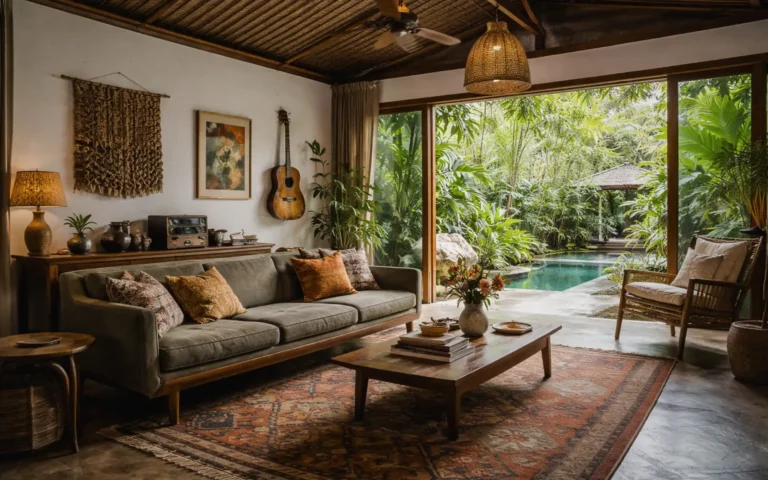
Few materials feel as naturally suited to Bali as polished concrete.
It complements tropical architecture beautifully, works across minimalist and brutalist interiors alike, and develops subtle character over time rather than looking tired.
It’s also relatively cool underfoot, making it particularly comfortable during Bali’s warmer months.
One of the biggest misconceptions about polished concrete is that it’s completely maintenance-free. While exceptionally durable, it still benefits from proper sealing and occasional resealing depending on how heavily it’s used. Hairline cracks can also develop naturally as buildings settle—something many architects see as part of the material’s character rather than a flaw.
Best suited to: Contemporary homes, tropical minimalism and seamless indoor-outdoor living.
Terrazzo: A Bali favourite for good reason
Terrazzo has become something of a signature material across Bali, appearing everywhere from boutique hotels to family homes.
Part of its appeal is its versatility. It can feel playful or understated depending on the aggregate, colour palette and finish, while offering excellent durability for everyday living.
Well-installed terrazzo is generally easy to clean and copes well with humidity, although lighter colours may benefit from occasional resealing to help prevent staining.
For many homeowners, it strikes one of the best balances between practicality and personality.
Best suited to: Kitchens, bathrooms and high-traffic living spaces.
Natural stone: Beautiful, but not all stone behaves the same
People often think of natural stone as a single material, but limestone, andesite, sandstone, travertine and river stone all perform quite differently in Bali’s tropical climate. Understanding those differences is often more important than choosing the most beautiful slab in the showroom.
Some stones remain comfortably cool underfoot. Others are more porous. Some develop a beautiful patina over time, while others require more regular sealing to maintain their appearance.
Texture matters too. Around swimming pools and outdoor entertaining areas, a honed or textured finish will generally provide better grip than a highly polished surface.
Choosing natural stone is often less about aesthetics alone and more about understanding how each material behaves over years of everyday living.
Best suited to: Homes that celebrate natural materials and graceful ageing.
Timber: Warm, tactile and worth choosing carefully
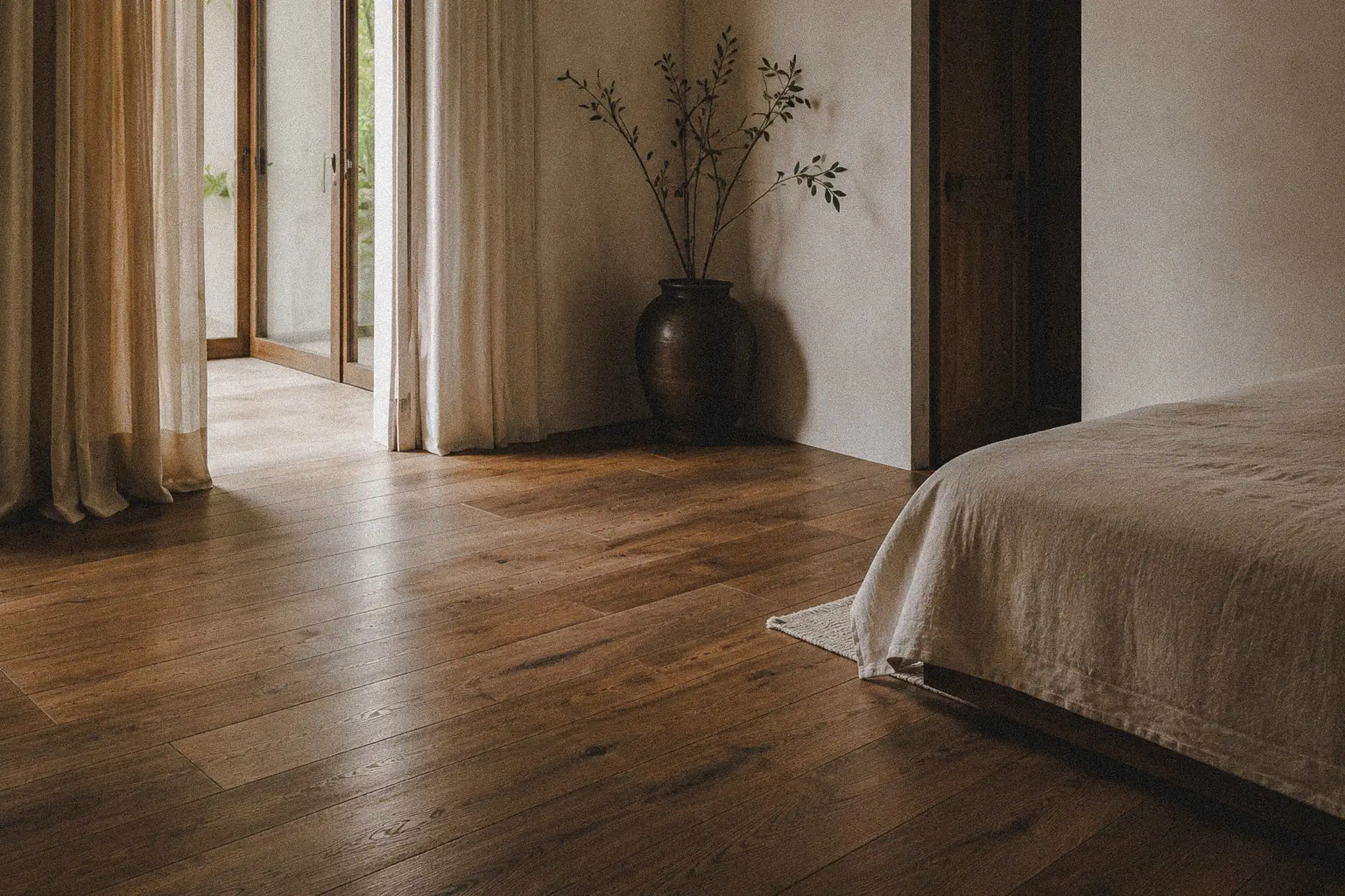
Nothing quite matches the warmth of real timber.
Used thoughtfully, it softens concrete, balances stone and introduces a sense of comfort that’s difficult to replicate with manufactured materials.
If you’re renovating a home in Bali, you’ll quickly discover that reclaimed hardwoods are especially prized—not only for their character, but because many have already proven their durability over decades of use.
Like any natural material, timber moves with changes in humidity. Proper installation, ventilation and ongoing maintenance all play an important role in how well it performs over time.
If you’re interested in reclaimed hardwoods, our recent conversation with Kaltimber explores why many architects prefer working with timber that already carries a story rather than trying to imitate age through new materials.
Best suited to: Bedrooms, living areas and homes where warmth is just as important as minimalism.
Cement tiles: Full of character
Cement tiles can introduce colour, pattern and personality without overwhelming a space.
They’re particularly effective in smaller areas—powder rooms, laundry spaces, kitchen splash zones or feature floors—where they become a design moment rather than competing with everything else.
Like many porous materials, they benefit from sealing and occasional maintenance, but for many homeowners that’s a worthwhile trade-off.
Best suited to: Feature areas and homes looking for handcrafted character.
Microcement: Seamless and understated
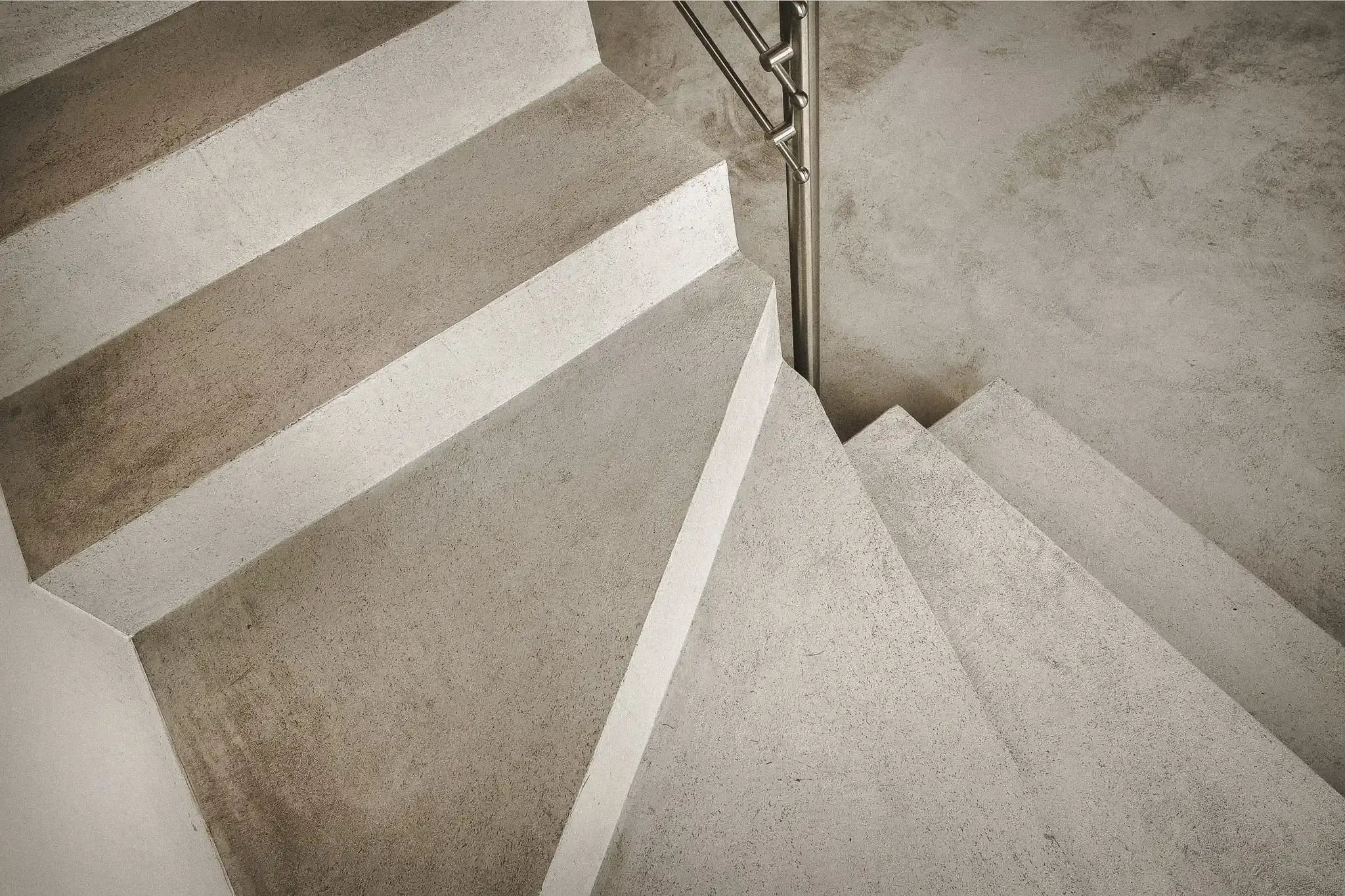
Microcement has become increasingly popular in contemporary Bali homes thanks to its seamless appearance.
Applied over existing substrates, it creates continuous surfaces with minimal grout lines and a softly textured finish that suits restrained interiors.
As with any specialist finish, installation quality matters enormously. A well-executed application can look exceptional, while poor preparation often leads to disappointment.
Best suited to: Minimalist homes and contemporary renovations.
Which flooring is best for Bali?
If you’re looking for a single answer, there probably isn’t one.
The best flooring for a Bali home depends on your priorities. Polished concrete and terrazzo remain popular for their durability and relatively cool surface underfoot. Natural stone brings texture and a strong sense of place, while reclaimed timber introduces warmth that many contemporary homes would otherwise lack.
Rather than asking which material is objectively “best,” it’s often more useful to think about how you want your home to feel five or ten years from now. The flooring that ages gracefully for your lifestyle is usually the right choice.
Think beyond individual rooms
Some of Bali’s most successful homes don’t simply choose beautiful materials—they use them consistently.
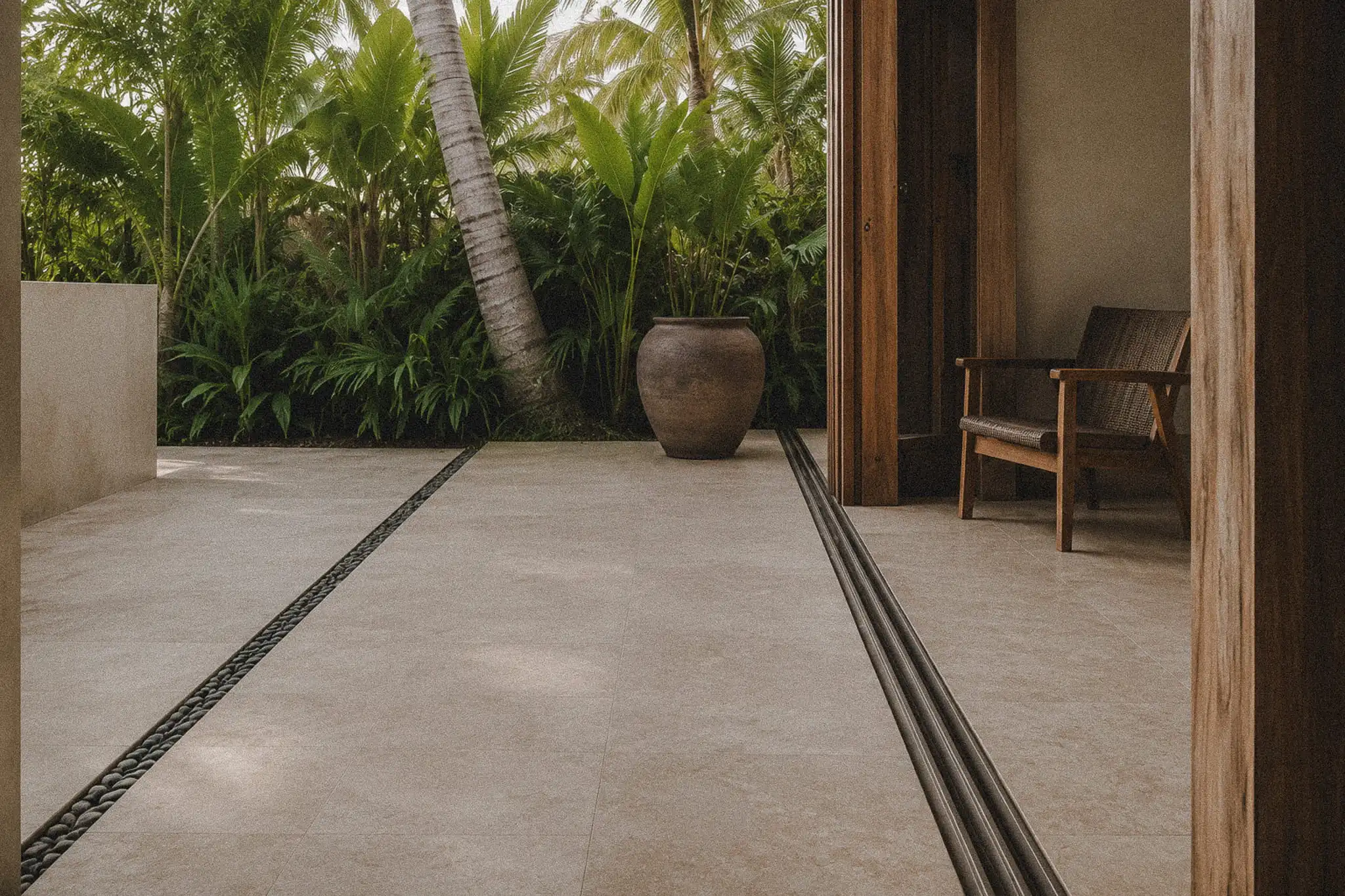
Running the same flooring from interior living spaces onto covered terraces can blur the boundary between inside and out, making relatively modest homes feel surprisingly expansive.
That doesn’t necessarily mean using one material everywhere.
It means thinking about how transitions feel beneath your feet just as much as how they look in photographs.
The maintenance nobody talks about
One question that’s rarely discussed during the design phase is what happens after you’ve moved in. The reality is that every flooring material changes over time, particularly in a tropical climate.
Leaves stain porous surfaces.
Pool chemicals leave residue.
Wet feet bring fine sand indoors.
Furniture gets dragged across living rooms.
Grout gradually discolours.
Humidity tests every finish eventually.
None of these should discourage you from choosing natural materials. In fact, they’re part of what gives many homes their lived-in character. But understanding them beforehand leads to much more realistic expectations—and often much better material choices.
The homes that age most gracefully aren’t necessarily those built with the most expensive materials. They’re the ones where materials were chosen with everyday living in mind.
Thoughtfully chosen always outlasts what's trending
Flooring trends come and go.
What feels timeless is usually something quieter: materials that suit the climate, improve with age and still feel right years after the excitement of a renovation has faded.
In Bali, that’s often less about chasing perfection and more about embracing materials that belong here.
The question isn’t simply, “What’s the best flooring?”
It’s “What’s the right flooring for the way we want to live?”
The answer will look different for every home.
But if your choices are guided by climate, comfort, longevity and the quiet pleasure of living with beautiful materials every day, you’re unlikely to regret them.
Because the best floor isn’t necessarily the one that looks the most beautiful on day one.
It’s the one you’ll still love walking across every morning, long after the renovation dust has settled.
Further reading:
Curious about reclaimed timber? Read our Perspectives conversation with Kaltimber to learn why many architects are choosing wood with history over newly milled alternatives.