Spend enough time in Bali and you start developing a fairly intimate relationship with shade. You cross the street for it. Park your motorbike under it. Choose one café table over another because of it. And when it’s done well, you barely notice what created it.
Buildings aren’t so different.
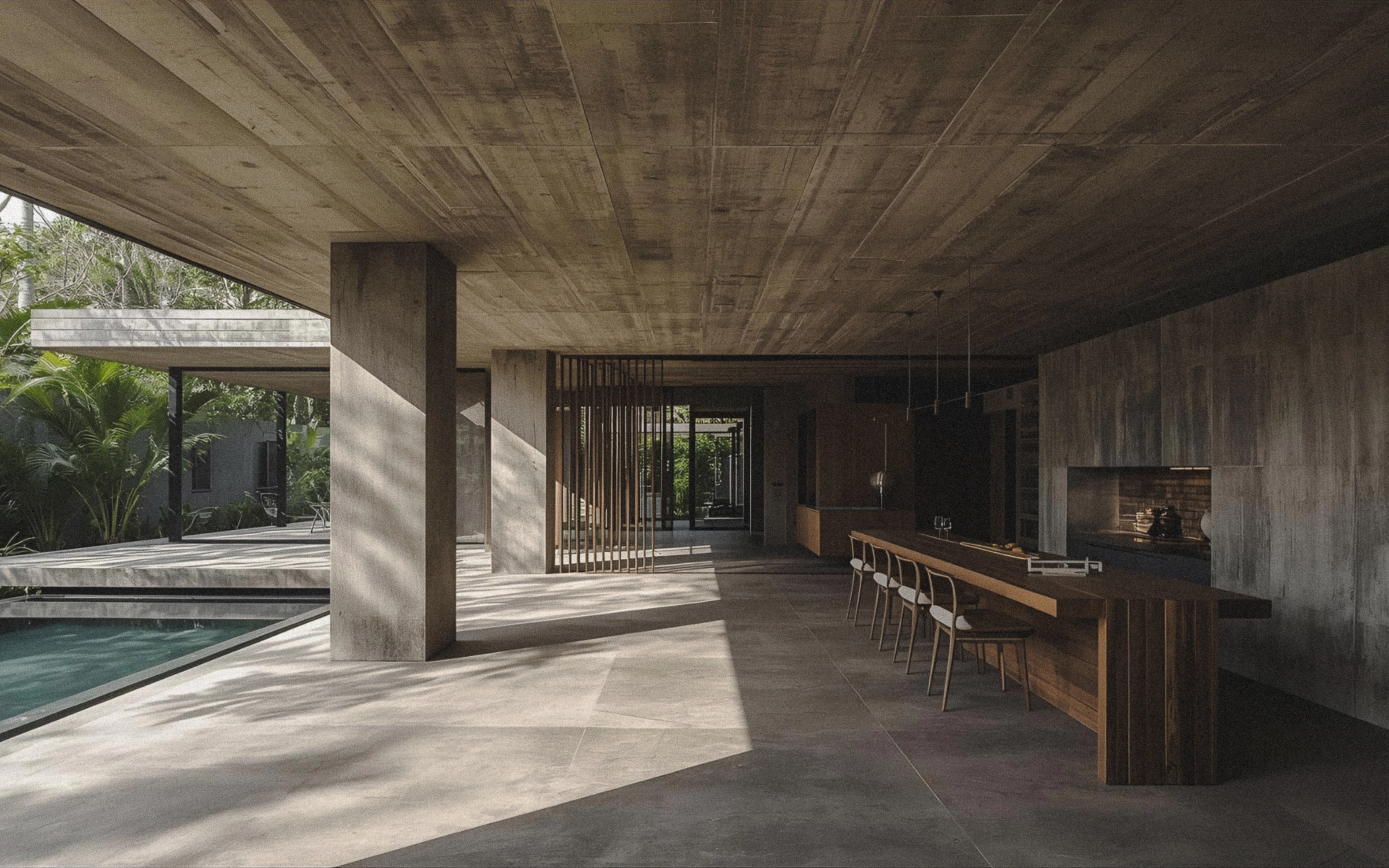
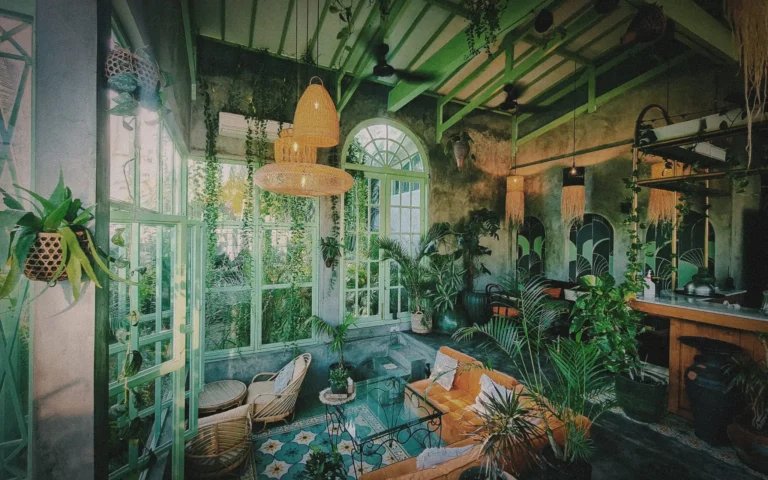
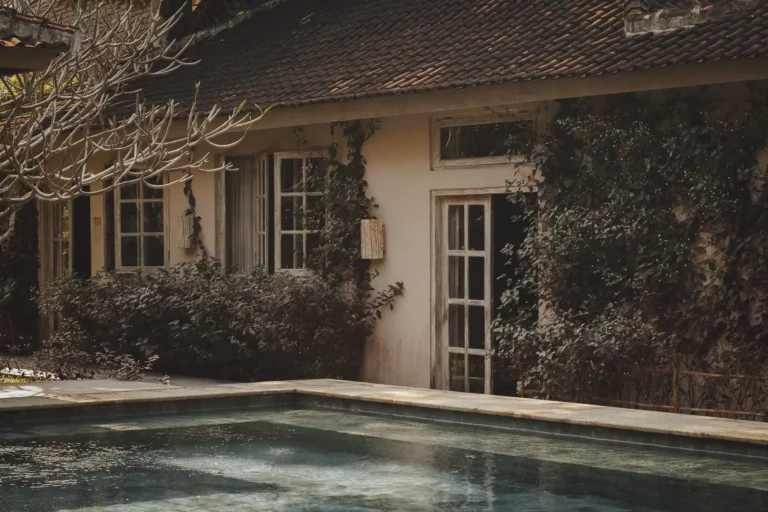
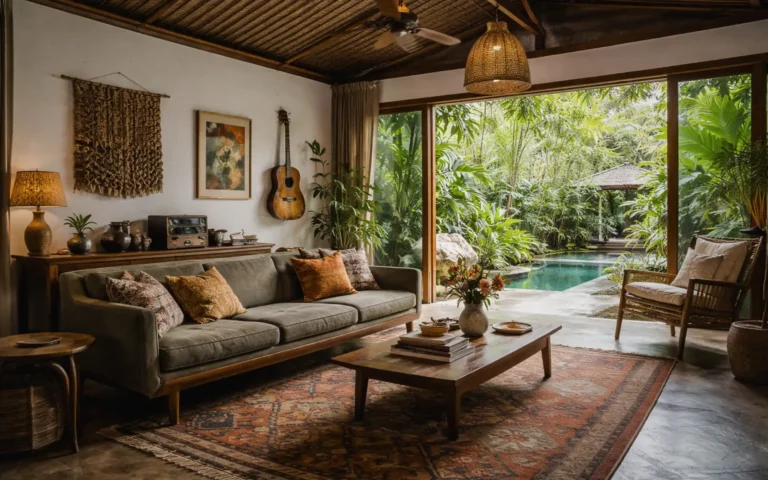
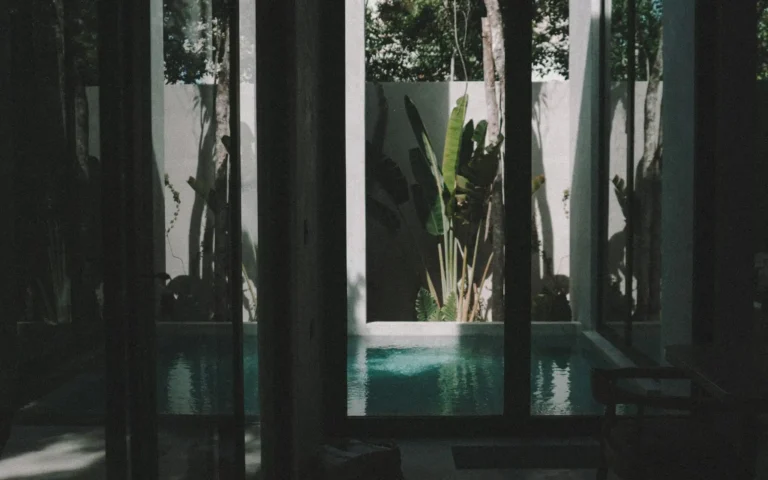
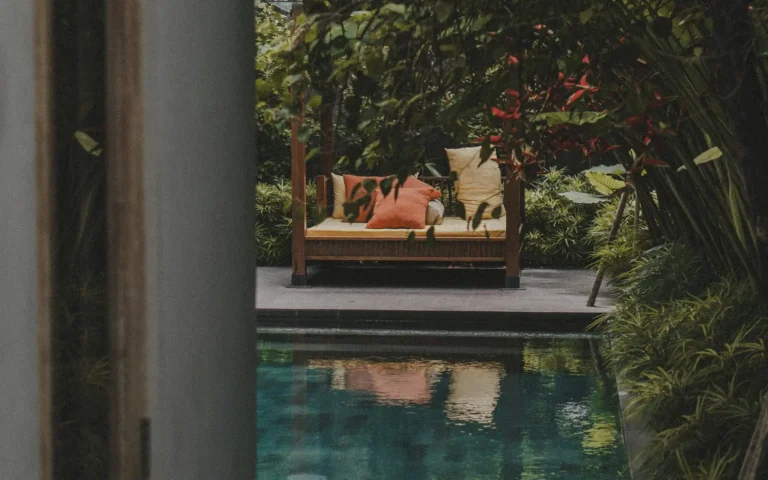
In tropical architecture, shade isn’t simply something added to keep the sun out. It can shape the architecture itself: deep roof overhangs, covered verandahs, screens and slatted walls, breezeways, courtyards, trees and planting. Even the position of one part of a building in relation to another can determine where the day feels comfortable.
It’s also part of what makes so much tropical architecture feel good.
A deep eave creates that slightly ambiguous territory between inside and outside. A screen filters harsh afternoon light into something softer. A covered terrace becomes somewhere you can actually sit at midday. Plants don’t just make a building prettier; they can help create cooler, more sheltered spaces around it.
None of this is particularly new.
Long before air conditioning made it possible to seal a building from its climate, architecture in hot parts of the world had to respond to heat, sun and rain as basic conditions of living. Buildings opened themselves to air while protecting the people inside from the intensity of the sun.
There are obviously far more sophisticated conversations to have about designing for heat—from orientation and ventilation to materials, energy use and building performance. And as temperatures rise, those conversations are only becoming more important.
But there’s something pleasingly elemental about starting with shade.
Because sometimes the smartest response to tropical heat isn’t another piece of technology.
It’s simply giving the sun somewhere else to land.