Bali Has Enough Buildings. Let’s Make More of the Ones We’ve Got.
By Des Res Bali
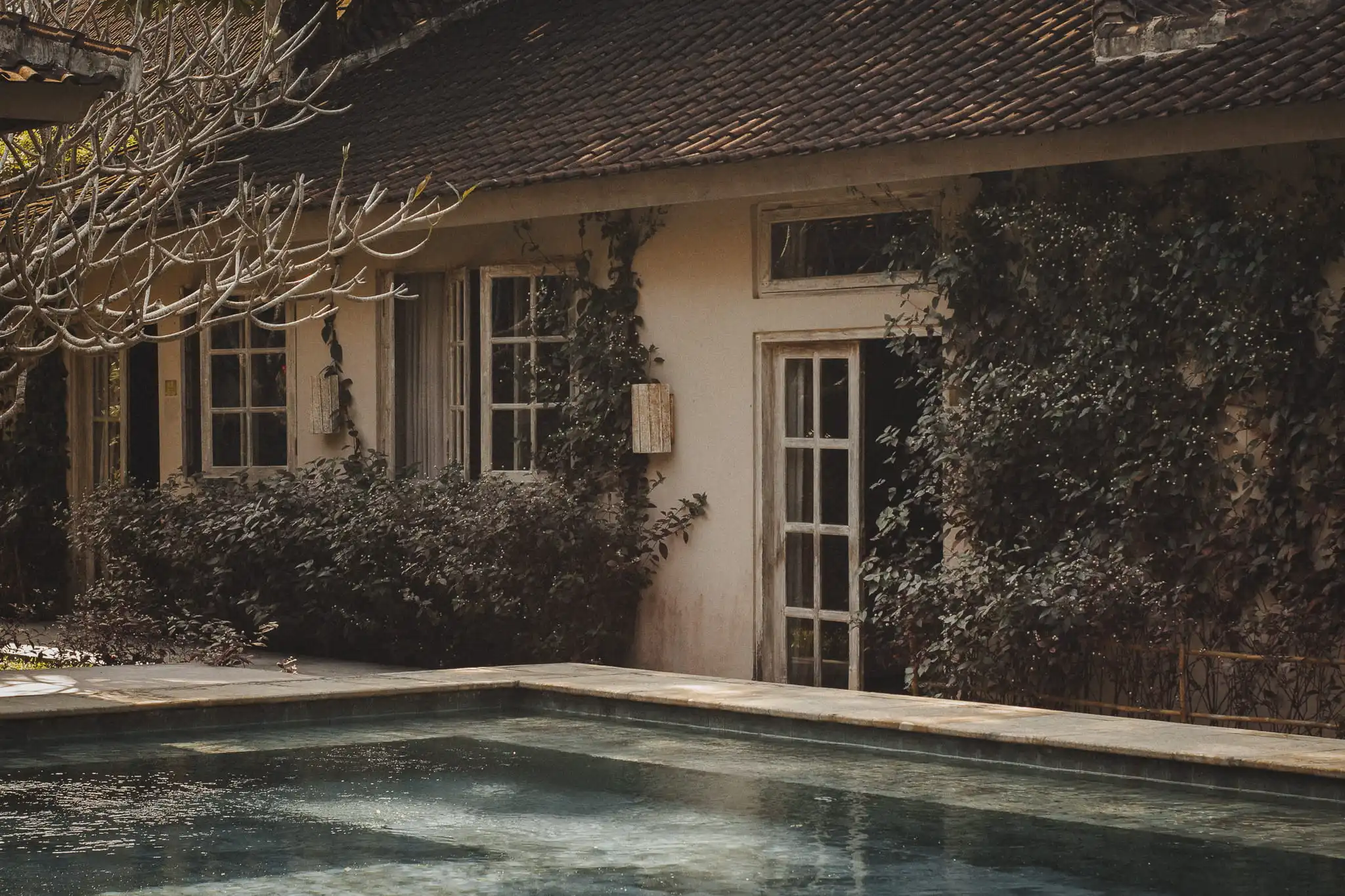
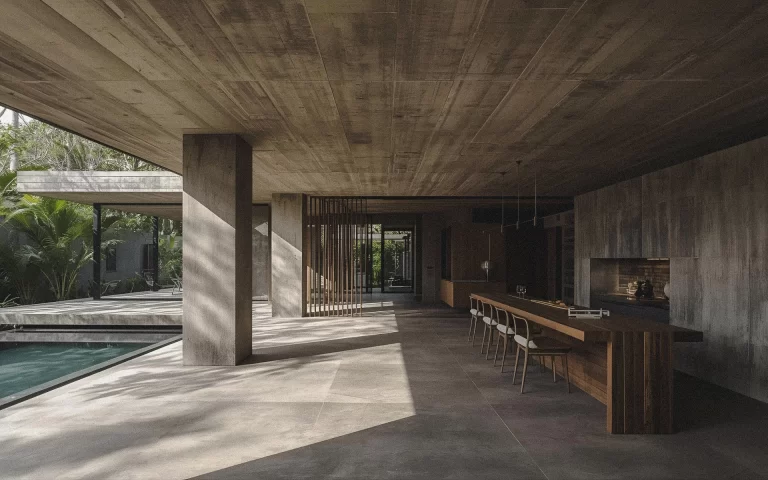
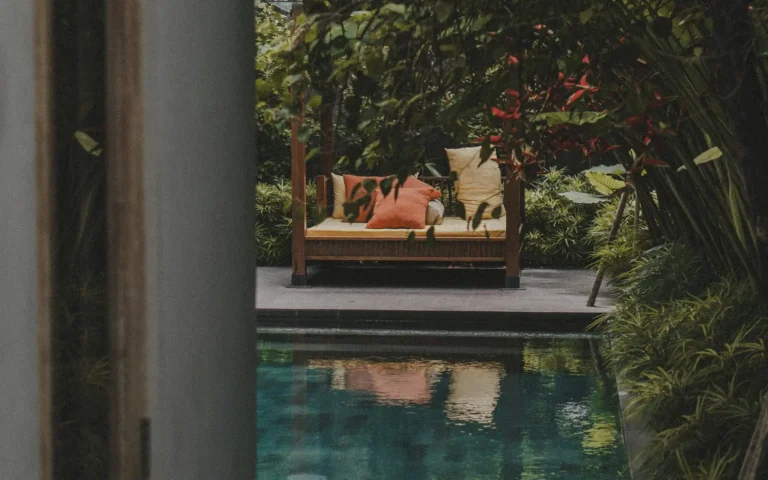
Sometimes the things worth keeping are already there | Photo by Ksu&Eli Studio via Pexels
This isn’t an argument against new architecture. It’s an argument for taking a much more imaginative look at what already exists.
Bali is hardly short of new buildings, and development hasn’t shown many signs of slowing. Villas, hotels, restaurants and residences continue to reshape the island at lightning speed. Some are thoughtful, beautiful additions to the landscape. Others make it difficult not to wonder what was there before.
But amid an increasingly loud conversation around development in Bali, there’s another possibility worth talking about: building without always starting from scratch. At JIA Curated last month, two conversations approached the idea from very different scales.
Balinese architect Popo Danes spoke about turning attention back towards places like Kuta, rather than continually looking to the island’s next relatively untouched pocket. Kuta has infrastructure. It has buildings. It has history. And underneath decades of development, it may also have considerably more potential than its current reputation suggests.
Designer Fiona Lynch made a similar point at the scale of the individual building. She questioned the impulse to demolish a beautiful building simply because it’s stood for 30 years. It’s a deceptively simple question, and one that should perhaps be considered before the island gets completely swallowed up by new builds.
Good bones are good design
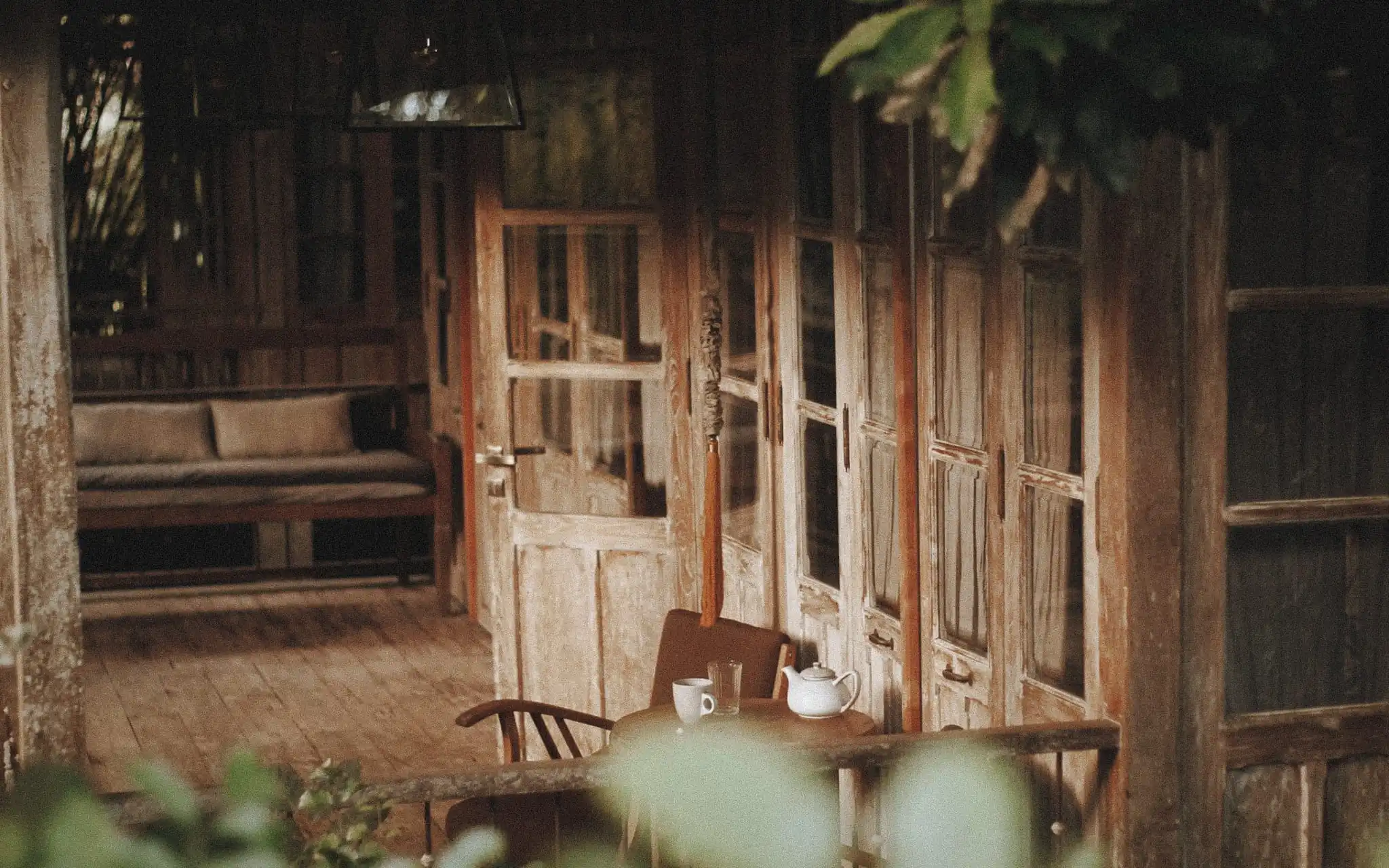
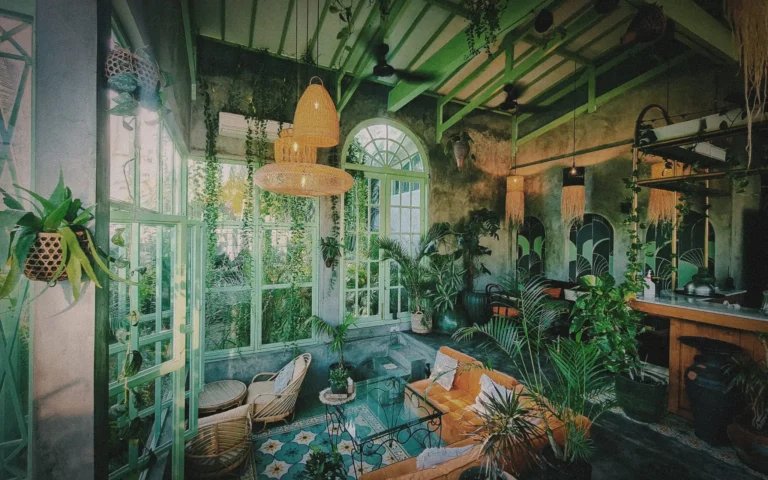
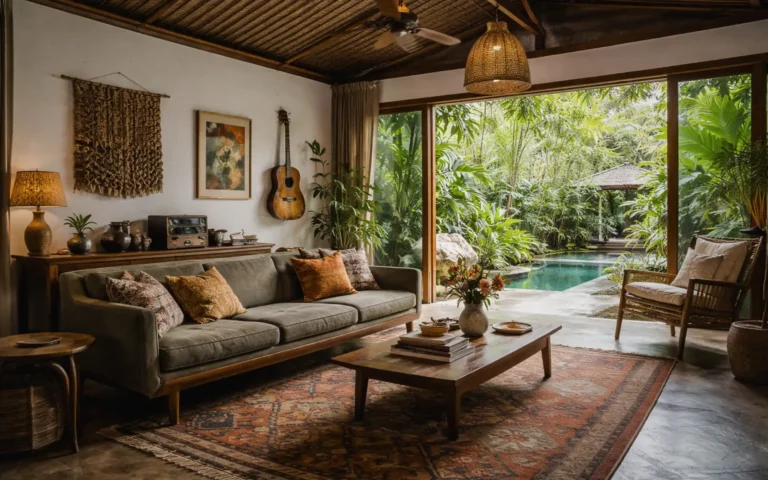
Patina, old timber & details that are difficult to recreate from scratch | Photo by Ksu&Eli Studio via Pexels
For all the love Bali’s newest architecture seems to get, older buildings can come with things that are surprisingly difficult to manufacture from scratch.
Mature trees. Established gardens. Deep eaves and shaded verandahs. Old timber, stone and tile. Courtyards that have spent decades settling into their surroundings. Generous proportions, odd little details and the kind of patina that architects and designers often work very hard to recreate in brand-new buildings.
They also come with constraints, and constraints can make for interesting design. Think of a restored convent in Portugal, with its thick masonry walls and deep window recesses, or an 1800s New York factory turned impossibly chic loft. We’re talking prime real estate, where the age, quirks and limitations are part of the appeal. We don’t see that thinking translated to Bali as often as we should. But why not? There’s architecture here from wildly different eras, some of it abandoned or overlooked, with character and stories that would be impossible to build from scratch.
A renovation asks different questions from a new build. What deserves to stay? What can be stripped away? What can be opened up, repurposed or made relevant again? How do you introduce something contemporary without erasing everything that gave a place character in the first place?
Not every old building is worth saving, of course. Some are poorly built. Some no longer work. Some have structural problems that make starting again the more sensible choice.
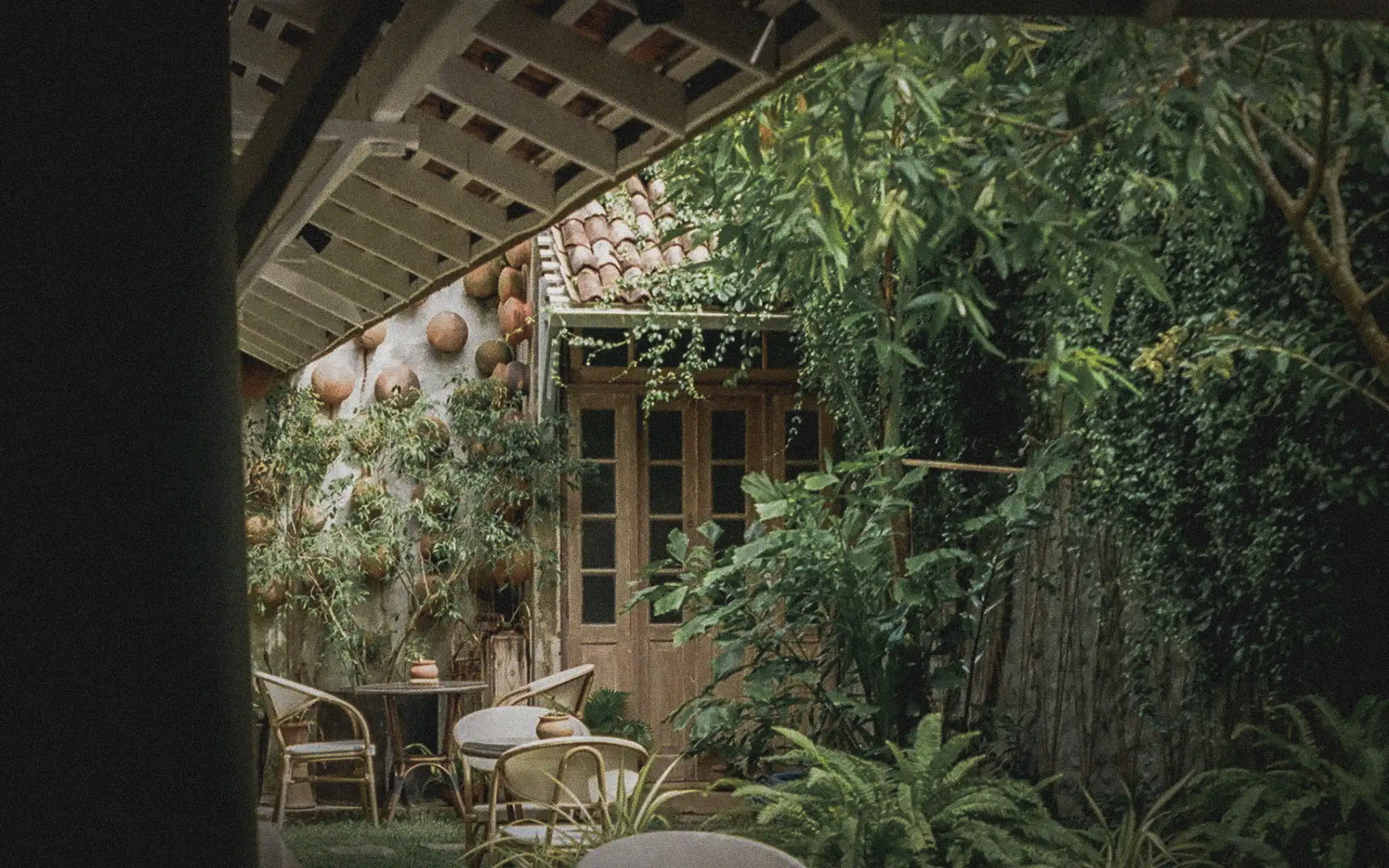
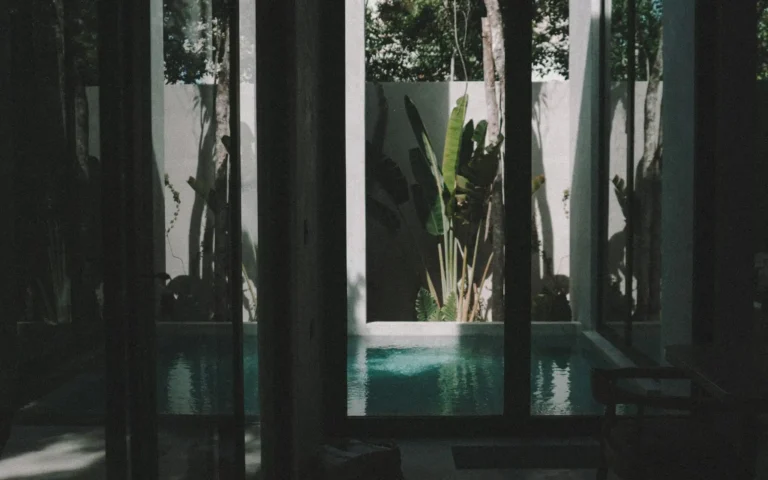
Older buildings often come with something new ones can’t: time | Photo by Kseniya Buray via Pexels.
This isn’t an argument that Bali should stop building. Some of the island’s most exciting architecture is new, and thoughtful contemporary design has an important place in Bali’s evolution. But new doesn’t necessarily have to mean new ground.
There’s an enormous built Bali already sitting in front of us: houses, hotels, shops and entire neighbourhoods that have fallen out of fashion while development pushes steadily towards somewhere else.
Maybe some of the island’s next interesting places are already here. They just need someone to look at them differently. Sometimes the most interesting thing you can build in Bali is something that’s already there.