The Longer You Live in Bali, the Less You Care About...
By Des Res Bali
Photo by Polina Kuzovkova
When you first get to Bali, it’s easy to be swept up by the obvious luxuries: infinity pools, statement bathtubs, chic linen, whitewashed teak furniture, rooftop terraces, and kitchens that look like they belong in Architectural Digest.
We get it. We still appreciate gorgeous design as much as the next person.
But after you’ve lived here for a while, something starts to shift. Your priorities change. Not dramatically, and not all at once. Just little by little, until one day you realise this is your home, not a photoshoot or a flex.
Here are a few things that often become a little less important:
Living in the "right" neighbourhood.
When you’re new, everyone has an opinion.
“You have to live in Canggu.”
“Nope, Uluwatu.”
“Actually, Ubud is vegan heaven with a side of sun salutations.”
A few years later, the conversation sounds a little different.
“How bad is the traffic getting home?”
“Can I get to the supermarket without turning it into an expedition?”
“Can I get to the airport without planning a military operation?”
“Have all the wellness coaches, life coaches, and digital nomads taken over my favourite local café and somehow turned it into a place where I need a mortgage to order breakfast?”
You start caring a little less about the postcode and a lot more about how your days actually feel.
Having the biggest pool.
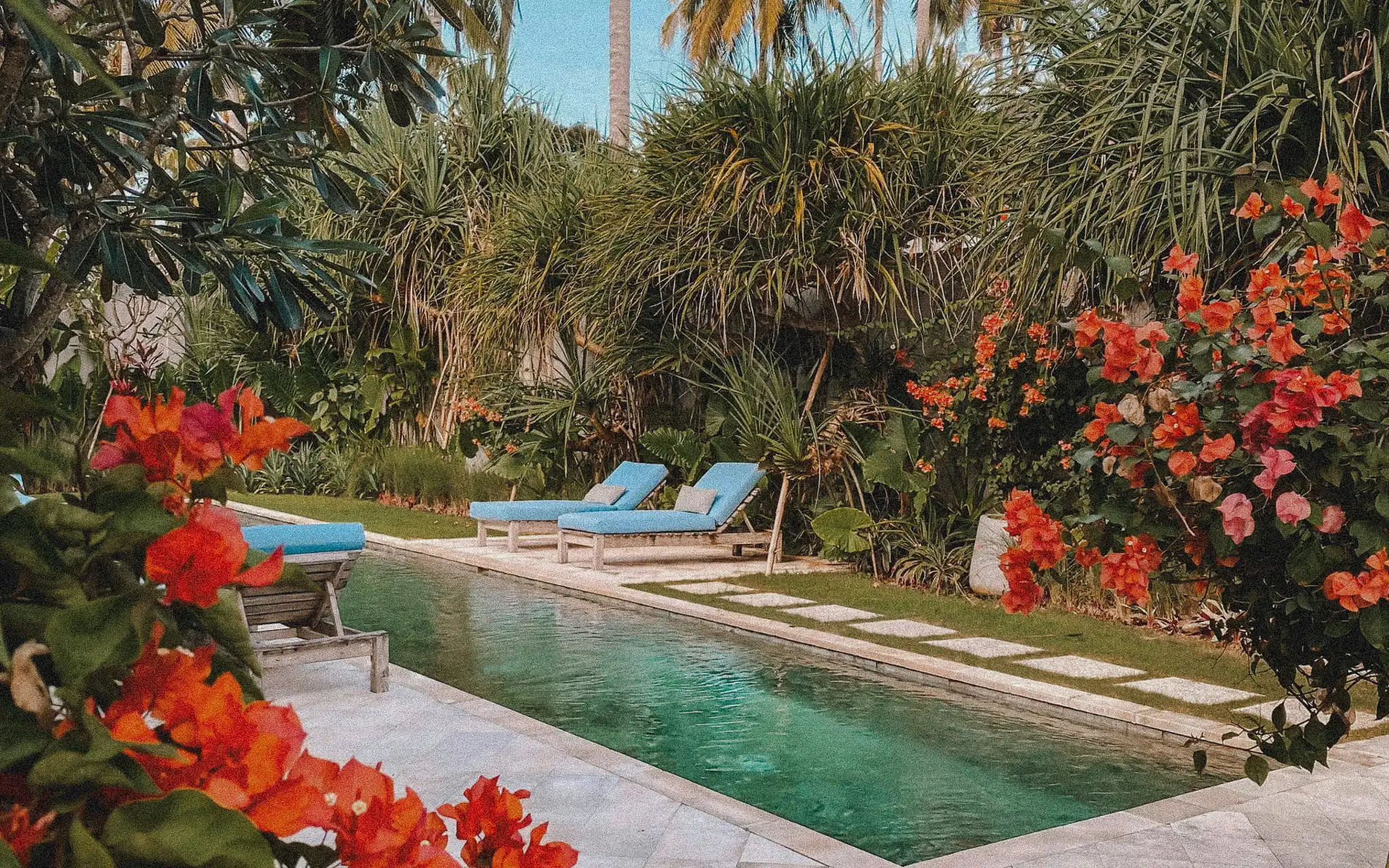
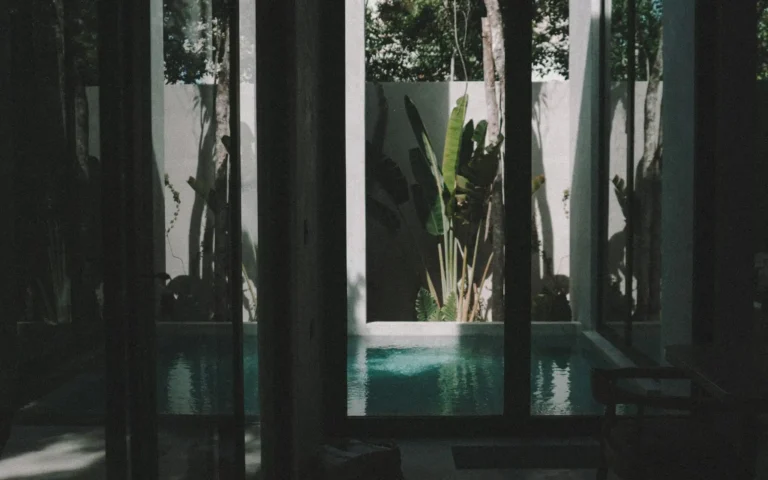
We love a big pool as much as anyone. There’s something undeniably luxurious about being able to properly swim, float around on a hot afternoon, or gather friends for a lazy Sunday.
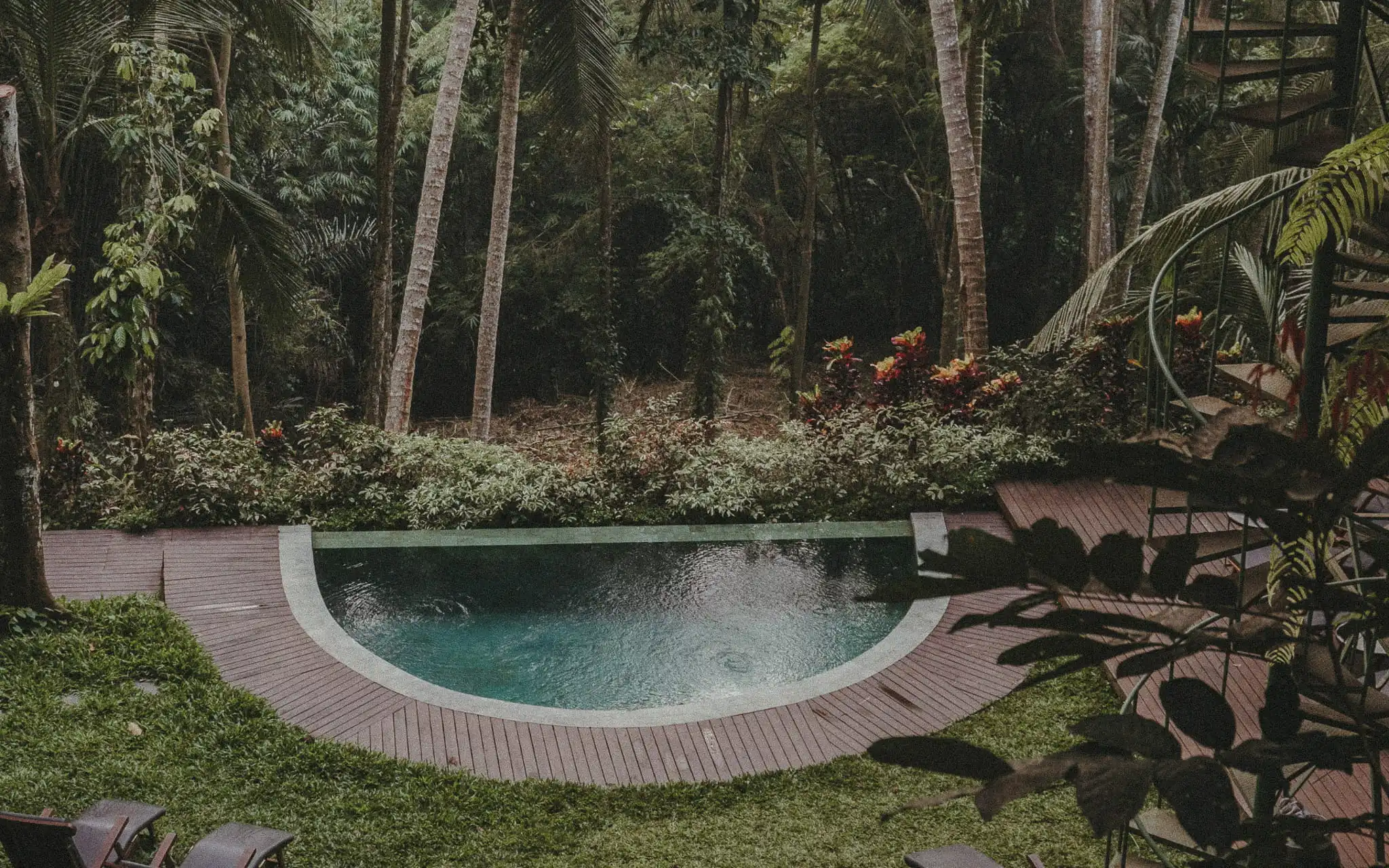
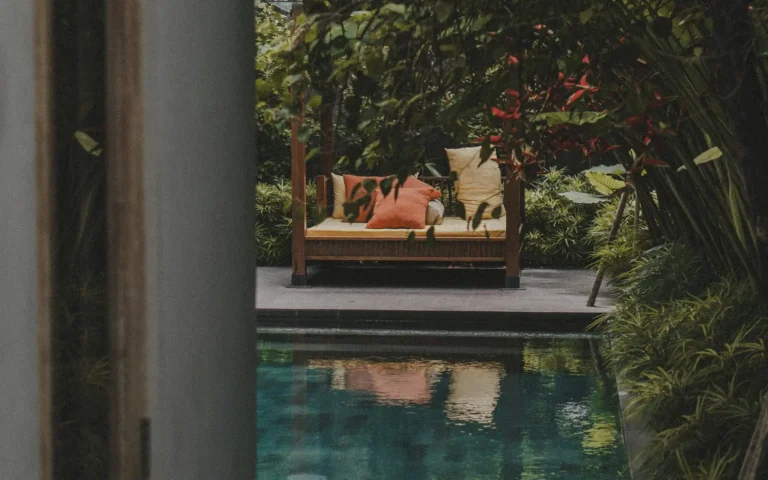
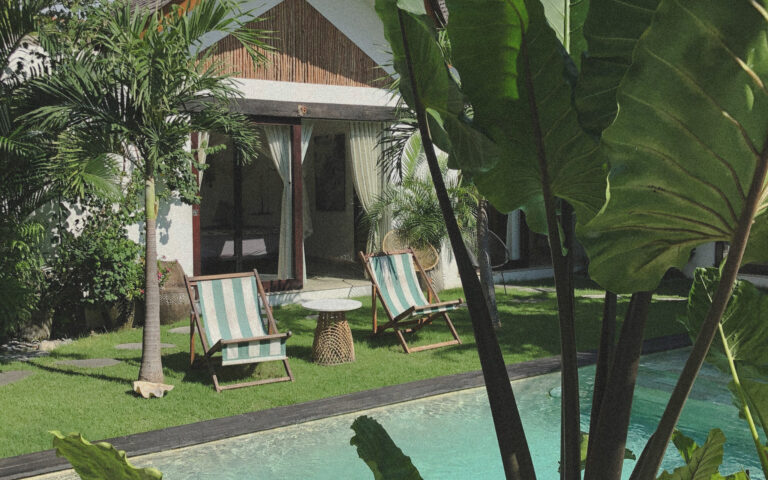
But after you’ve lived here for a while, you realise it isn’t the pool itself that makes a home special. It’s everything around it. The shade from mature trees, somewhere comfortable to sit with a coffee, birds overhead, and a garden that feels established rather than newly planted. Sometimes a slightly smaller pool leaves room for all of that.
Photo by Alexander Davies
Everything being brand new.
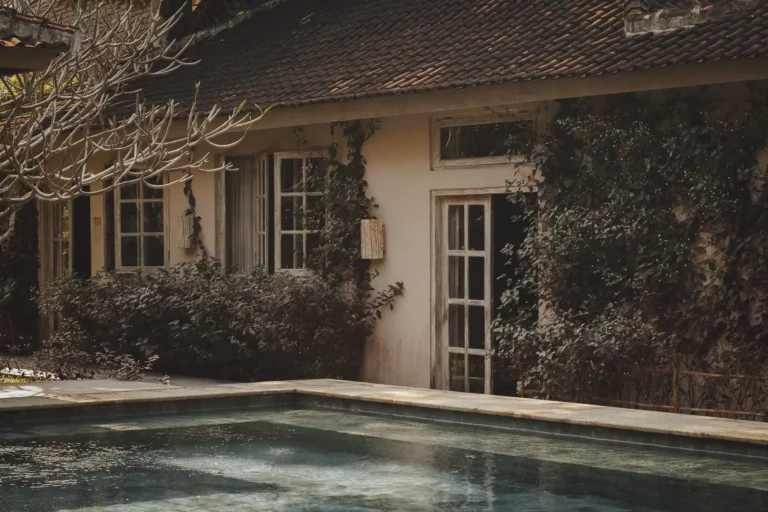
Slick finishes are lovely, but so is a house that’s settled into itself. Timber softens over time, stone develops character, and gardens stop looking landscaped and start feeling like they’ve always belonged there.
Not every older house is worth saving, but plenty have good bones. Sometimes all they need is someone willing to look past the dark tiles, dated kitchen or awkward layout and see the potential underneath.
The dramatic entrance.
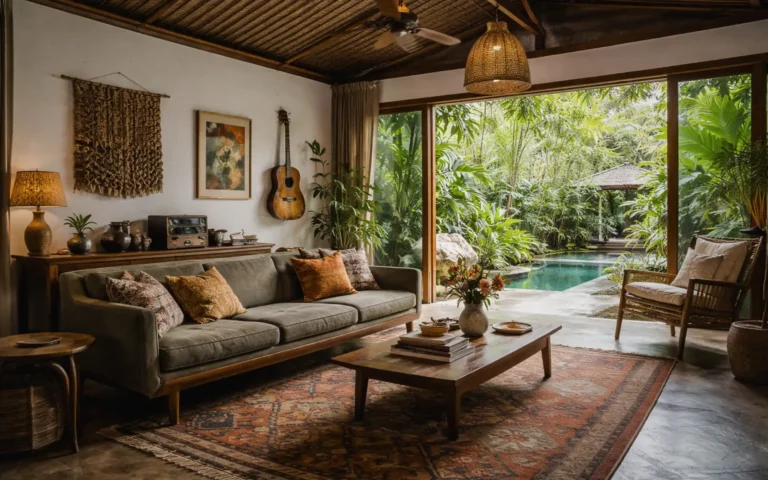
The grand entrance is impressive exactly once. The afternoon breeze through your living room, on the other hand, is something you’ll appreciate every single day. The longer you live here, the more you realise that the best parts of a house are often the ones you don’t notice during a five-minute inspection.
Whether it photographs well.
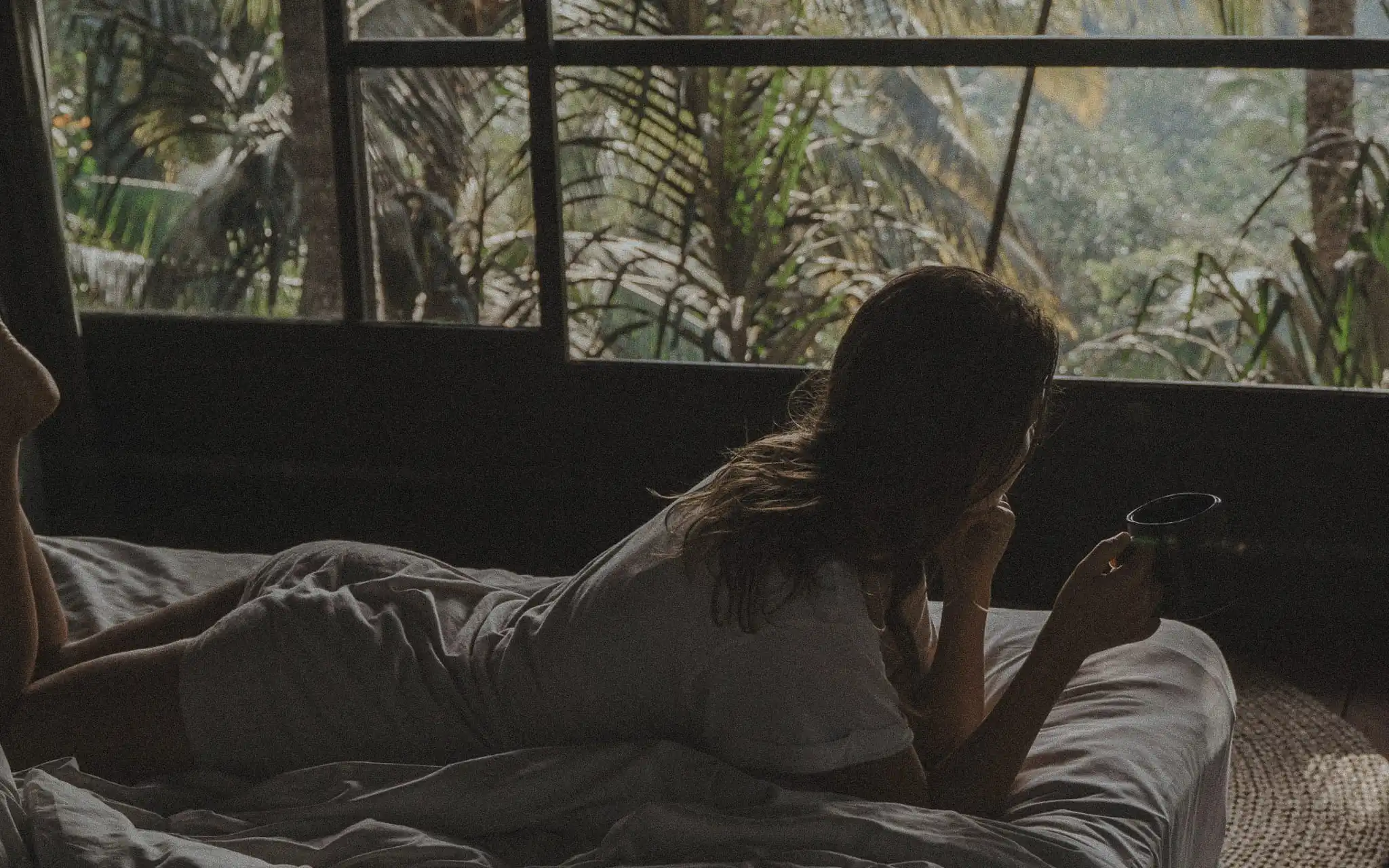
At first, it’s easy to fall in love with spaces that look incredible on Instagram. Eventually, you start paying attention to different things: where the morning light lands, which chair everyone naturally gravitates towards, whether you leave the doors open because the house catches the breeze, or if you instinctively head outside with your coffee before you’ve even checked your phone.
Some homes photograph beautifully. Others simply feel good to live in, and they’re not always the same thing.
Perfectly styled interiors.
White bouclé sofas. Immaculate coffee table books. Cushions that somehow never get rained on. They still look beautiful, but somewhere along the way comfort beats styling. You’d rather have one chair nobody wants to get out of than a living room that feels like it belongs to somebody else.
Air conditioning.
Let’s be honest—you’ll probably always care about air conditioning, especially if you live down south. But you also start appreciating the houses that don’t rely on it quite so much. Deep overhangs, mature trees, good cross ventilation, and plenty of shade make an enormous difference, especially during Bali’s hotter months. A house that works with the climate just feels better to live in.
Having every square metre built.
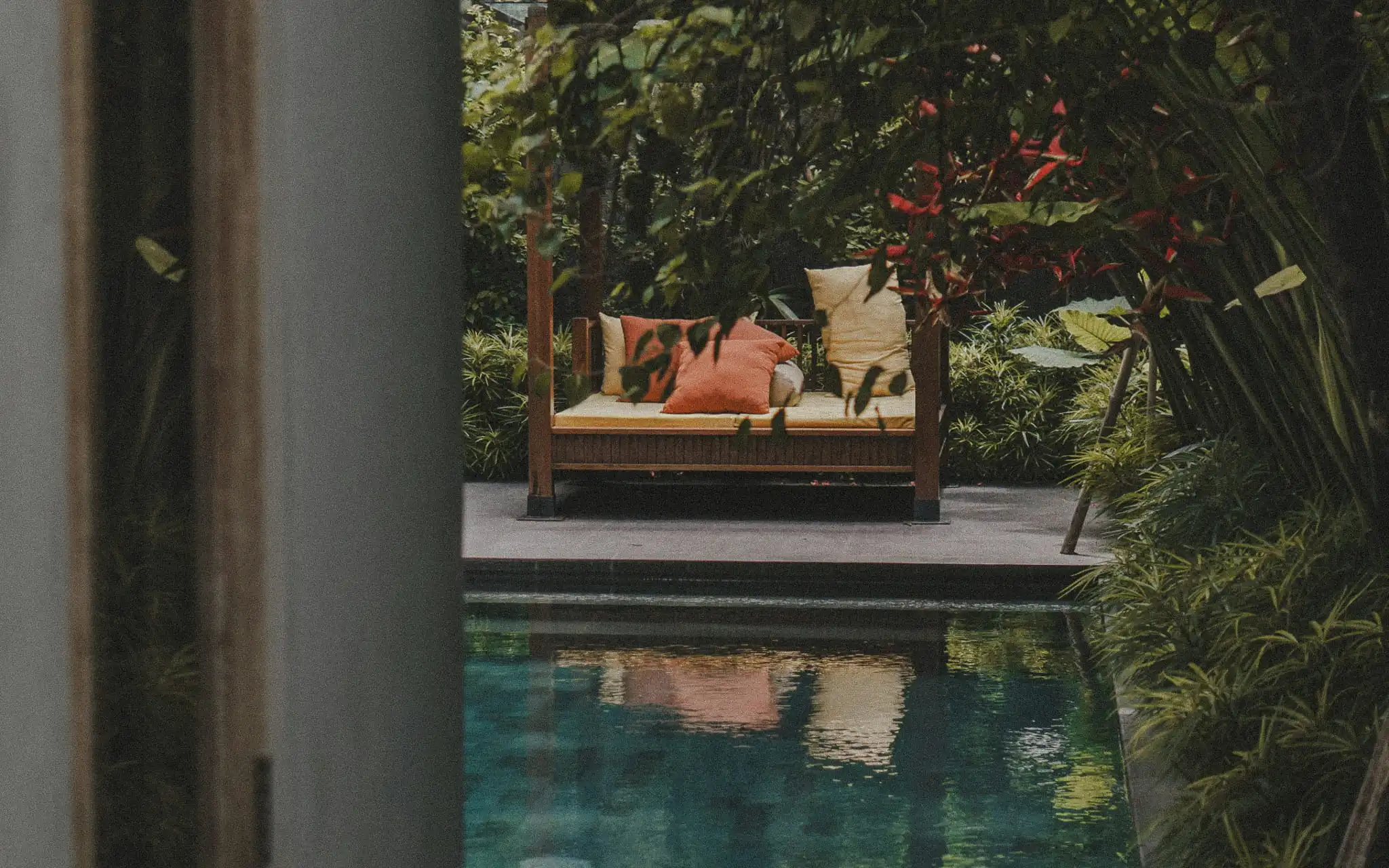
One of the nicest “rooms” in many Bali homes isn’t really a room at all. It’s the covered terrace, the little bench overlooking the garden, or the spot where you drink your morning coffee while the neighbourhood slowly wakes up. Living here has a way of reminding you that outdoor space isn’t separate from the house. It’s part of how the house is lived.
Impressing other people.
This might be the biggest shift of all. When you first arrive, it’s easy to compare villas, neighbourhoods, and views. After a while, you stop. You’d happily trade a bigger house for quieter mornings, a flashy postcode for an easier drive home or an infinity pool for a mature rain tree. Because what makes a home memorable isn’t always what makes it impressive. More often, it’s how it quietly supports everyday life.
Photo by Polina Kuzovkova
Which brings us to the other side of the equation: the things that quietly become more important over time.
YOU START CARING MORE ABOUT LAND THAN HOUSE.
This might sound backwards, especially when you’re new to Bali, but the longer you live here, the more you start appreciating the things you can’t easily change. Things like a bigger garden, room for mature trees, and a little breathing space between you and the neighbours.
Anyone can renovate a kitchen. It’s much harder to create privacy once the surrounding land has been developed. That’s one reason so many long-term residents eventually become less interested in squeezing the biggest possible villa onto a small plot, and more interested in finding somewhere with enough space to grow into.
Living in Bali also teaches you not to get too attached to the idea that any neighbourhood will stay exactly as it is. Roads change. Neighbourhoods evolve. New cafés open, old favourites disappear, and once-quiet corners don’t always stay that way. Having a little more space—and a little more flexibility—can sometimes prove more valuable than chasing the “perfect” location.
A different kind of luxury
The longer you live in Bali, the more luxury starts looking a little different. It’s less about having more space, more bedrooms, or more marble, and more about good airflow, shade in the afternoon, a garden that’s had years to grow, a kitchen you’ll actually cook in, and a house that feels calm at the end of the day.
Maybe that’s one of the nicest things about living here. You stop looking for the most impressive house and start looking for the one that quietly makes everyday life better.
Because somewhere along the way, Bali stops feeling like the place you escaped to, and starts feeling like home.
Photo by Polina Kuzovkova
Frequently Asked Questions
What matters most when choosing a home in Bali for long-term living?
Once you’ve lived in Bali for a while, you tend to stop obsessing over the flashy stuff and start paying attention to how a house actually feels to live in. Good airflow, mature gardens, privacy, manageable traffic, and a neighbourhood that suits your everyday life usually end up mattering a lot more than statement bathtubs or the biggest infinity pool.
Are older homes in Bali worth renovating?
Sometimes they’re the best ones. Not every older home is worth saving, but plenty have great bones, established gardens, and a sense of character that’s hard to recreate. If you’re willing to look past a dated kitchen or some tired finishes, you can often end up with something really special.
Does neighbourhood matter when buying a home in Bali?
Absolutely—but maybe not in the way you think. Most people arrive with a list of “cool” neighbourhoods, but after a few years you’re more likely to care about traffic, convenience, good local cafés, and whether the area still feels like somewhere you enjoy coming home to.
Why do mature gardens matter in Bali?
Because they change everything. Big established trees provide shade, help keep a house cooler, create privacy, attract birds, and make outdoor spaces far more enjoyable. You can renovate a kitchen in a few months. You can’t fast-forward a garden by twenty years.
Is a larger Plot of land better than a larger house?
For a lot of long-term residents, yes. Extra land gives you room for gardens, mature trees, and a bit of breathing space between you and the neighbours. As Bali continues to change and develop, those things often become far more valuable than squeezing the biggest possible house onto a small plot.