Why Some Bali Spaces Photograph Better Than They Feel
By Des Res Bali
Bali has no shortage of beautiful spaces.
Scroll through Instagram, browse a few villa websites, or spend an evening down a design rabbit hole and you’ll find polished concrete, sunlit pools, dramatic views, and carefully styled interiors in abundance.
Yet every now and then, a place that looks remarkable in photographs feels surprisingly flat in person.
Not bad. Just different.
The photos promise one thing. The experience delivers another.
The qualities that make a space photograph well aren’t always the same qualities that make it enjoyable to inhabit.
A camera captures a moment.
Living in a space is something else entirely.
Beyond the First Impression
Photography excels at highlighting visual impact.
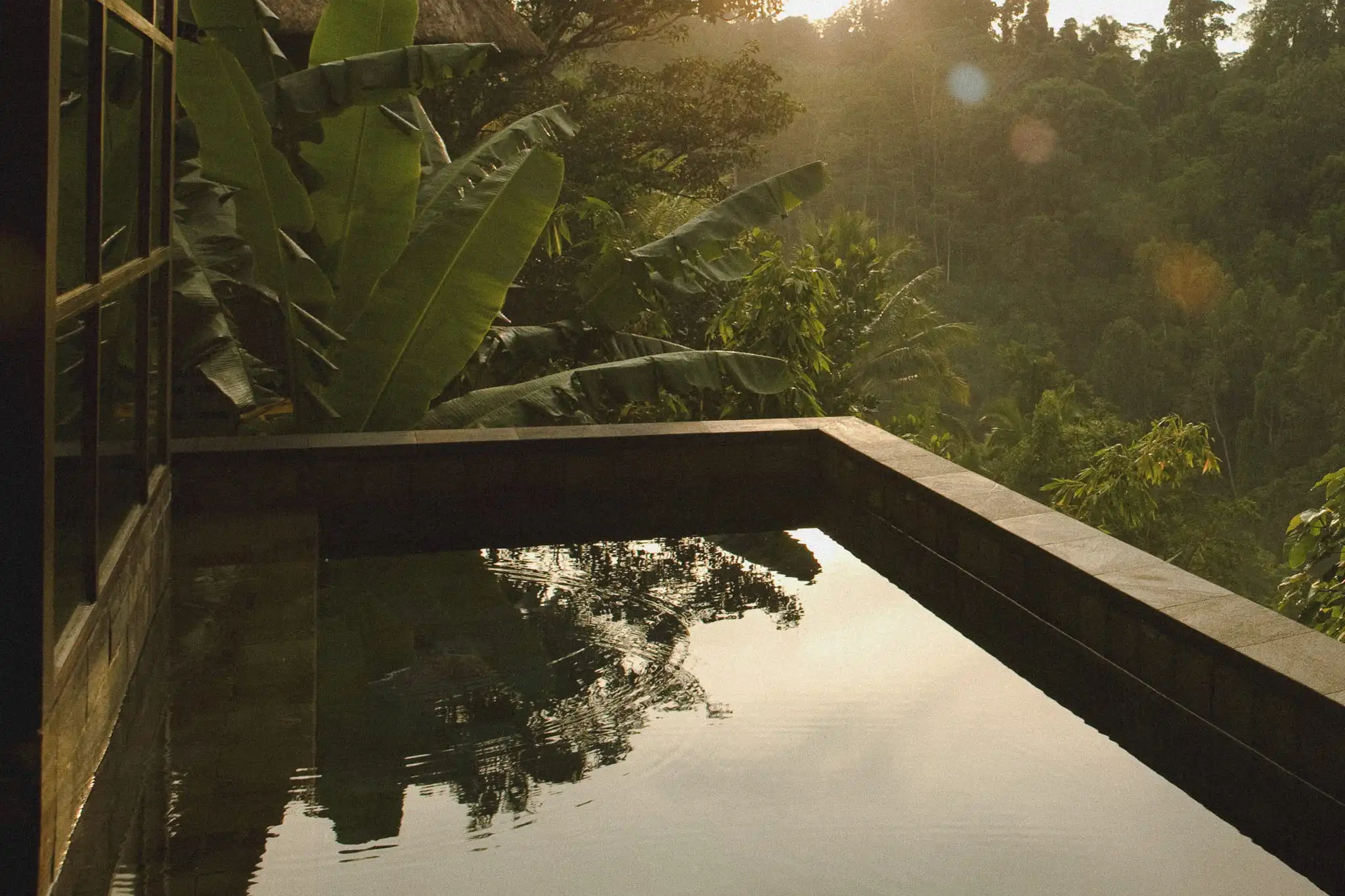
A striking facade. A perfectly framed pool. Morning light falling across a textured wall.
What it can’t communicate quite so easily is how a space functions over the course of a day.
How it feels at midday.
Whether there’s somewhere comfortable to sit with a book.
Whether a garden provides shade when it’s needed most.
Or whether the spaces people naturally gravitate towards are the same ones that looked so impressive in the photographs.
The longer time spent in a place, the more these details begin to matter.
Shade Is Underrated
One of the most overlooked luxuries in Bali isn’t a larger pool or a bigger bedroom.
It’s shade.
Mature trees. Covered terraces. Deep overhangs. Places that remain comfortable long after the morning light has disappeared.
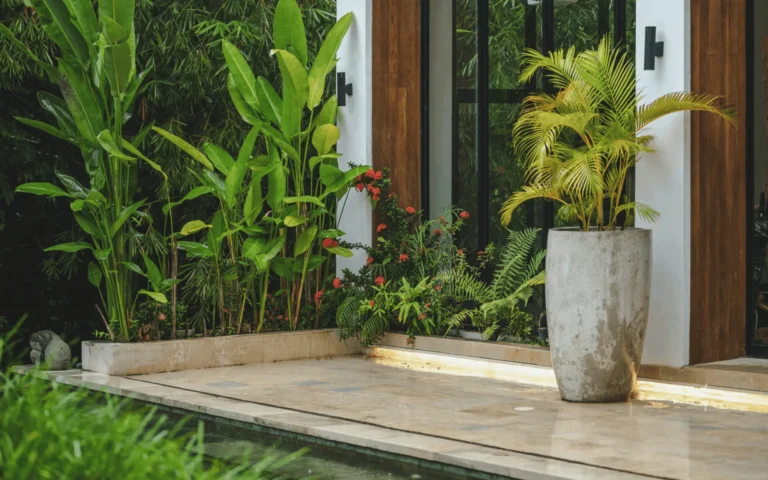
Many of Bali’s most memorable spaces understand this instinctively. Architecture and landscape work together to create shelter from the tropical climate rather than simply frame it.
A courtyard may look beautiful in a photograph. Whether it remains enjoyable at two o’clock in the afternoon is another question entirely.
A Space Has To Work In The Afternoon
The most successful tropical architecture often feels effortless.
Air moves naturally through rooms. Outdoor spaces remain usable throughout the day. Doors and windows seem to be positioned exactly where they need to be.
None of these qualities are particularly glamorous.
They’re also difficult to capture in a single image.
Yet they’re often the difference between a space that merely looks good and one that feels good.
Comfort rarely announces itself. It simply makes people want to stay a little longer.
Comfort Doesn't Always Photograph Well
Design photography tends to celebrate visual clarity.
Life is rarely so tidy.
A shaded reading corner may be more valuable than a sculptural chair. A well-positioned bench may see more use than a dramatic outdoor lounge. A modest terrace overlooking a garden may become the most popular spot in an entire property.
These details don’t always make the hero image.
They do, however, shape the experience of inhabiting a space.
The places that work best are often the ones designed around everyday use rather than visual impact alone.
The Role Of Time
New spaces generally photograph well.
The more interesting question is how they age.
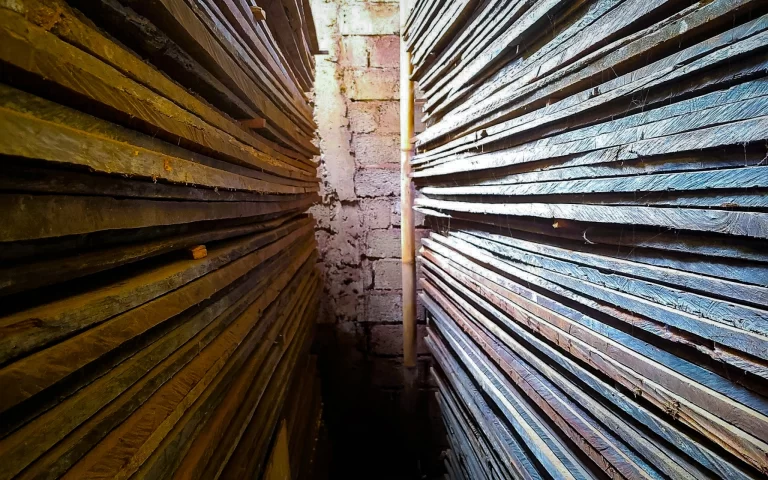
Some properties settle comfortably into their surroundings. Timber softens. Gardens mature. Stone develops character. Materials weather in ways that feel natural rather than neglected.
Others begin to feel dated surprisingly quickly.
It’s one of the reasons natural materials continue to resonate. They tend to accommodate time rather than resist it.
A space doesn’t need to remain pristine to remain compelling.
In many cases, the opposite is true.
The Spaces That Stay With Us
The places that linger in memory are rarely the most dramatic.
They’re often the ones where architecture and landscape feel inseparable.
Where the breeze finds its way through a room without assistance.
Where outdoor spaces are genuinely used rather than simply admired.
Where materials feel honest.
Where nothing is trying too hard.
Beautiful photography can spark interest.
But the spaces that leave a lasting impression usually offer something more than a good photograph.